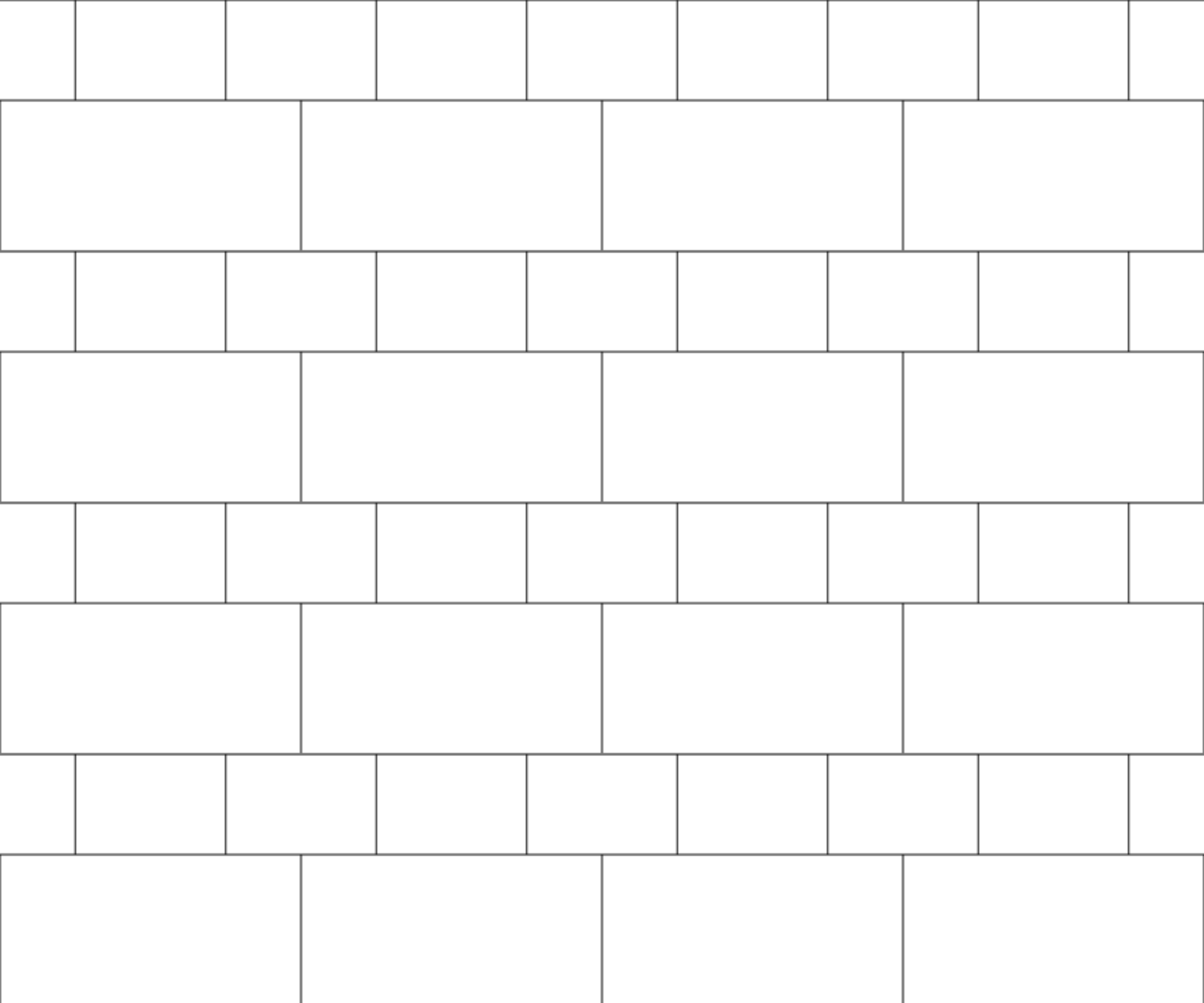
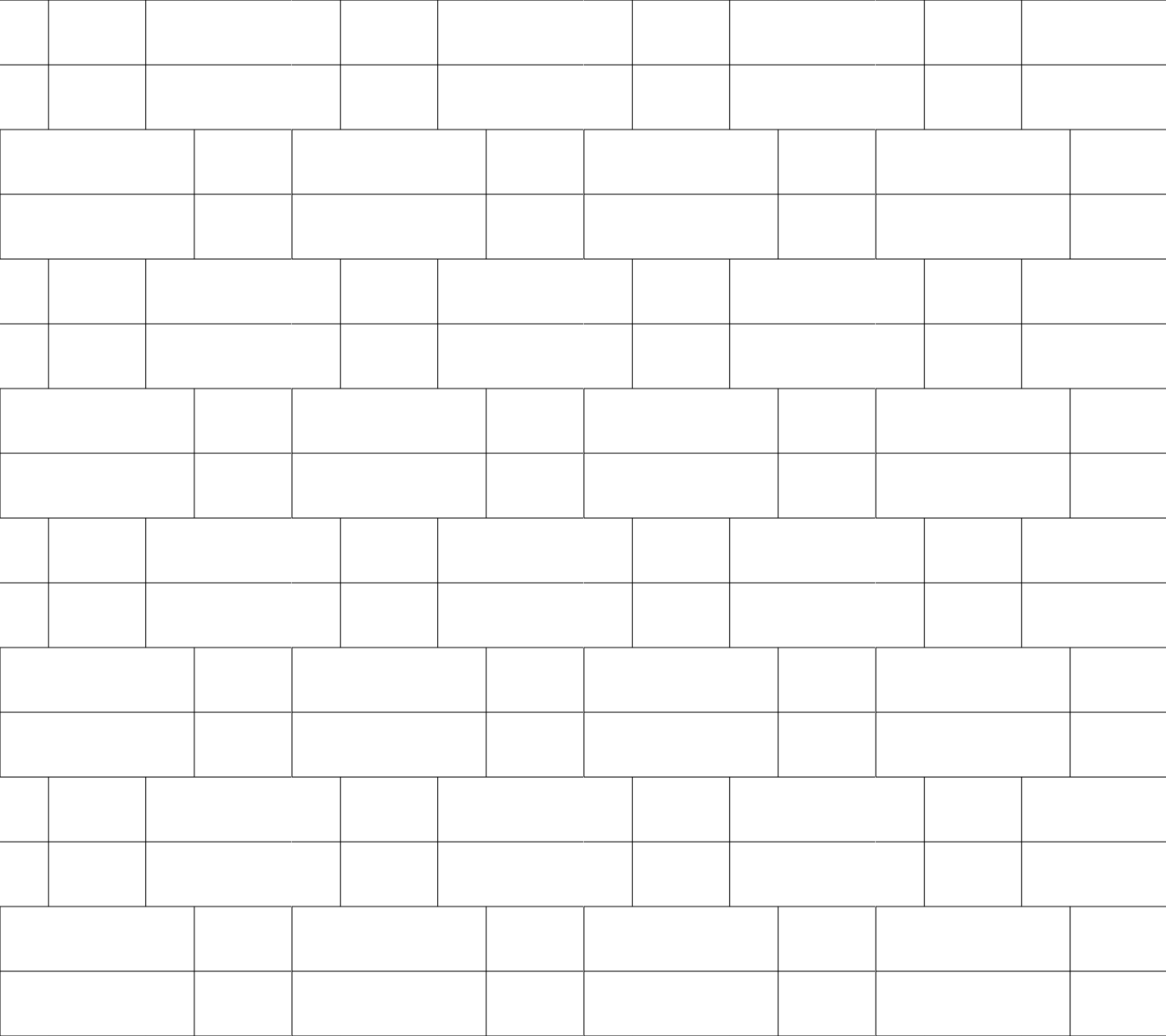
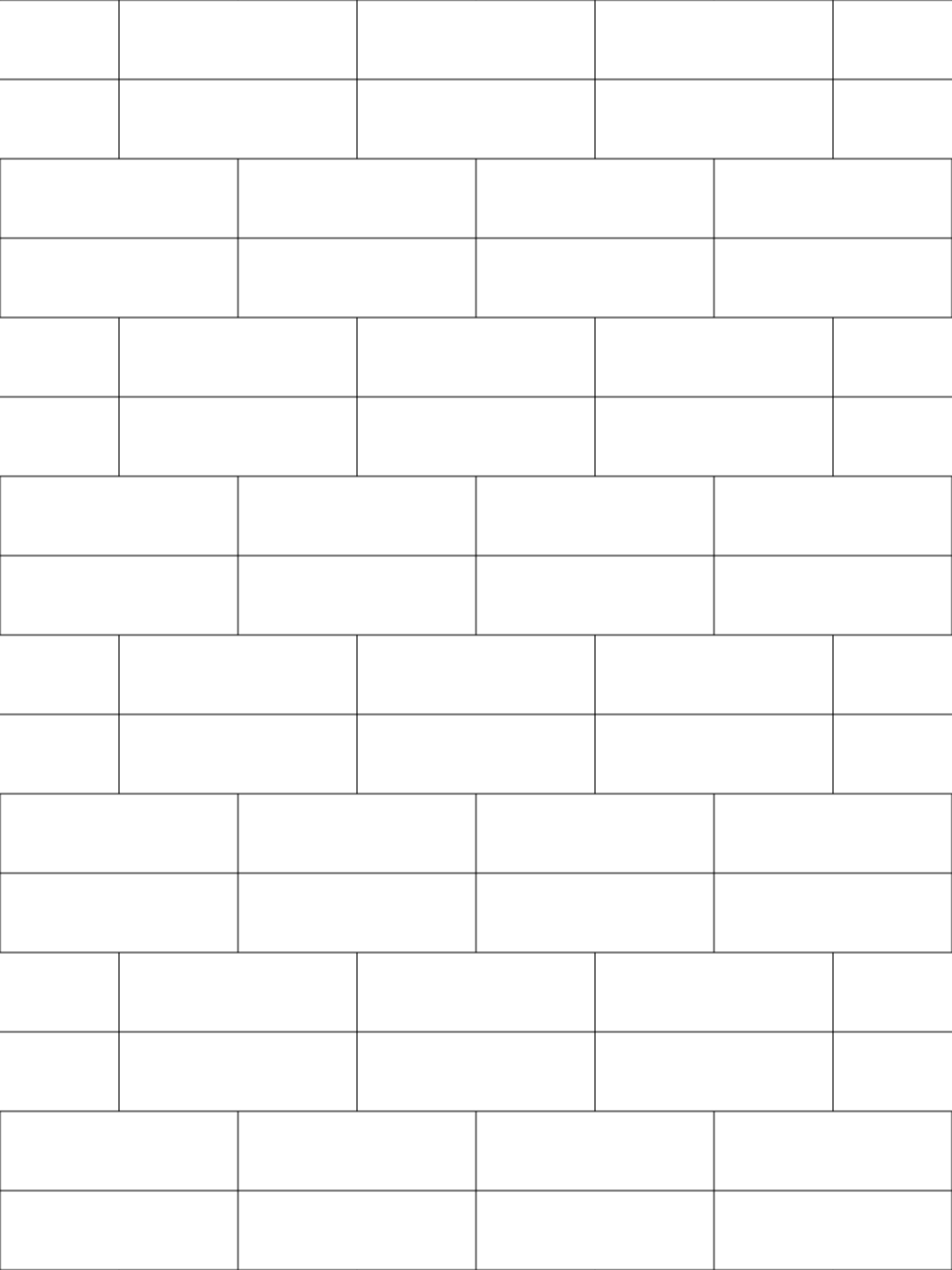
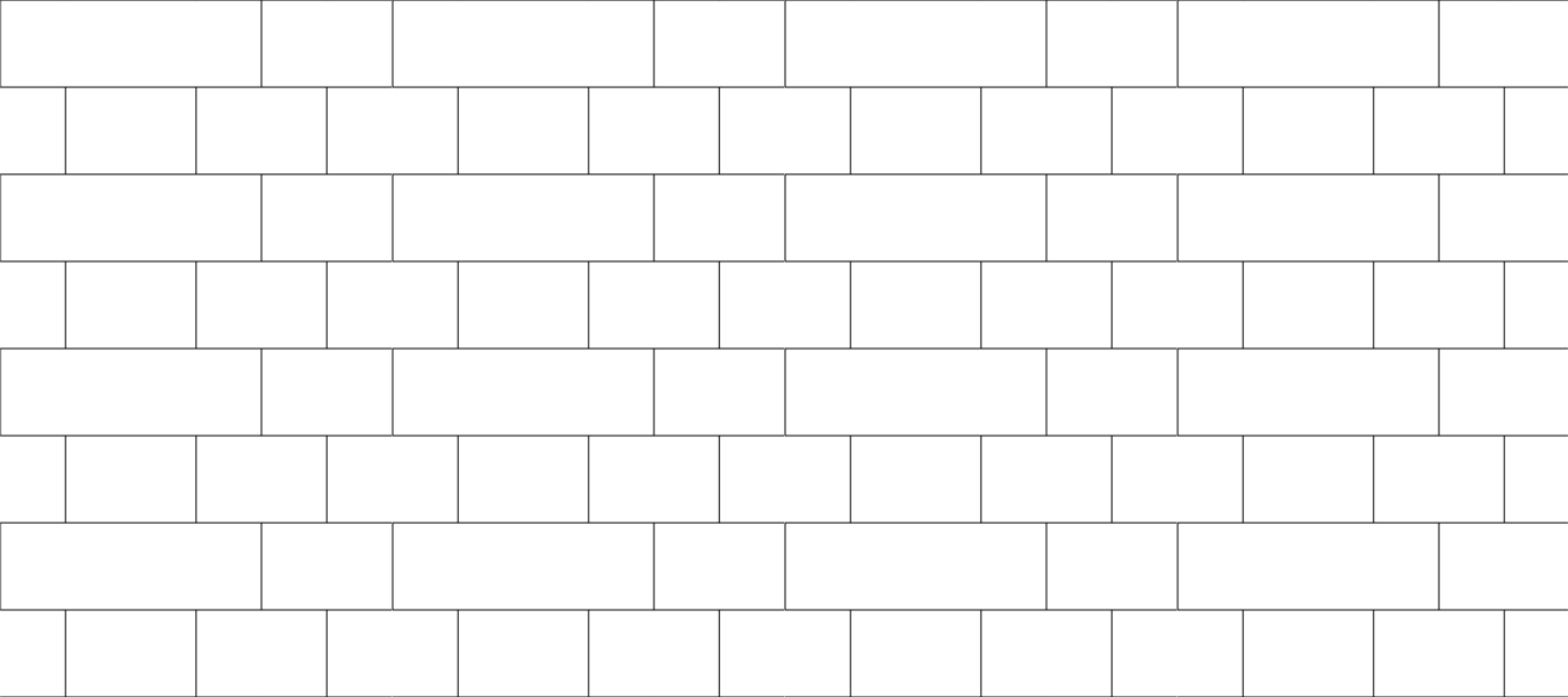
Motif

Free hatch patterns for AutoCAD and Revit (.pat), SVG & DXF

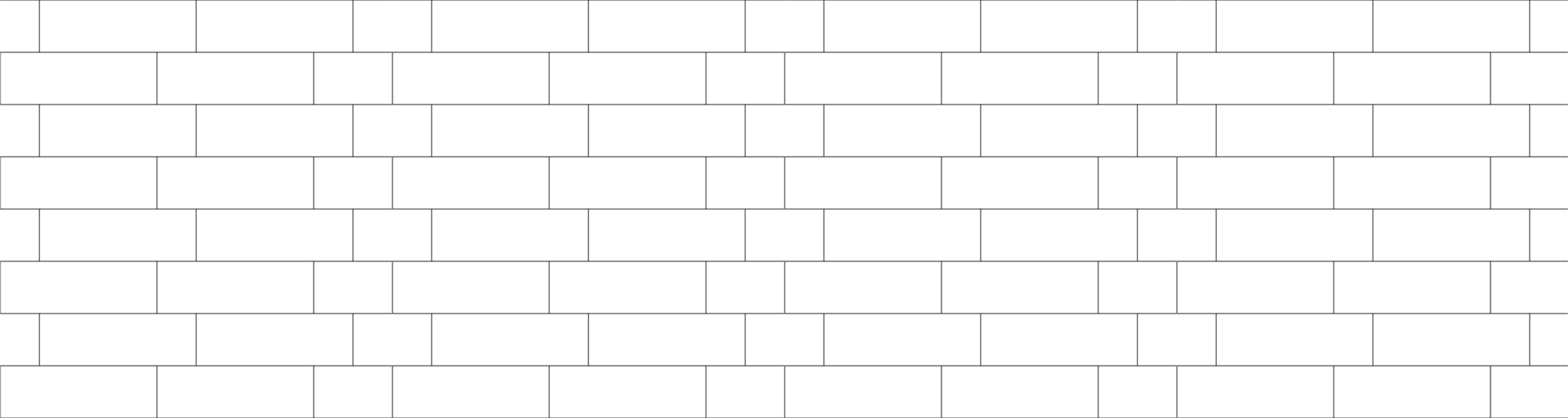
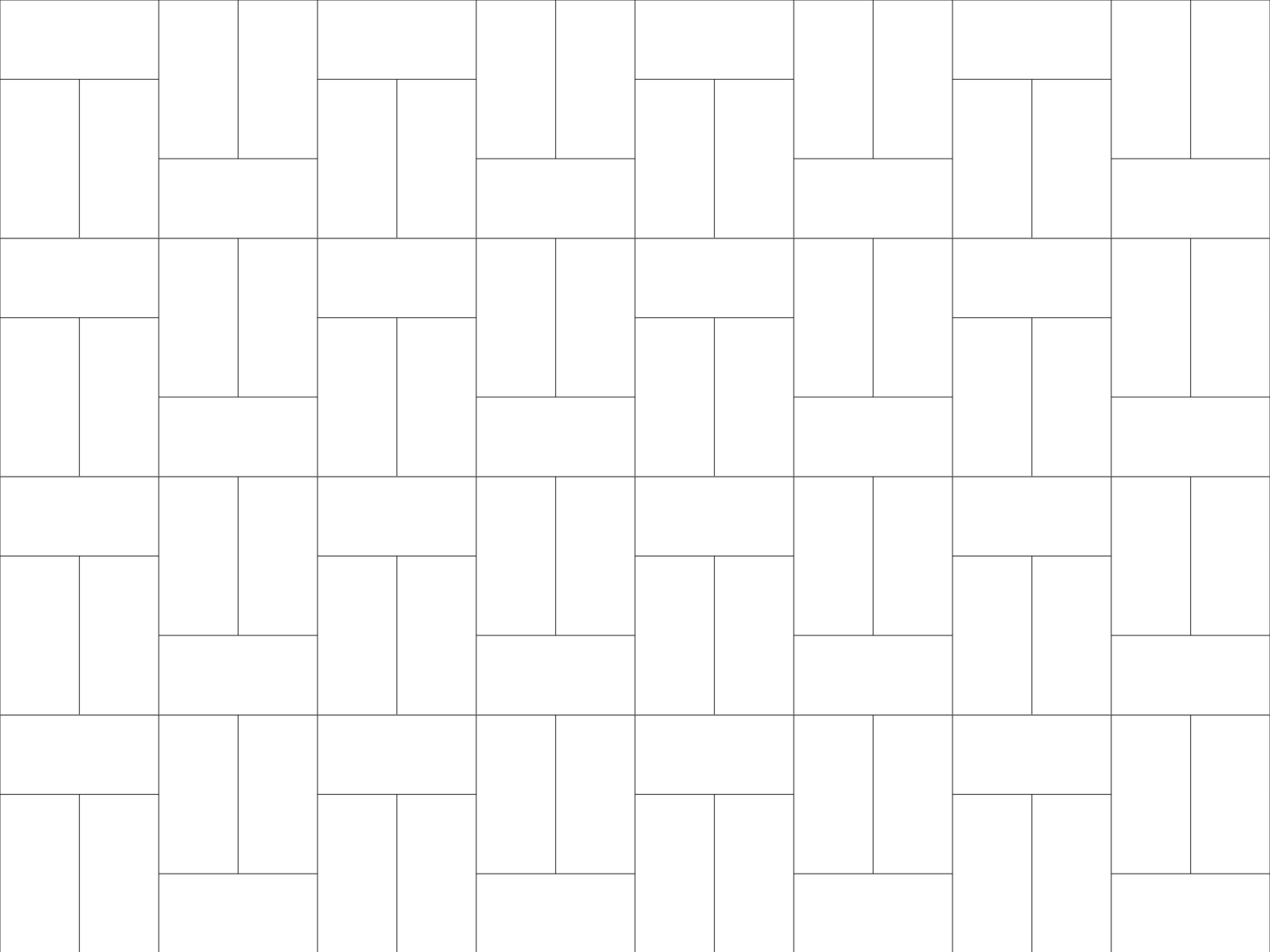
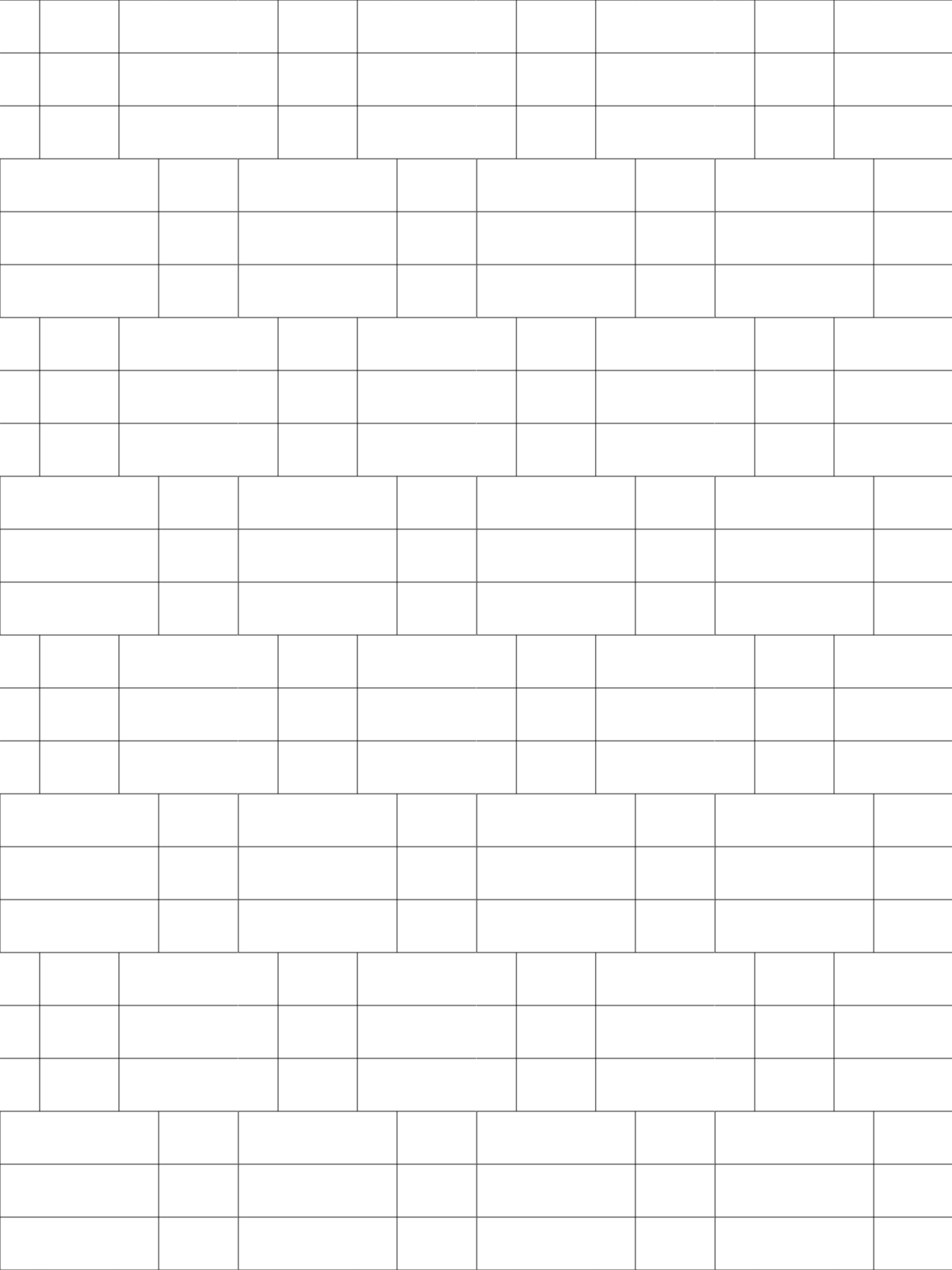
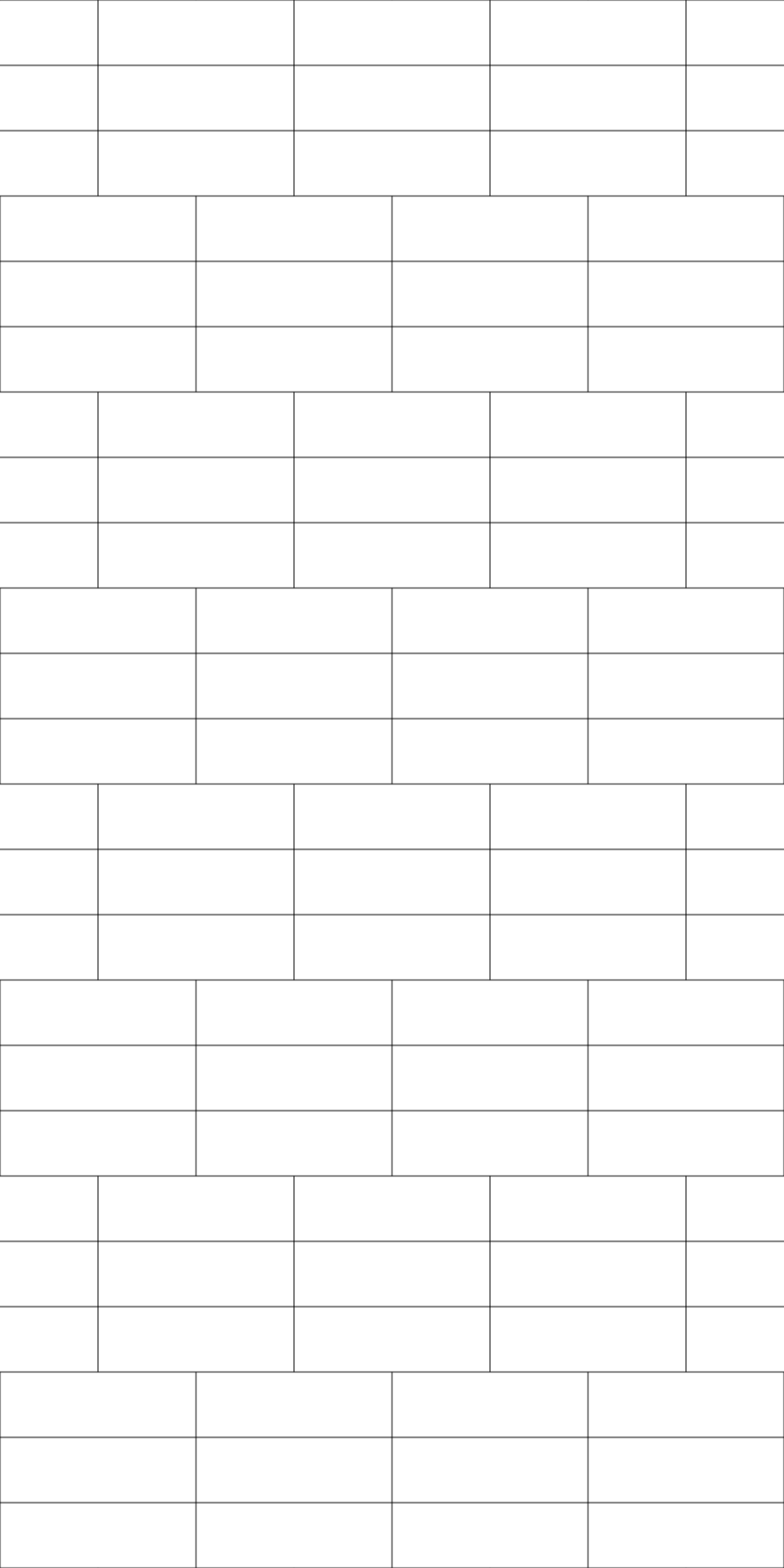
Tile and paving hatches drawn from exact tile edges: 15 plain tile sizes and 115 laying patterns including herringbone, chevron, brick bonds, Versailles and hexagon. No account, no watermark. Files are in millimetres.

Tile size grids: 300 × 600, 600 × 600 and more

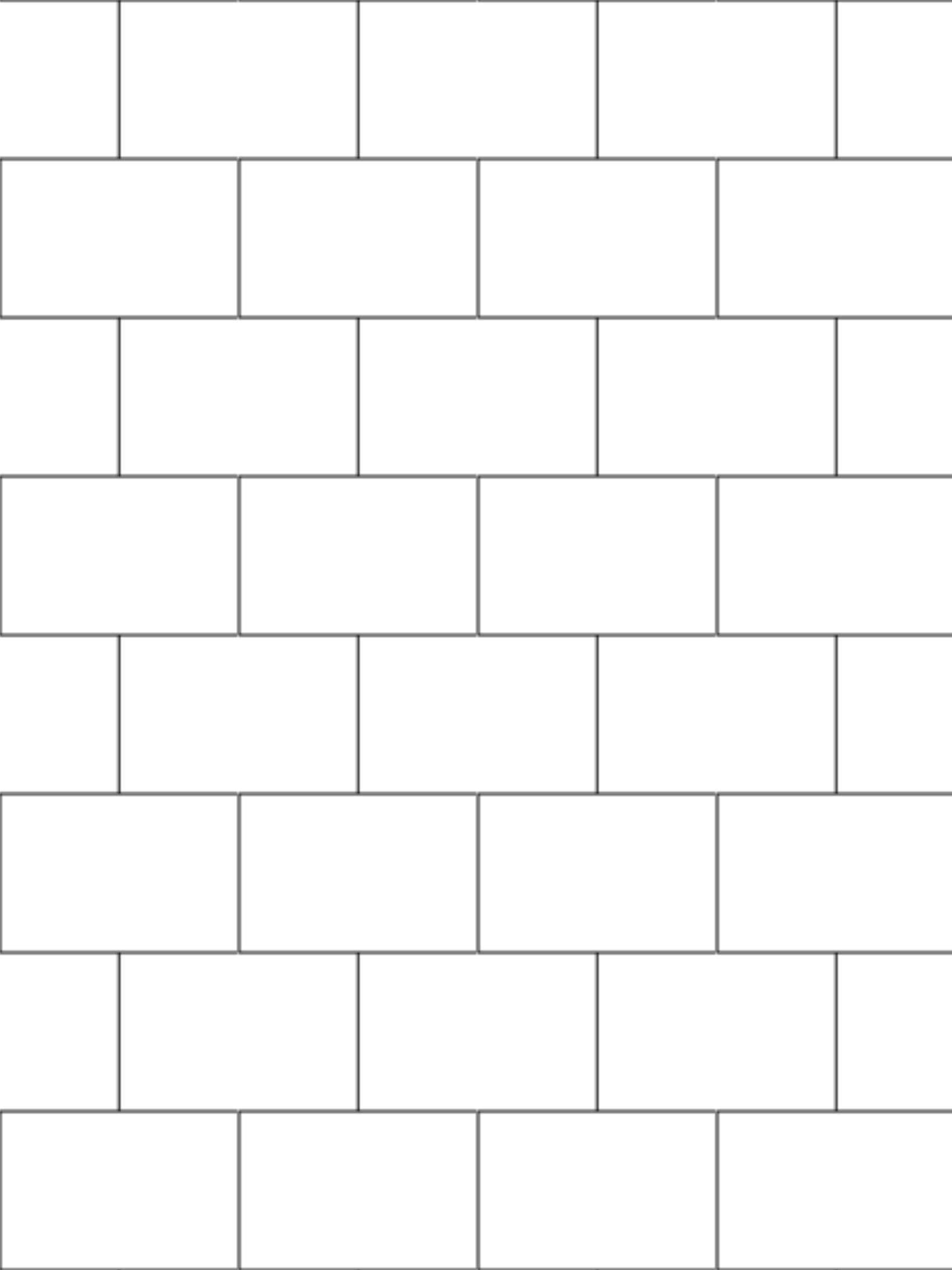
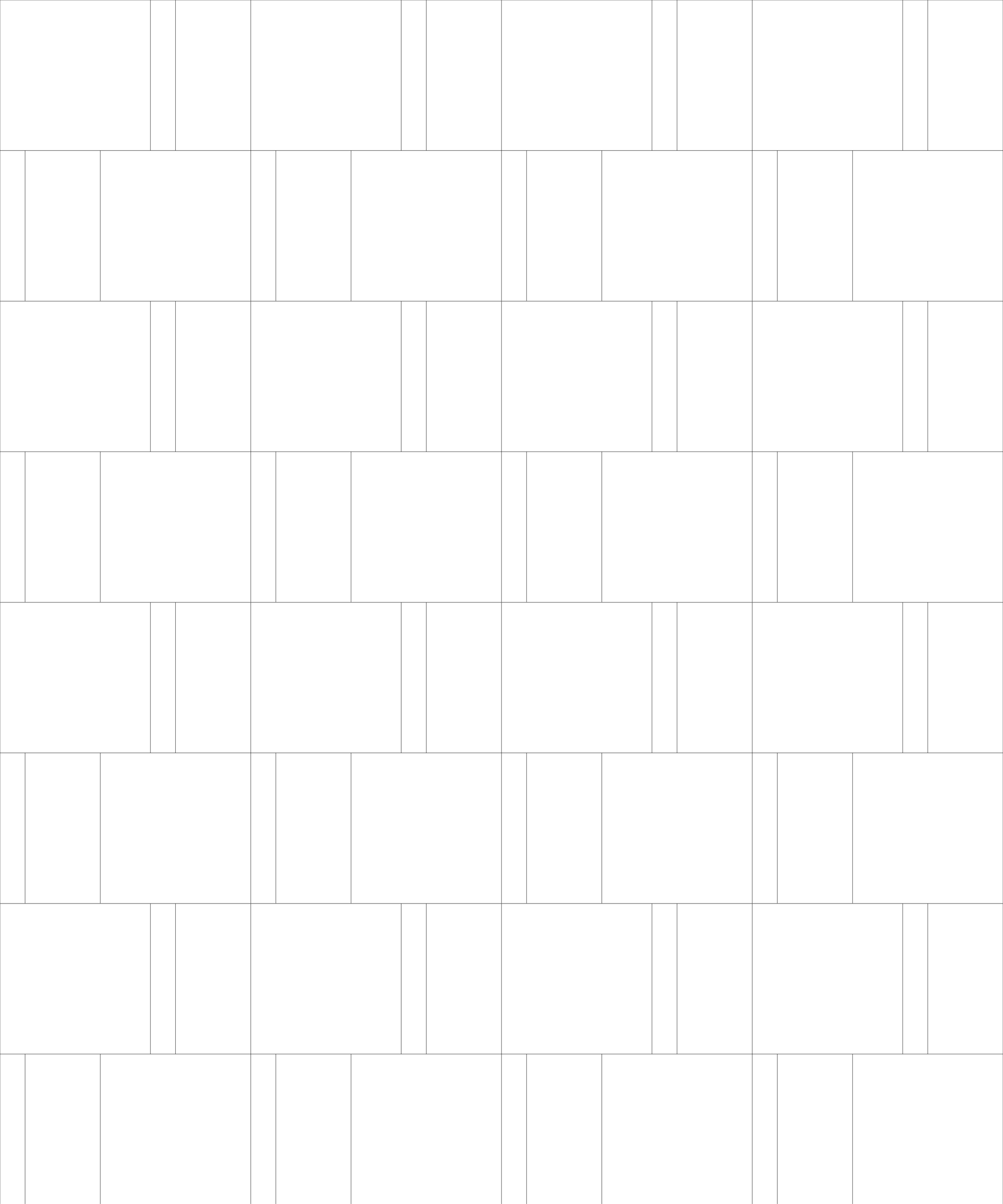
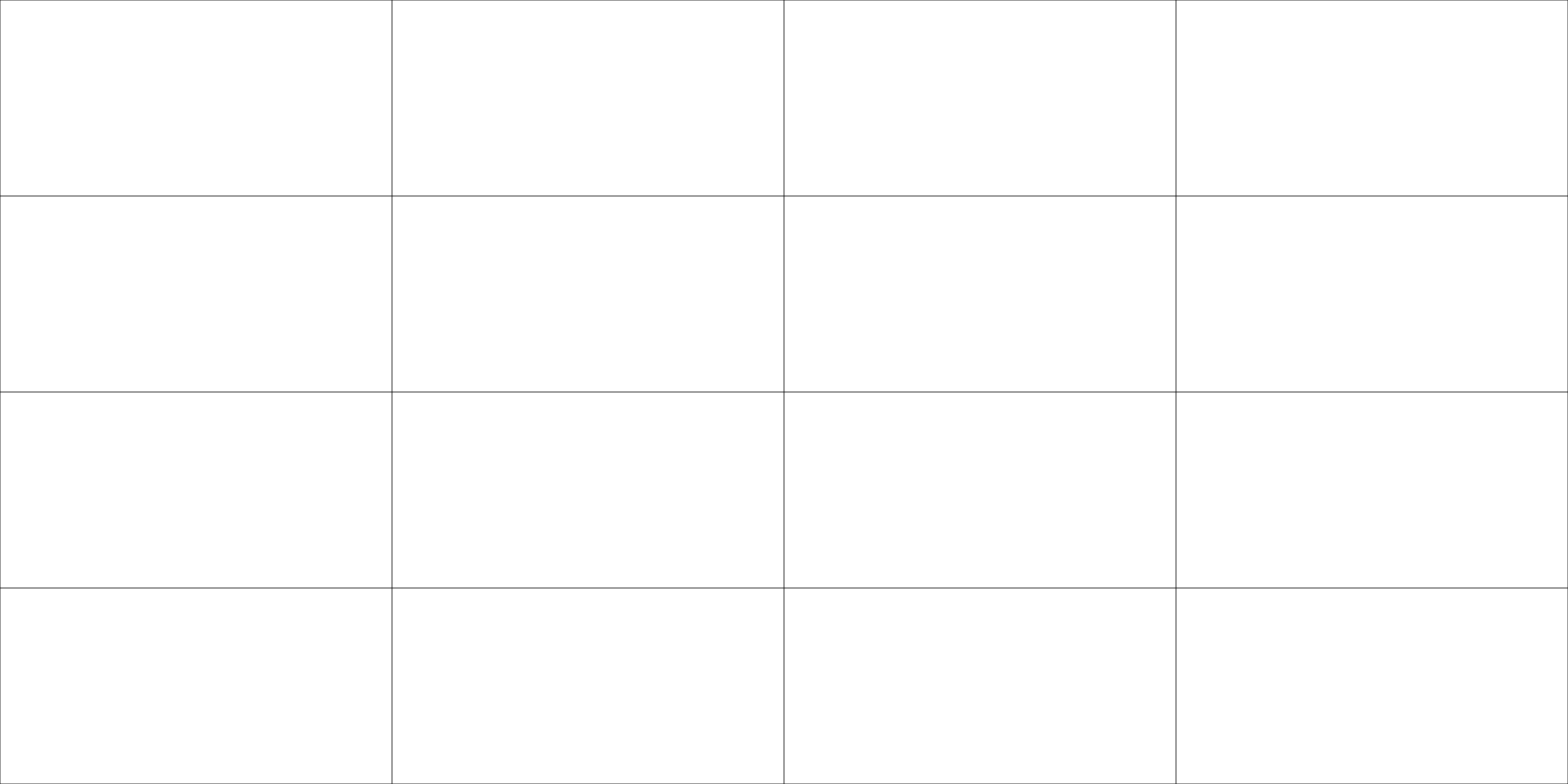
A stack-bond grid at the exact tile pitch, so the hatch lines up with the real tile size without scaling.

Tile size (mm)AutoCAD .patRevit model .pat
100 × 100tile-100x100.pattile-100x100-revit.pat
150 × 150tile-150x150.pattile-150x150-revit.pat
200 × 200tile-200x200.pattile-200x200-revit.pat
300 × 300tile-300x300.pattile-300x300-revit.pat
300 × 600tile-300x600.pattile-300x600-revit.pat
400 × 400tile-400x400.pattile-400x400-revit.pat
400 × 800tile-400x800.pattile-400x800-revit.pat
450 × 450tile-450x450.pattile-450x450-revit.pat
500 × 500tile-500x500.pattile-500x500-revit.pat
600 × 600tile-600x600.pattile-600x600-revit.pat
600 × 1200tile-600x1200.pattile-600x1200-revit.pat
800 × 800tile-800x800.pattile-800x800-revit.pat
900 × 900tile-900x900.pattile-900x900-revit.pat
1000 × 1000tile-1000x1000.pattile-1000x1000-revit.pat
1200 × 1200tile-1200x1200.pattile-1200x1200-revit.pat

Herringbone hatch for AutoCAD and Revit

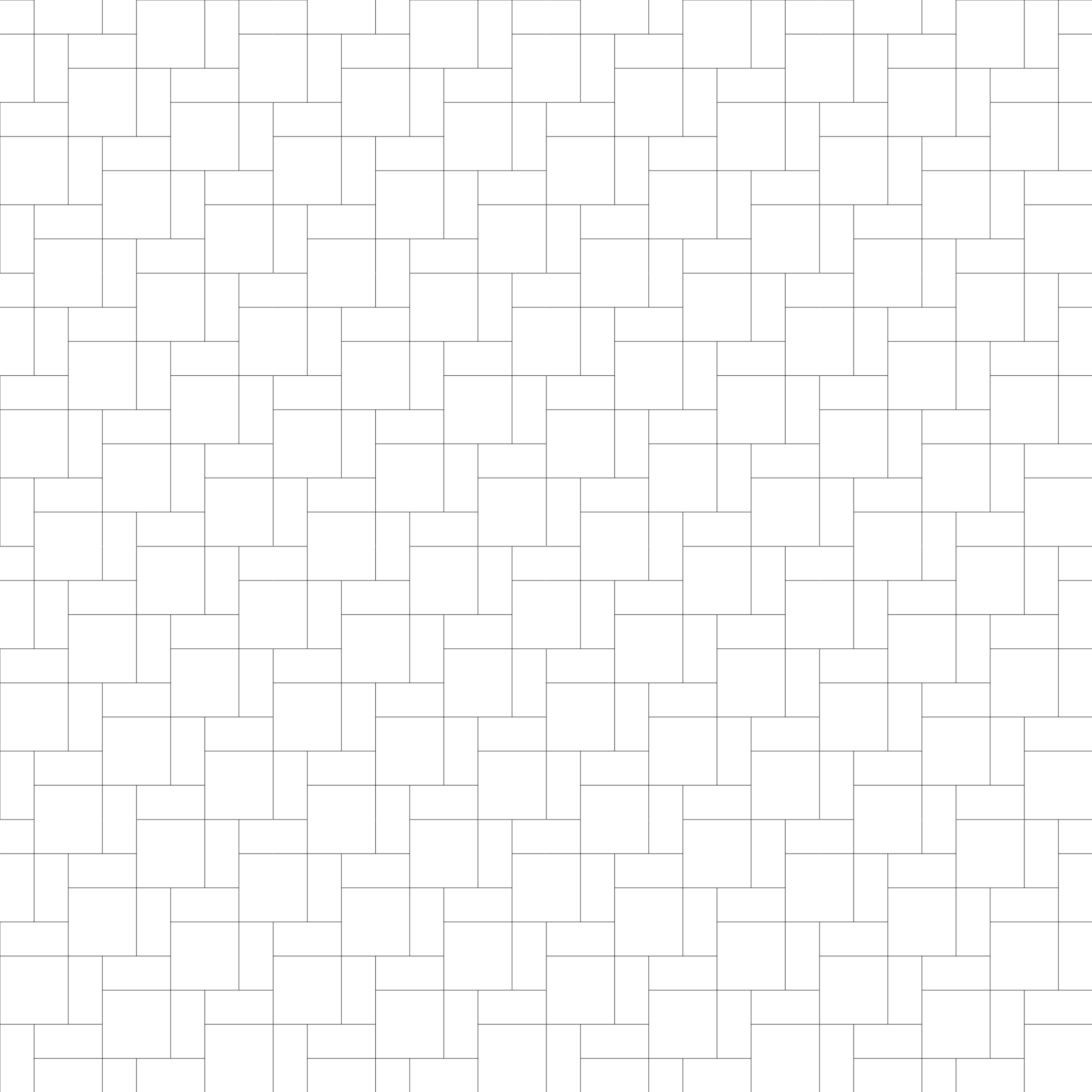
The herringbone page has the .pat, SVG and DXF for the default 600 × 100 mm board; the editor exports any board size. Vietnamese: lát gạch xương cá.

All 115 patterns

≈ marks a .pat that draws some edges as a staircase (16 patterns); its SVG and DXF are exact.
PatternAutoCADRevit modelSVGDXF
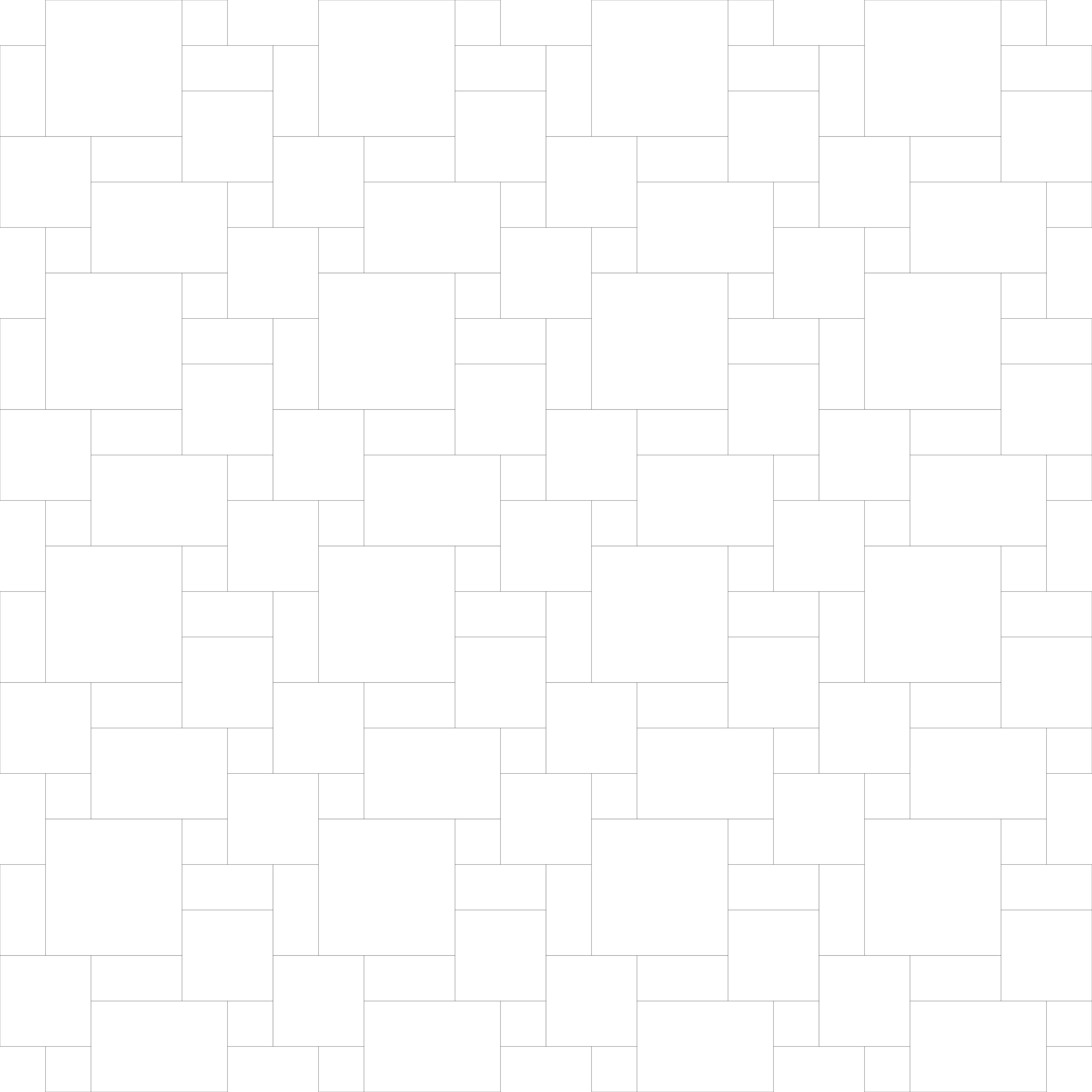
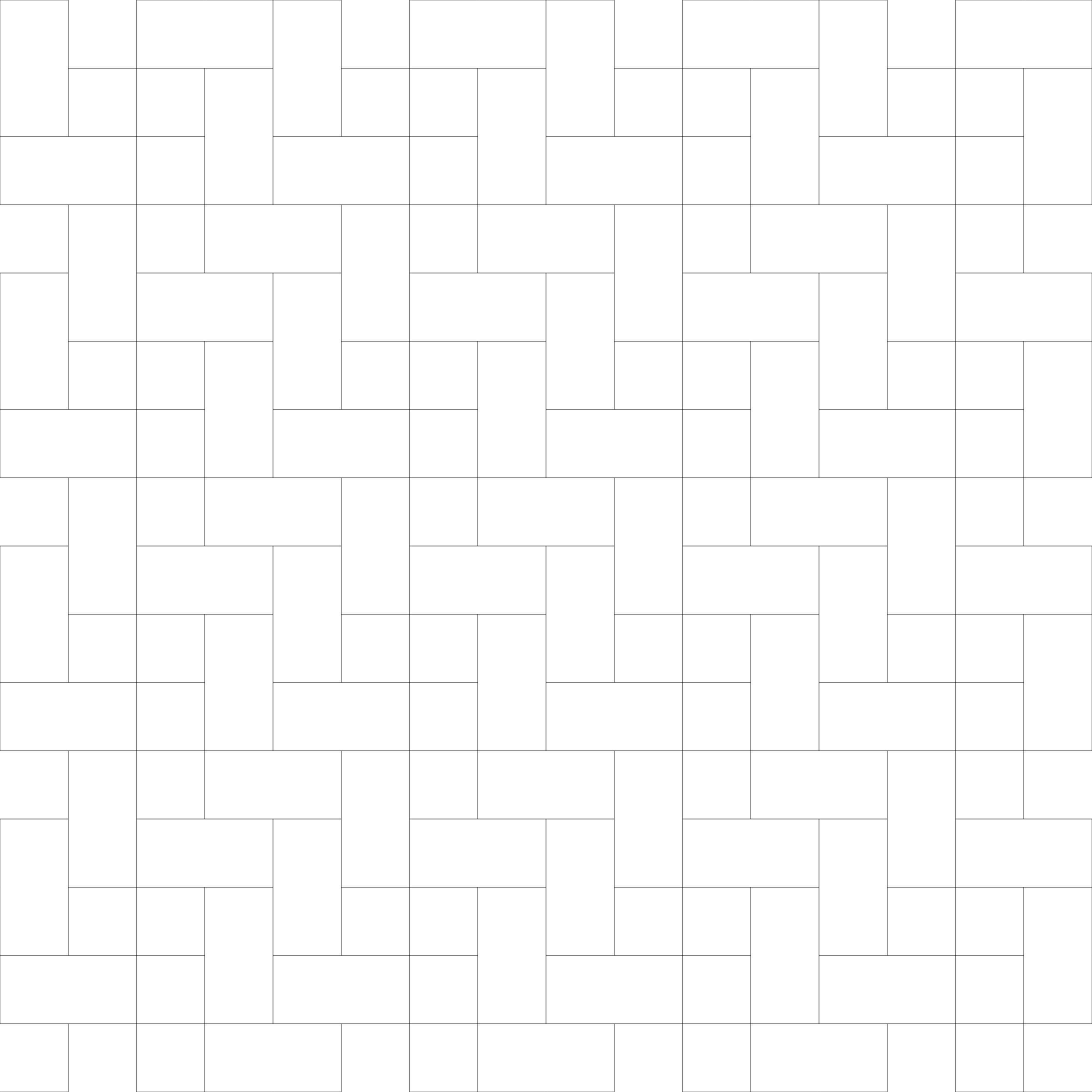
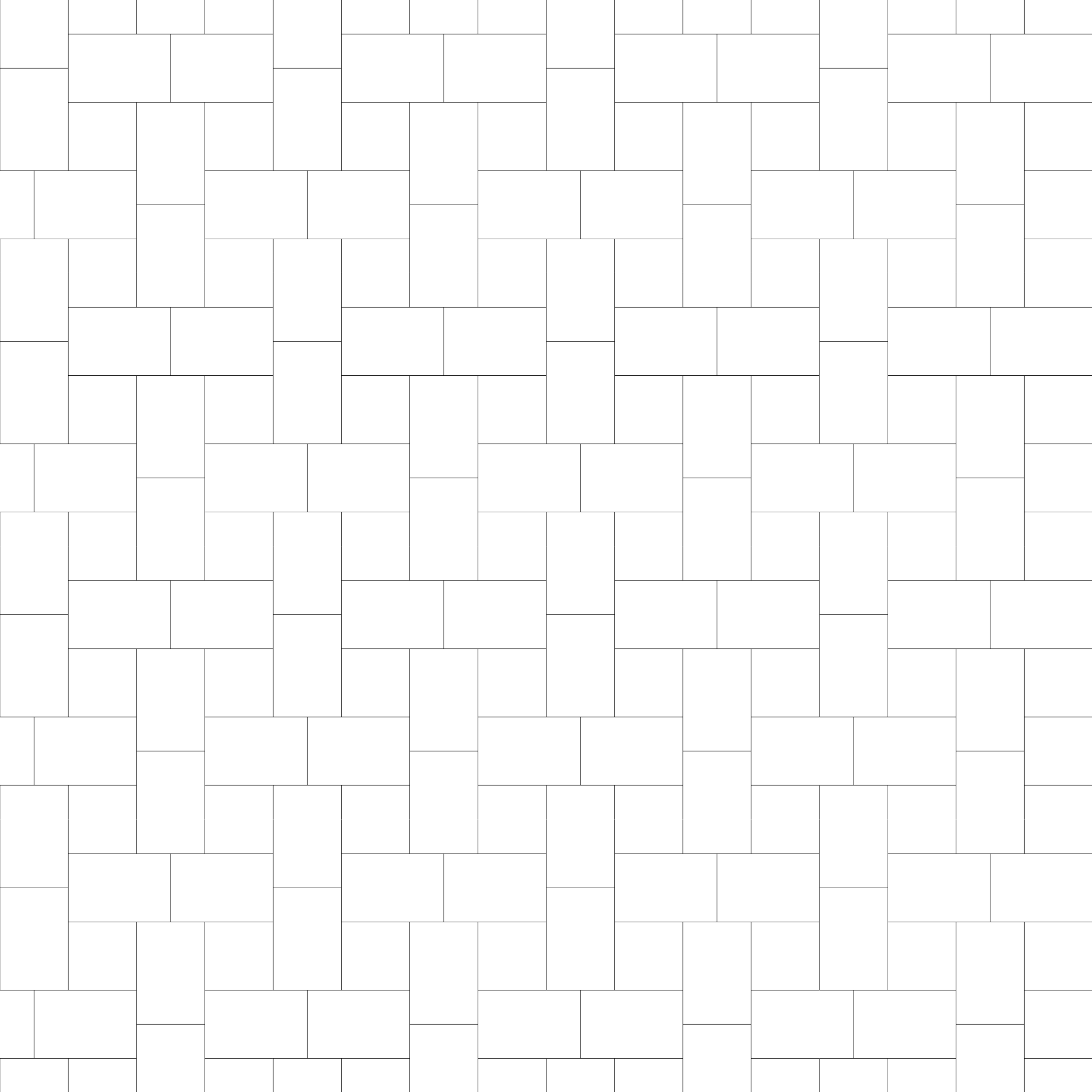
Wood floors and parquetry
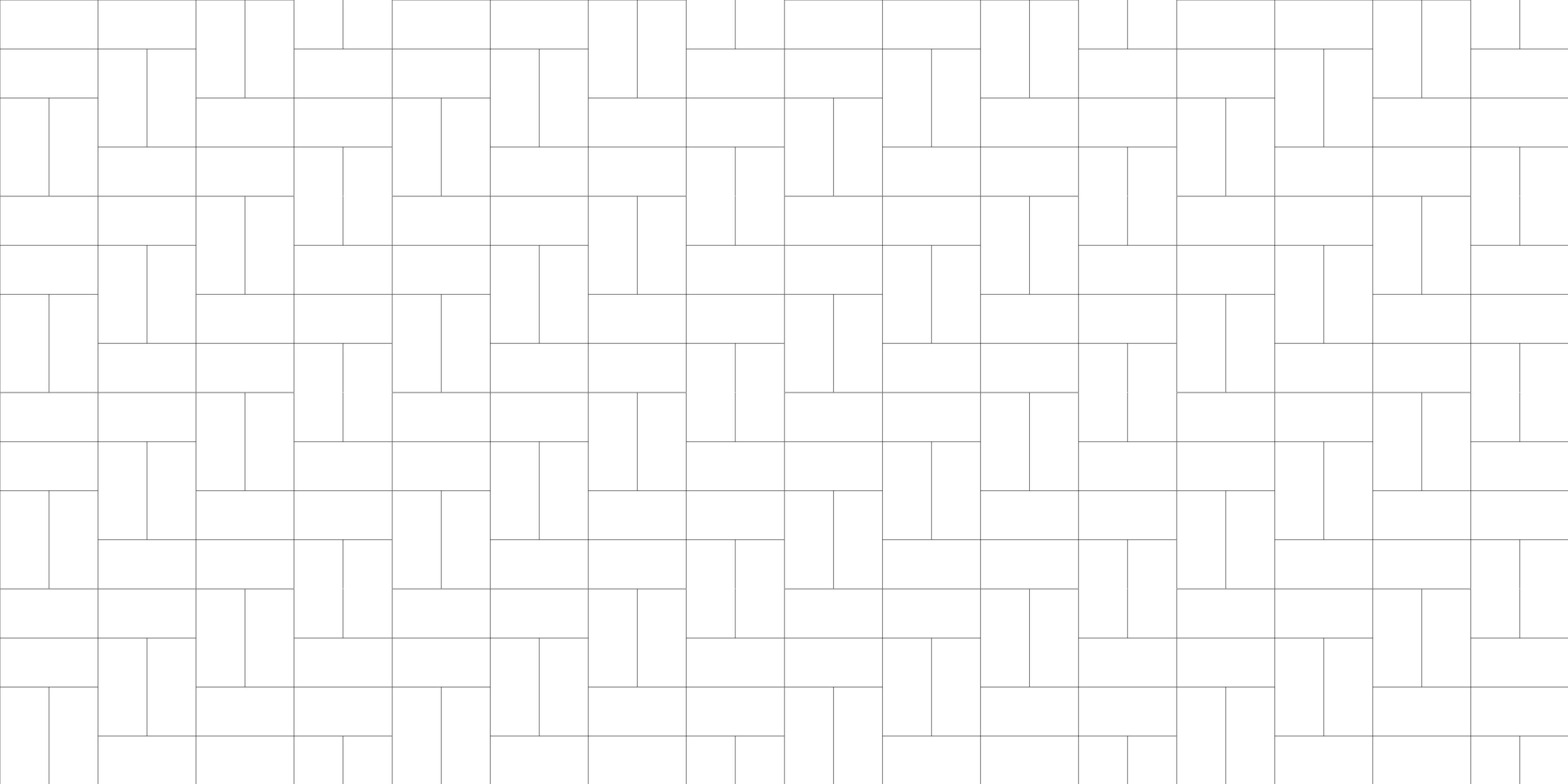
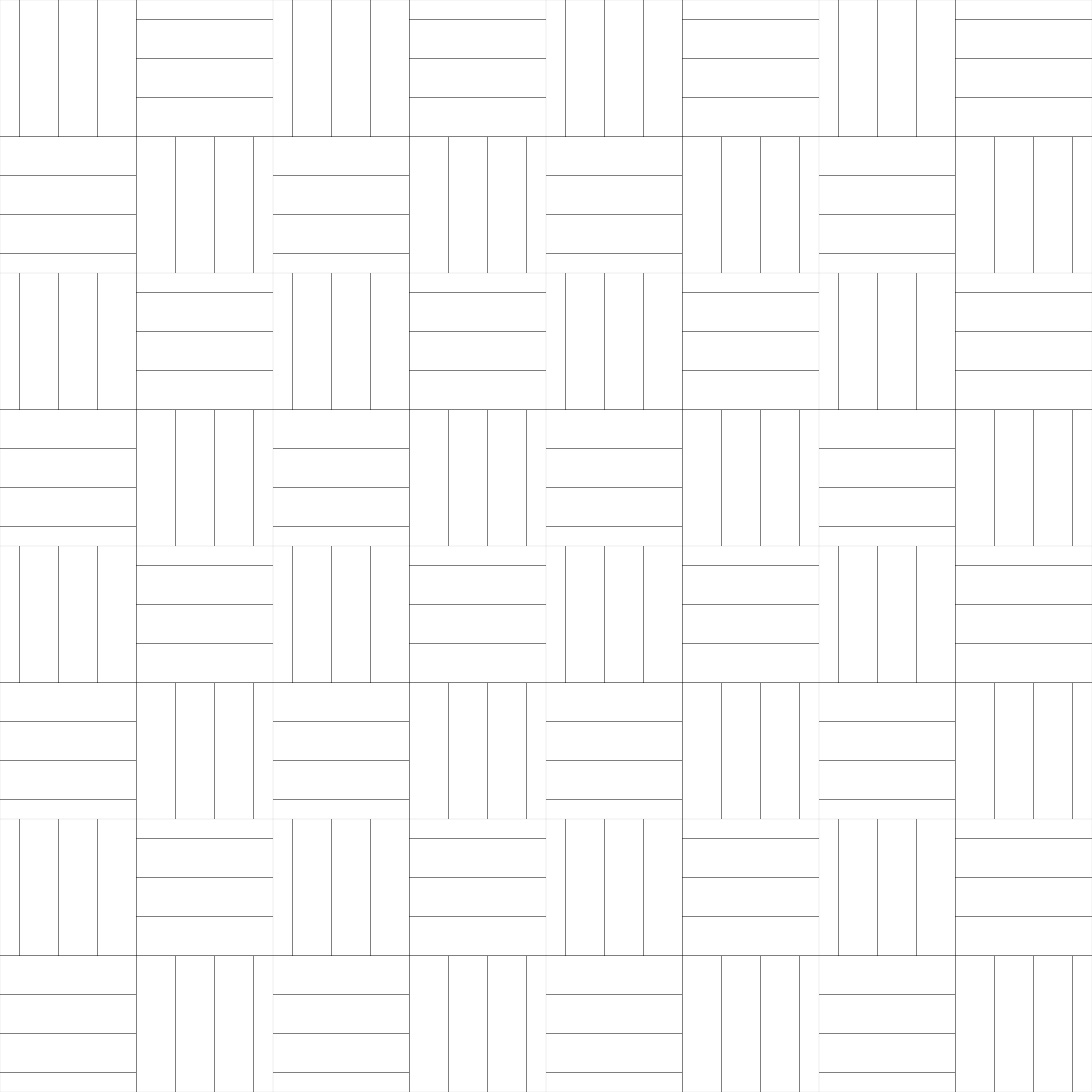
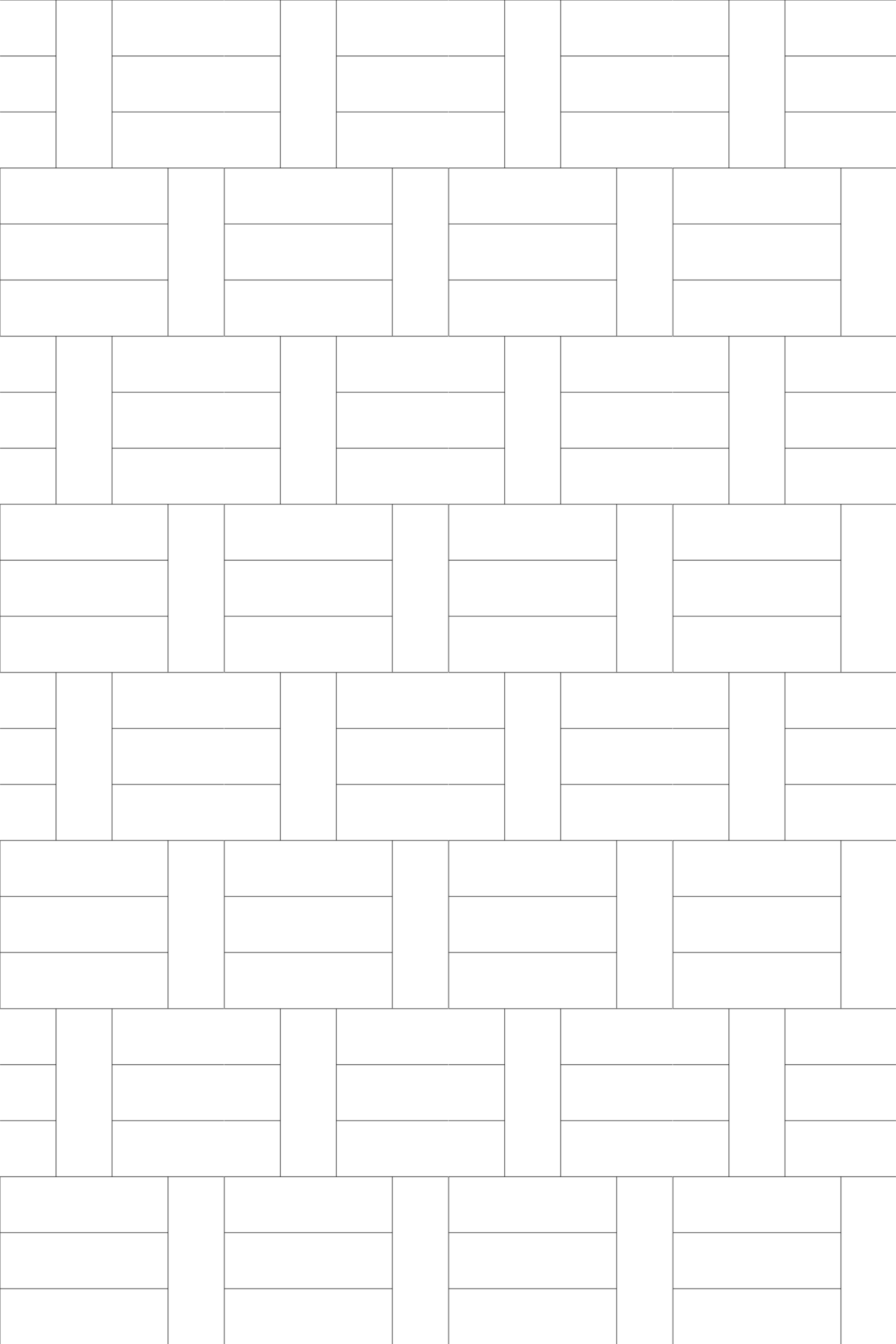
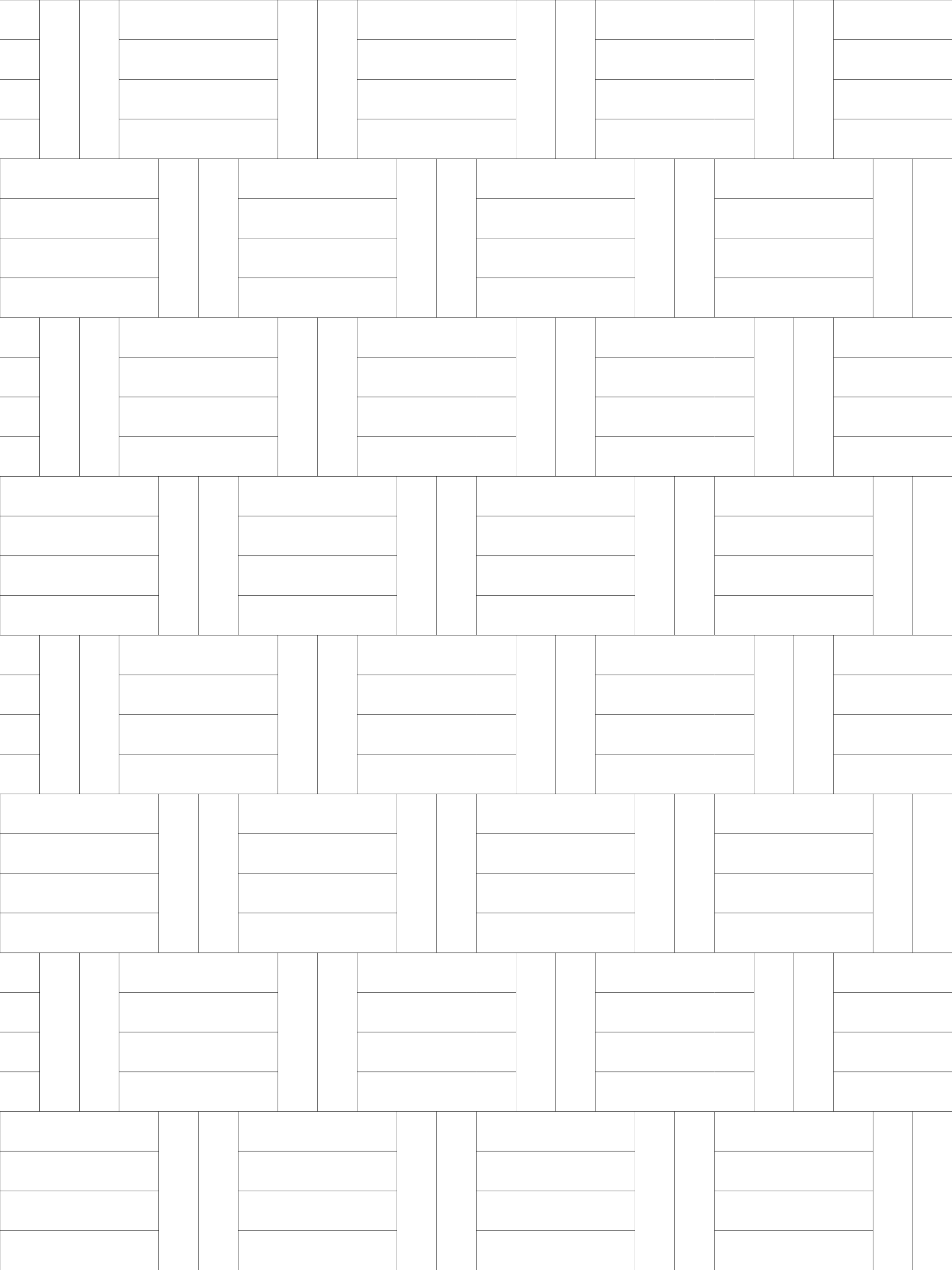
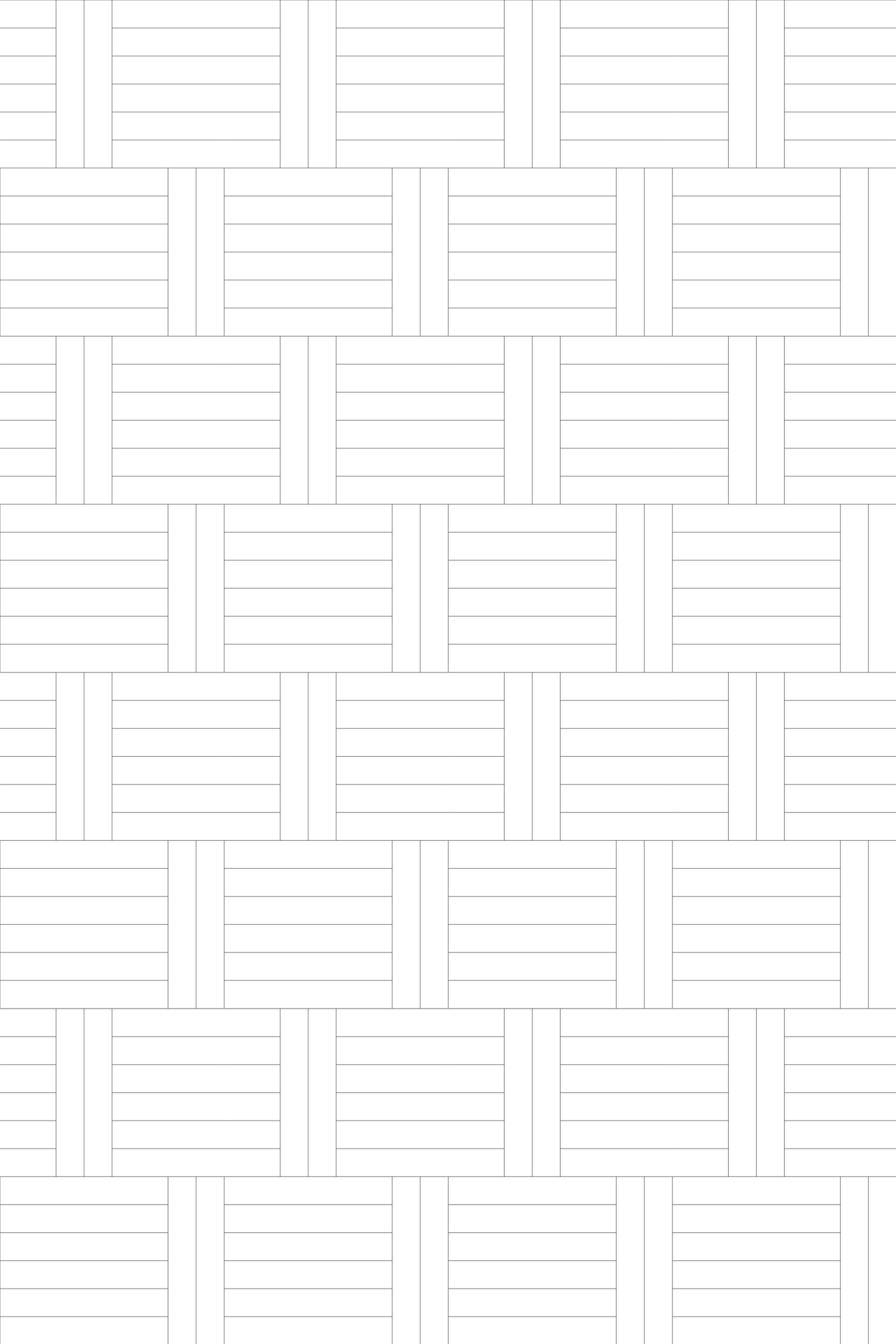
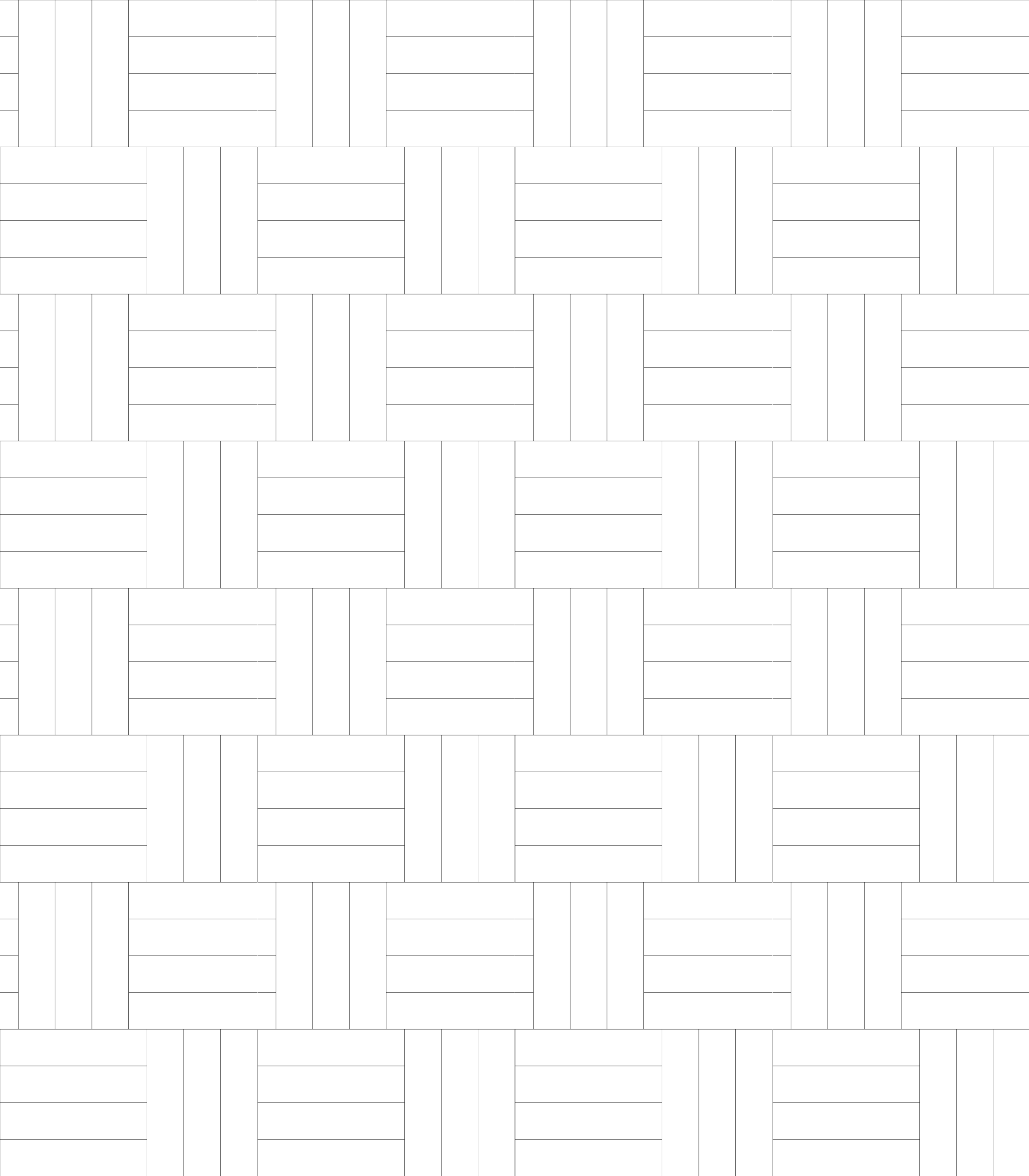
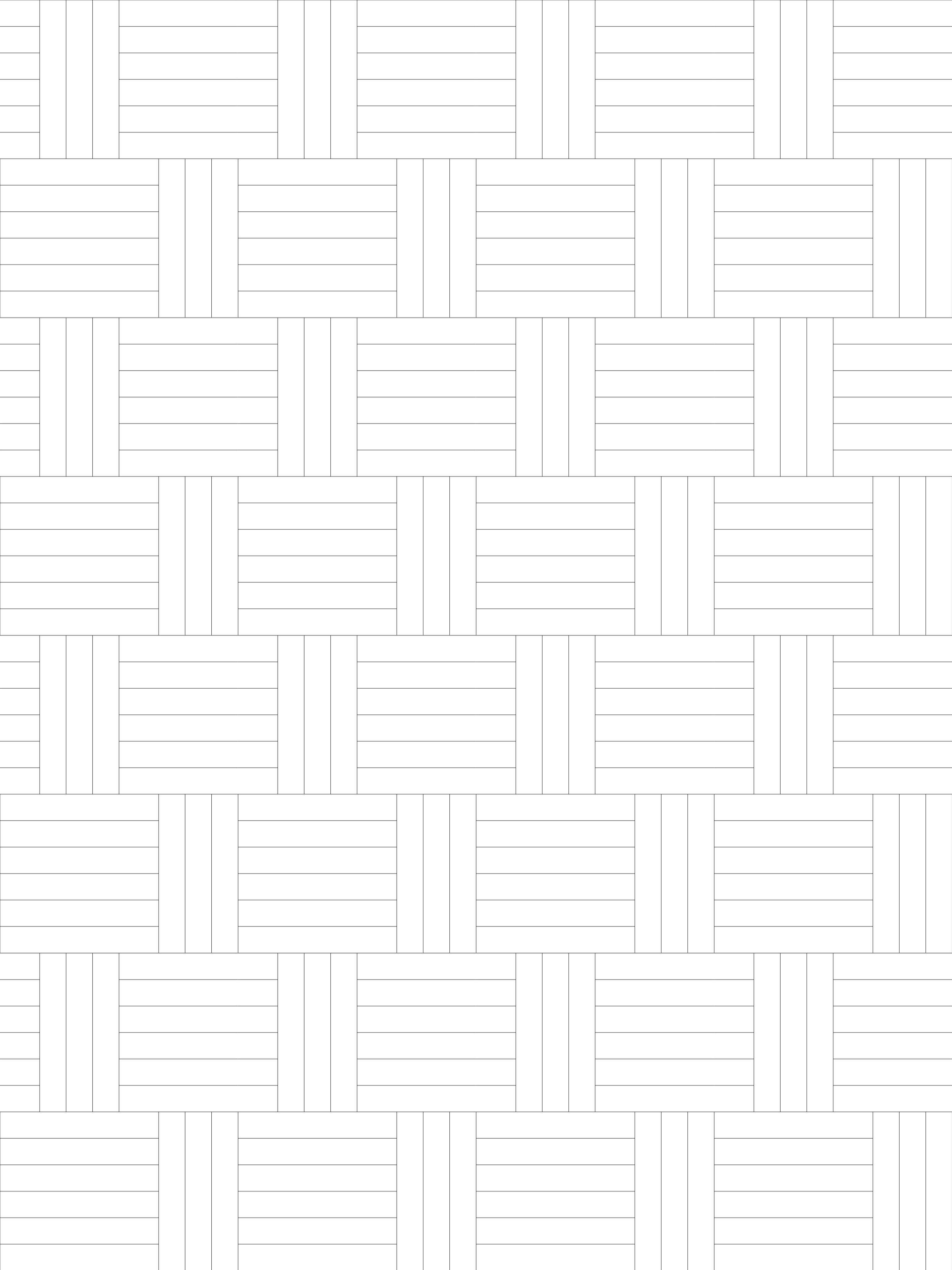
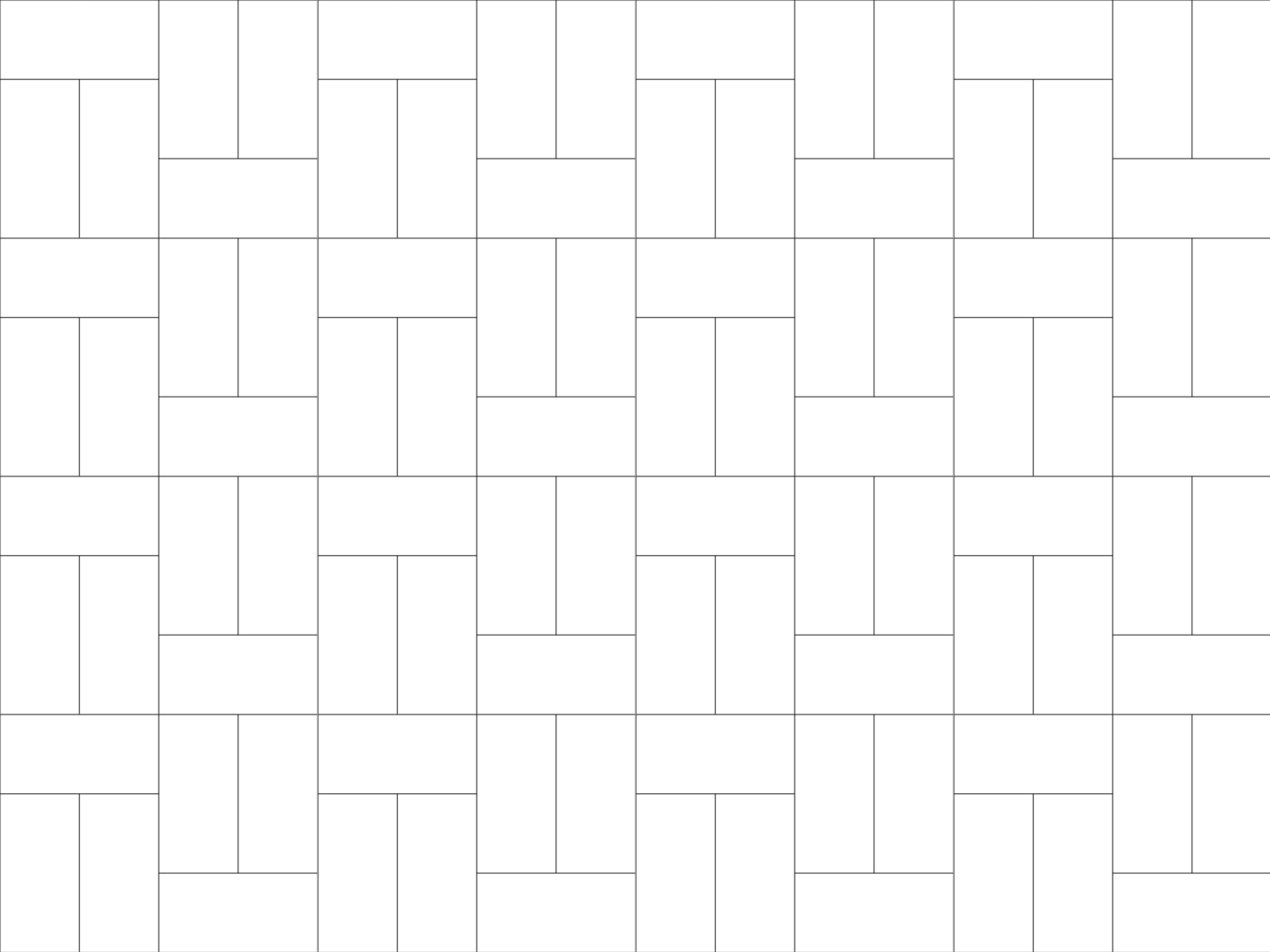
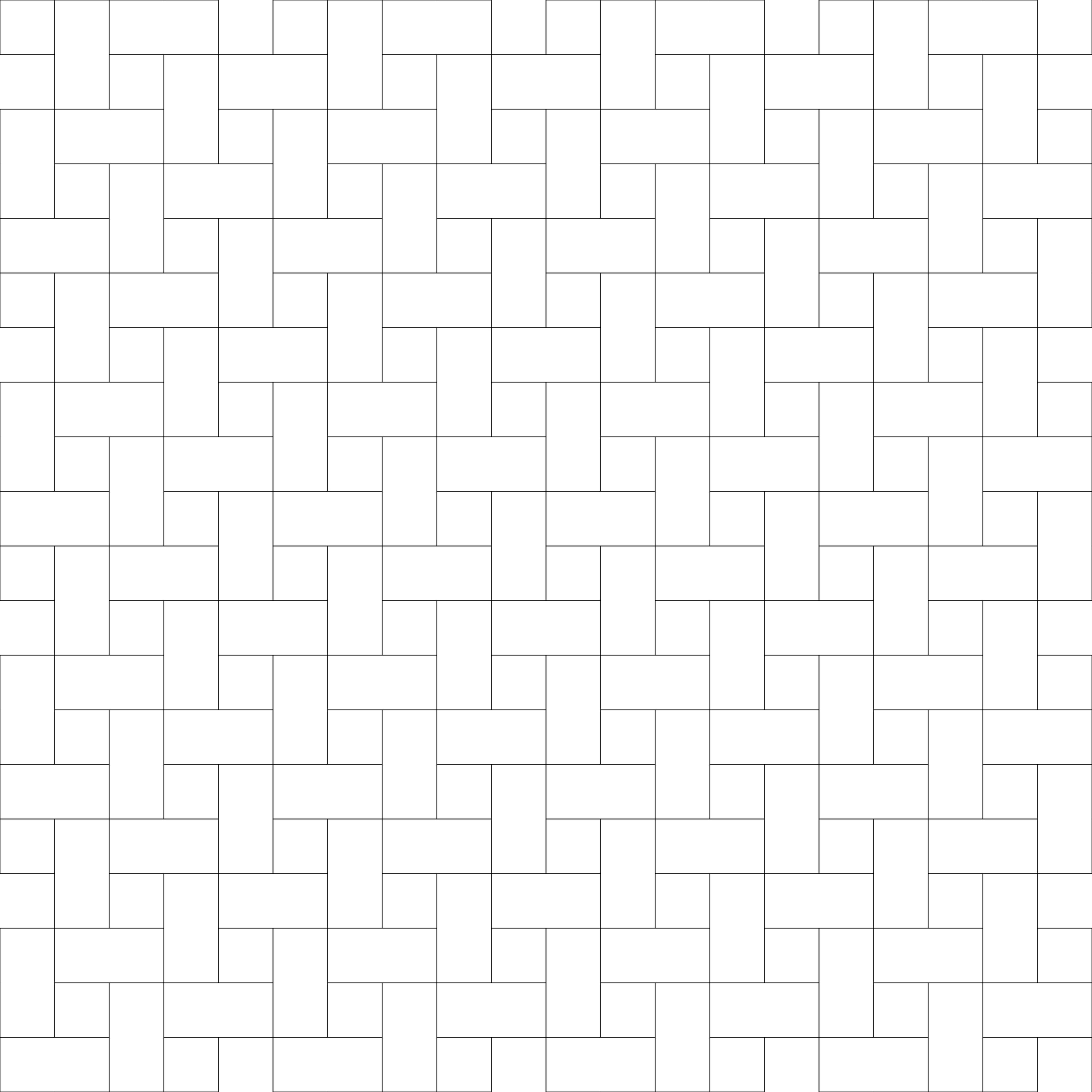
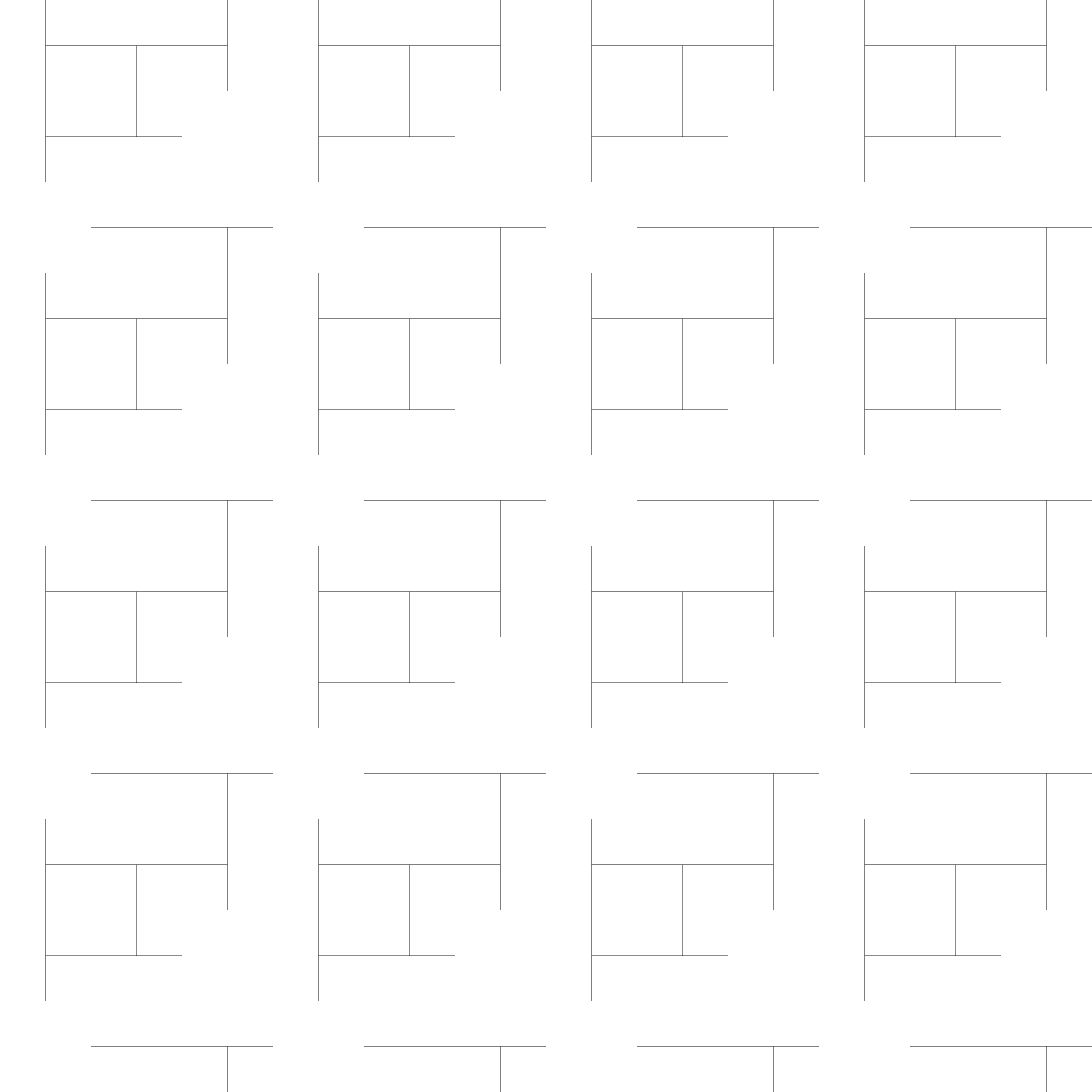
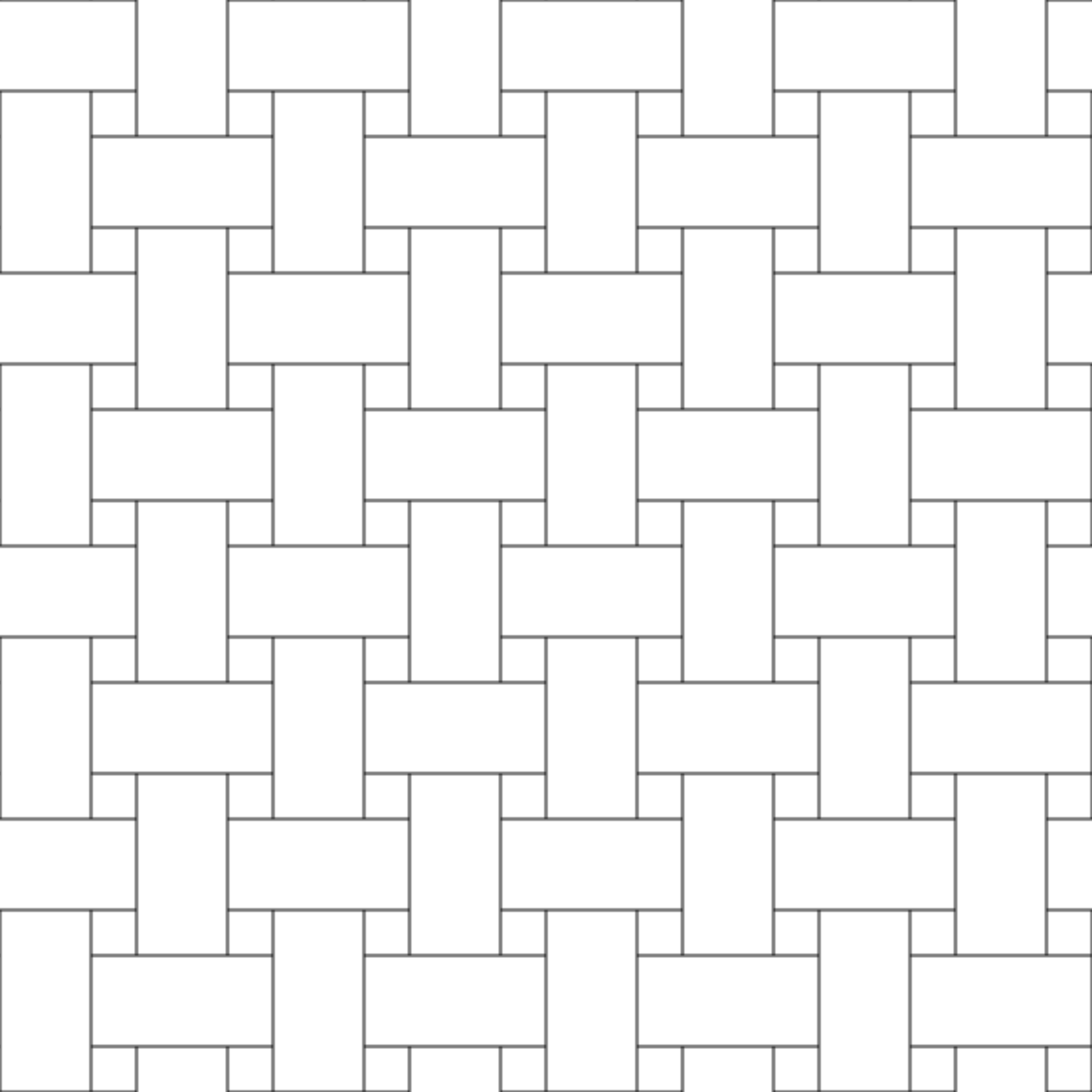
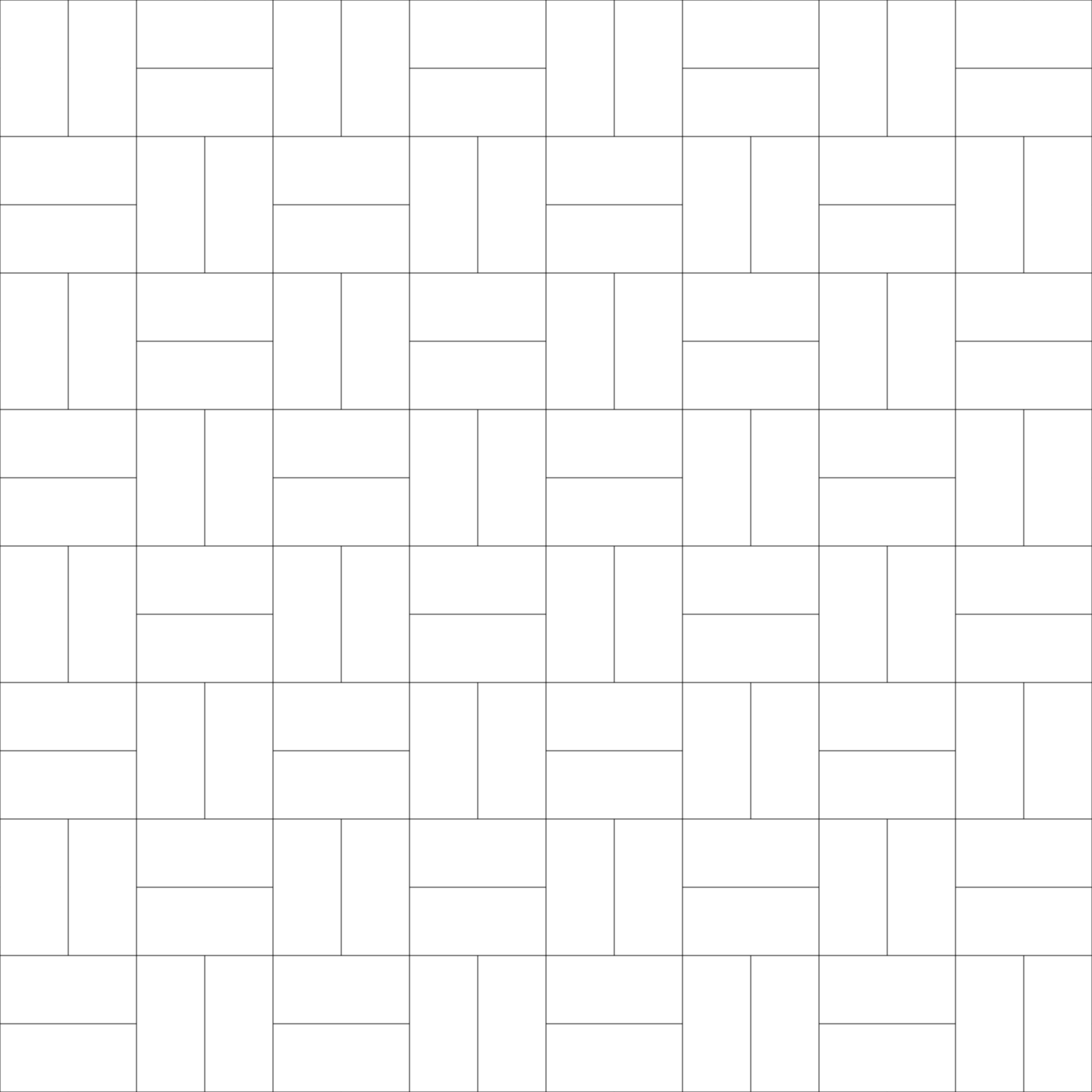
Basketweave.pat.patSVGDXF
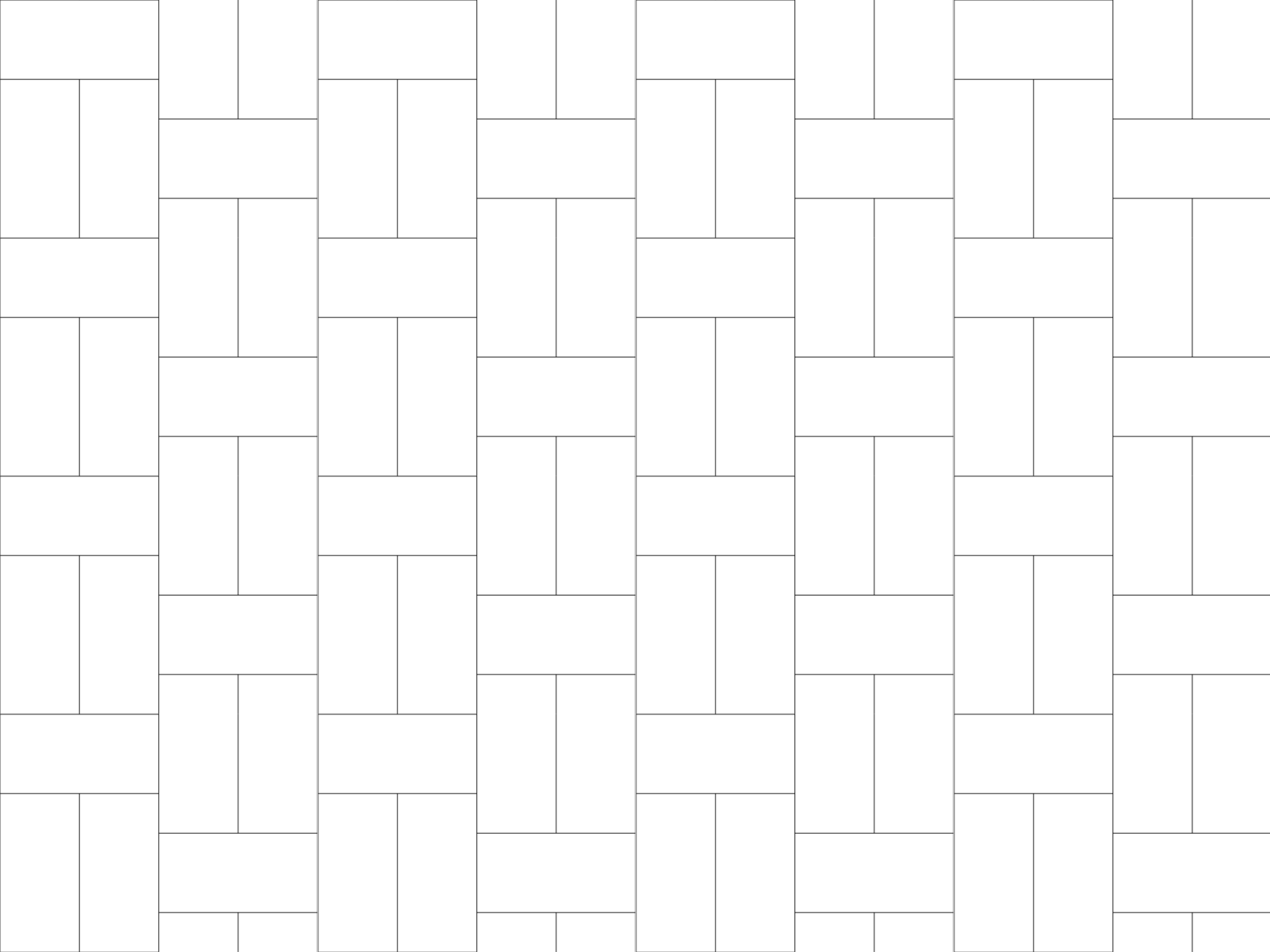
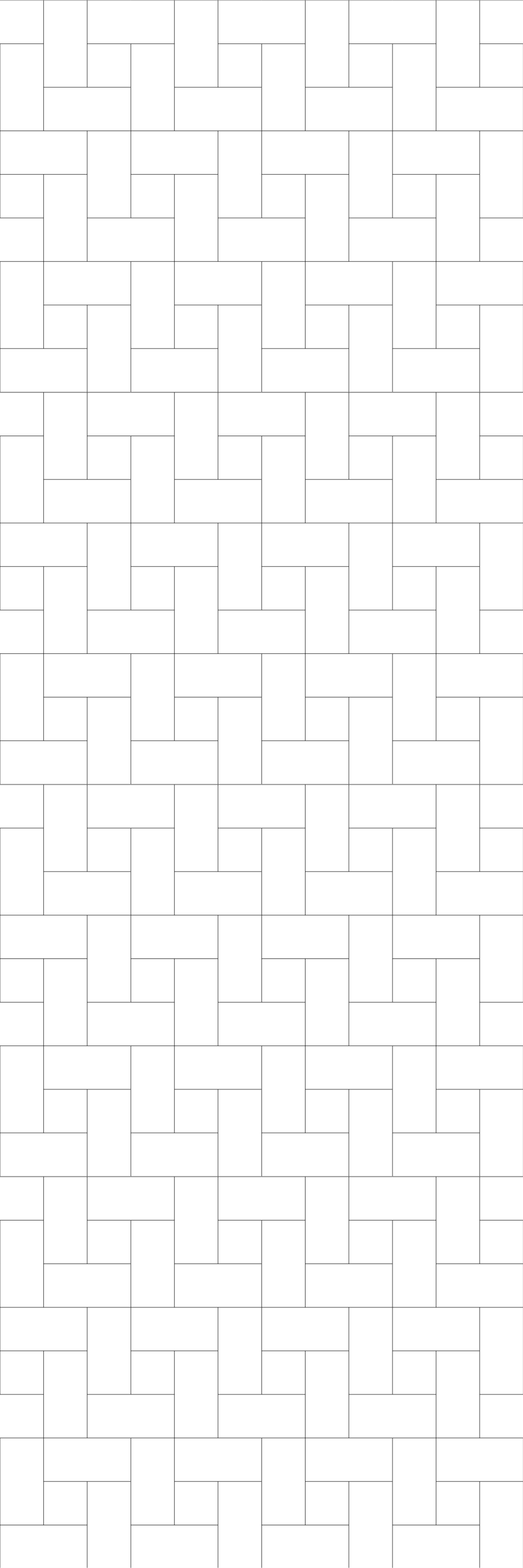
Block parquet (pave).pat.patSVGDXF
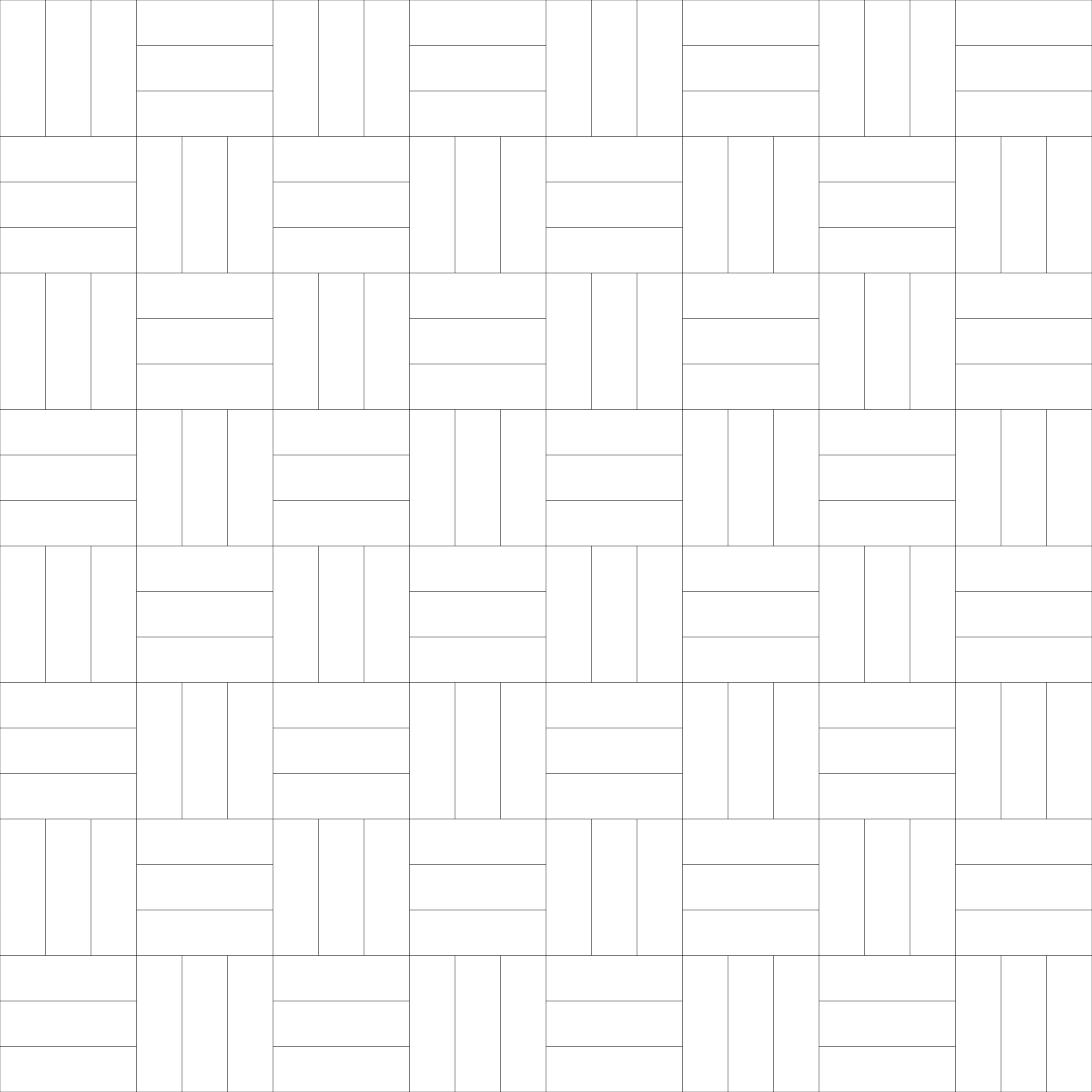
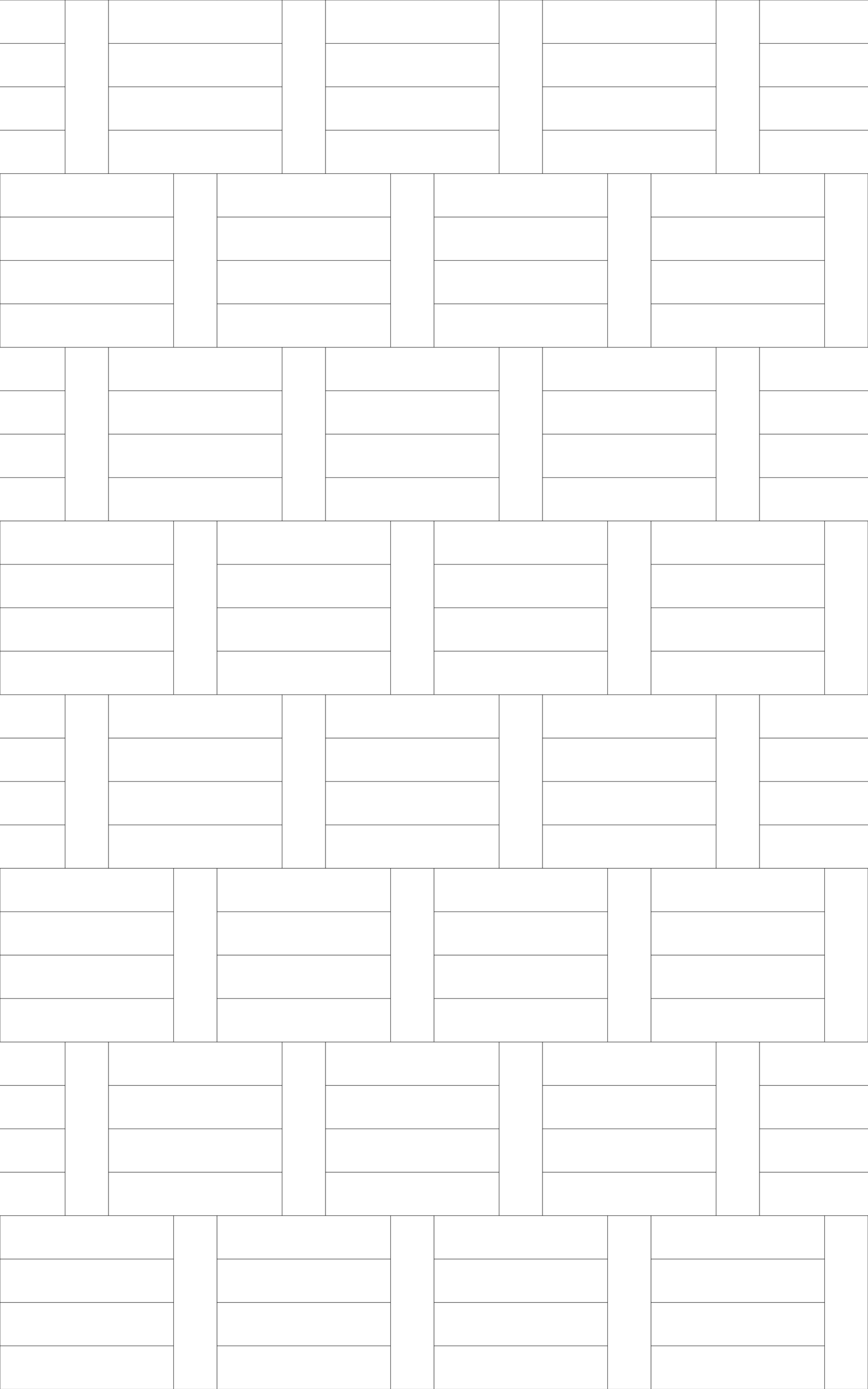
Block parquet (weave).pat.patSVGDXF
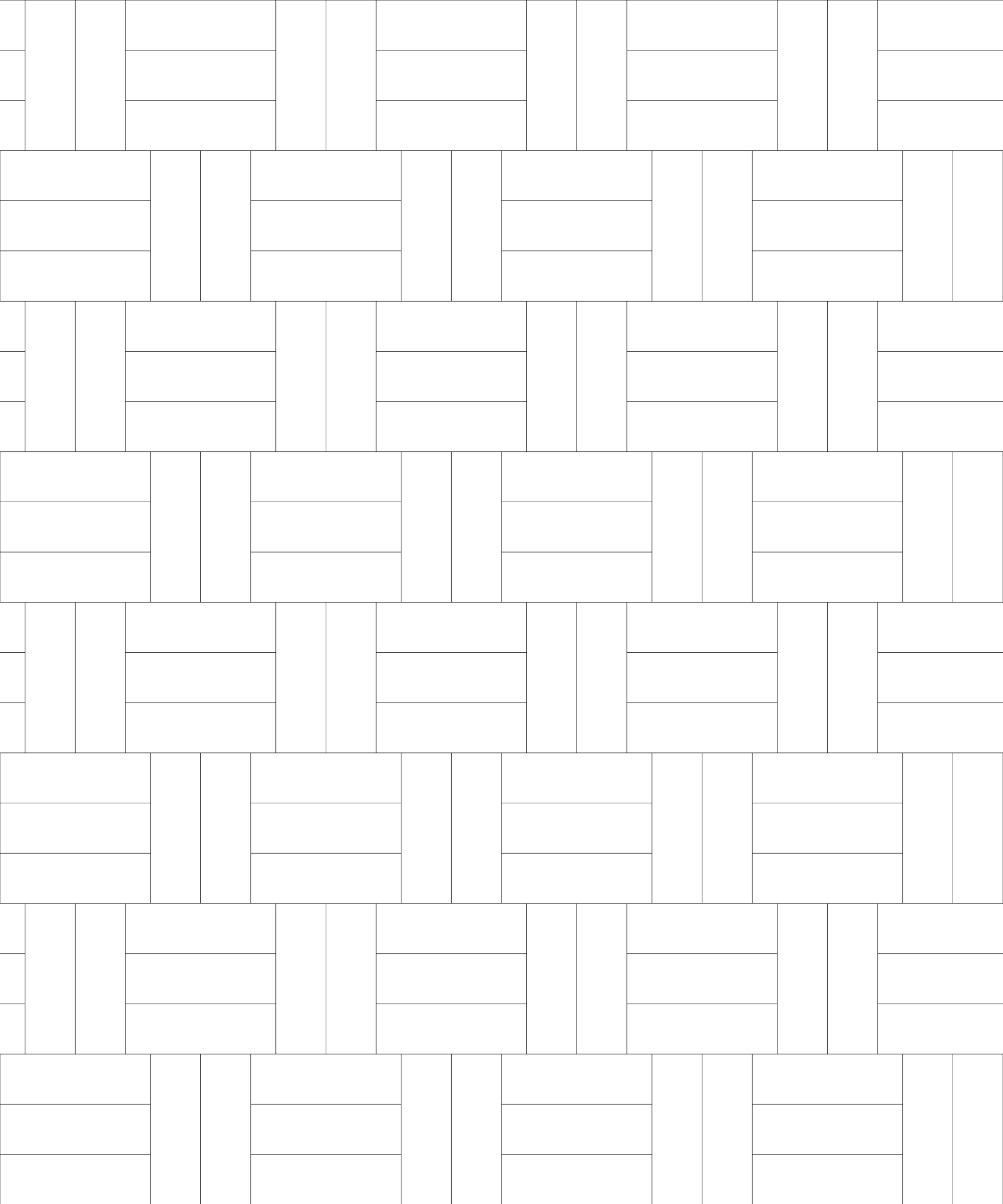
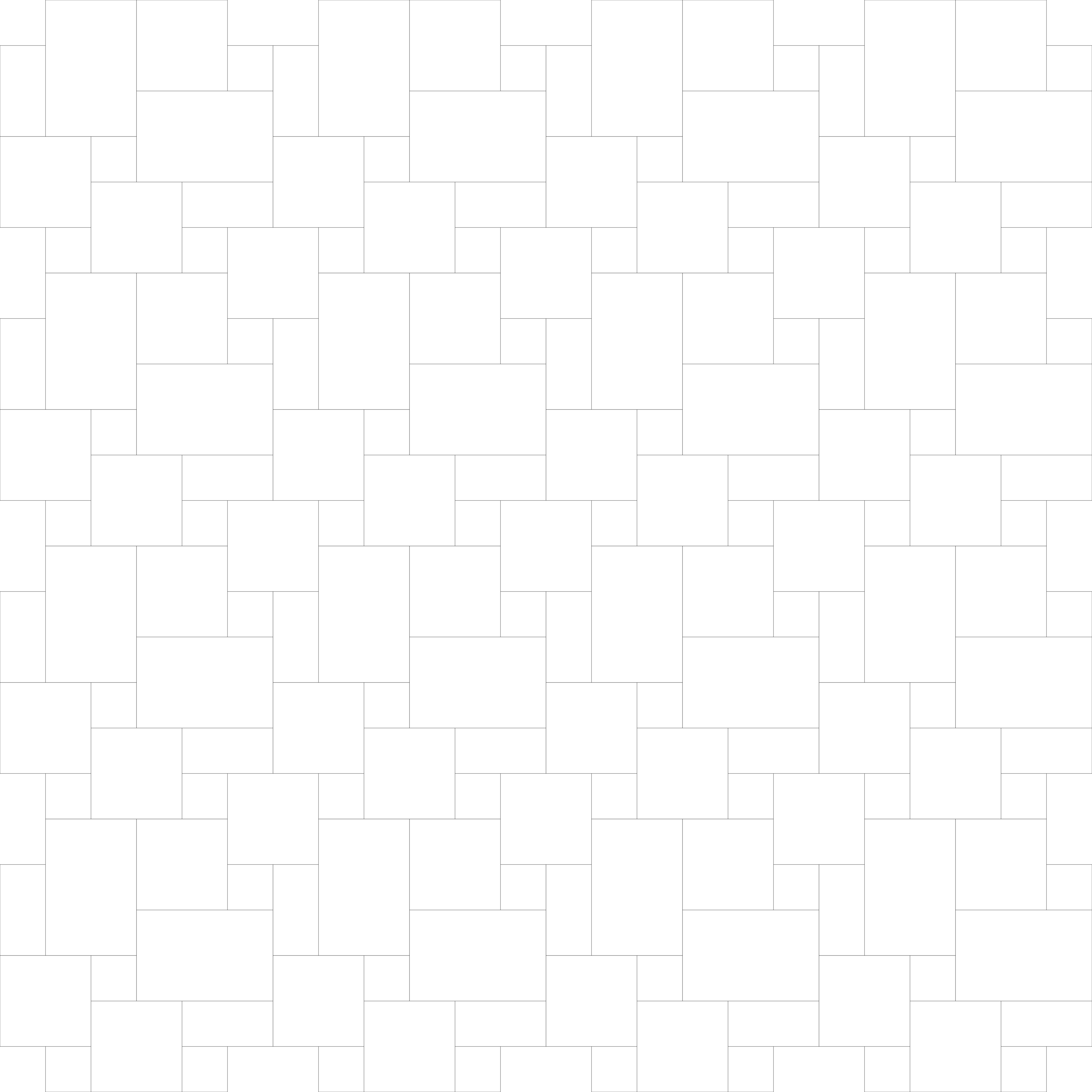
Chantilly weave.pat.patSVGDXF
Check parquet (7 strips).pat.patSVGDXF
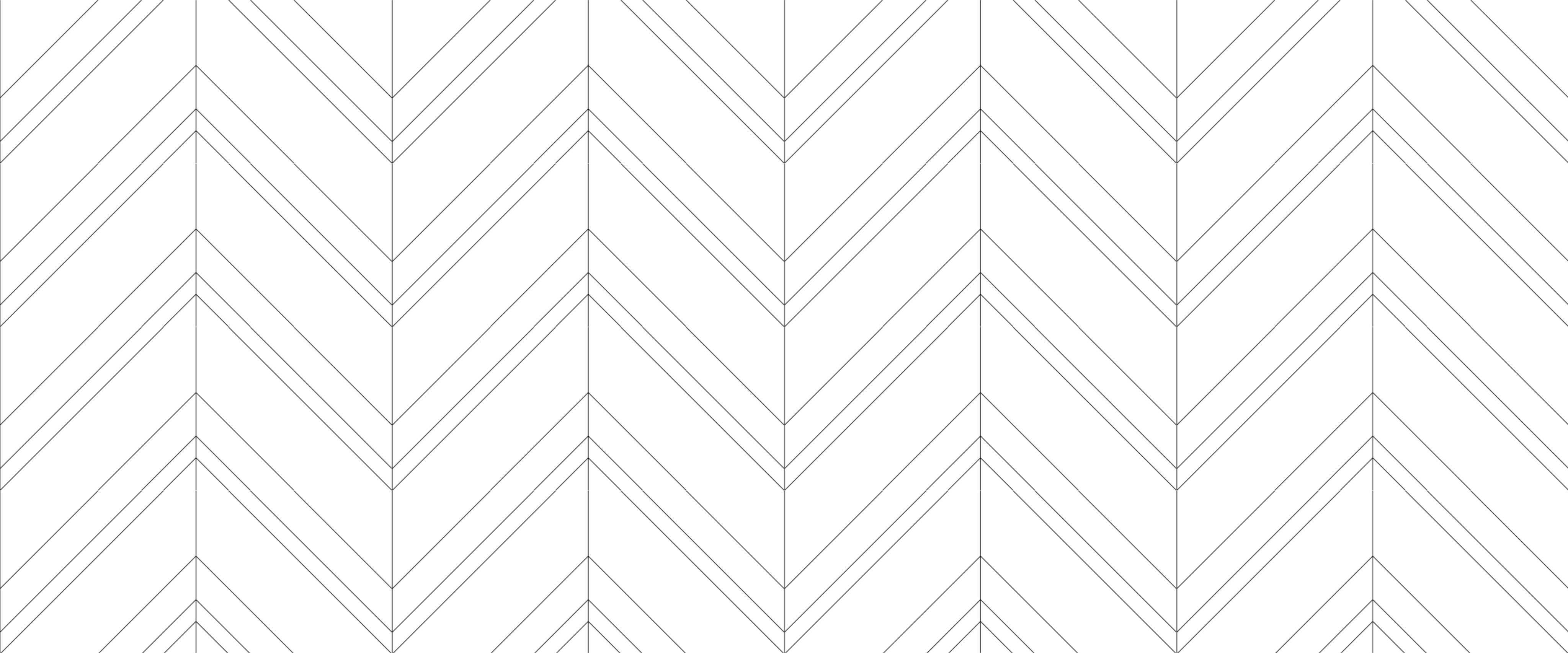
Chevron (three plank widths).pat ≈.pat ≈SVGDXF
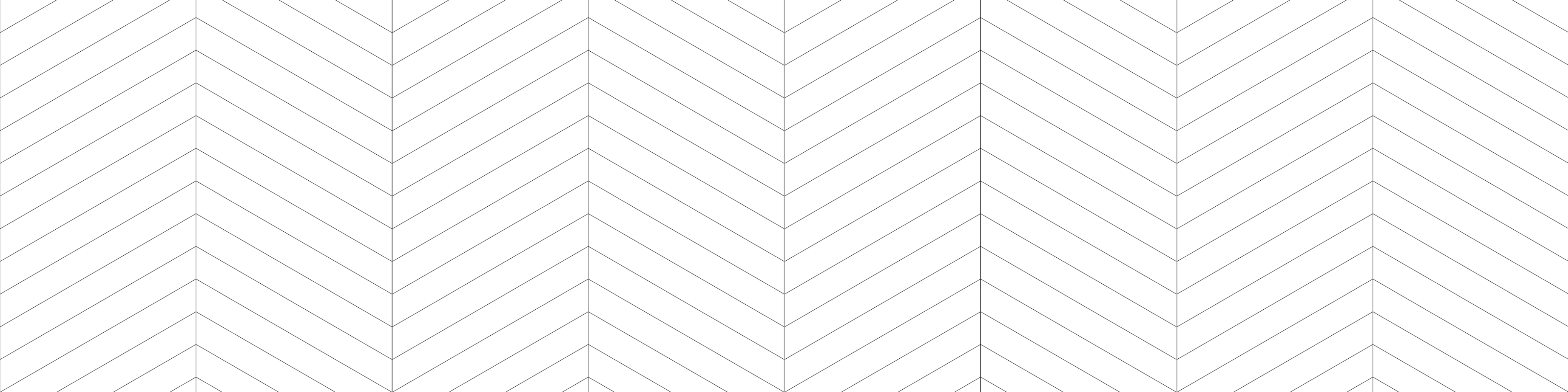
Chevron.pat ≈.pat ≈SVGDXF
Double chevron.pat ≈.pat ≈SVGDXF
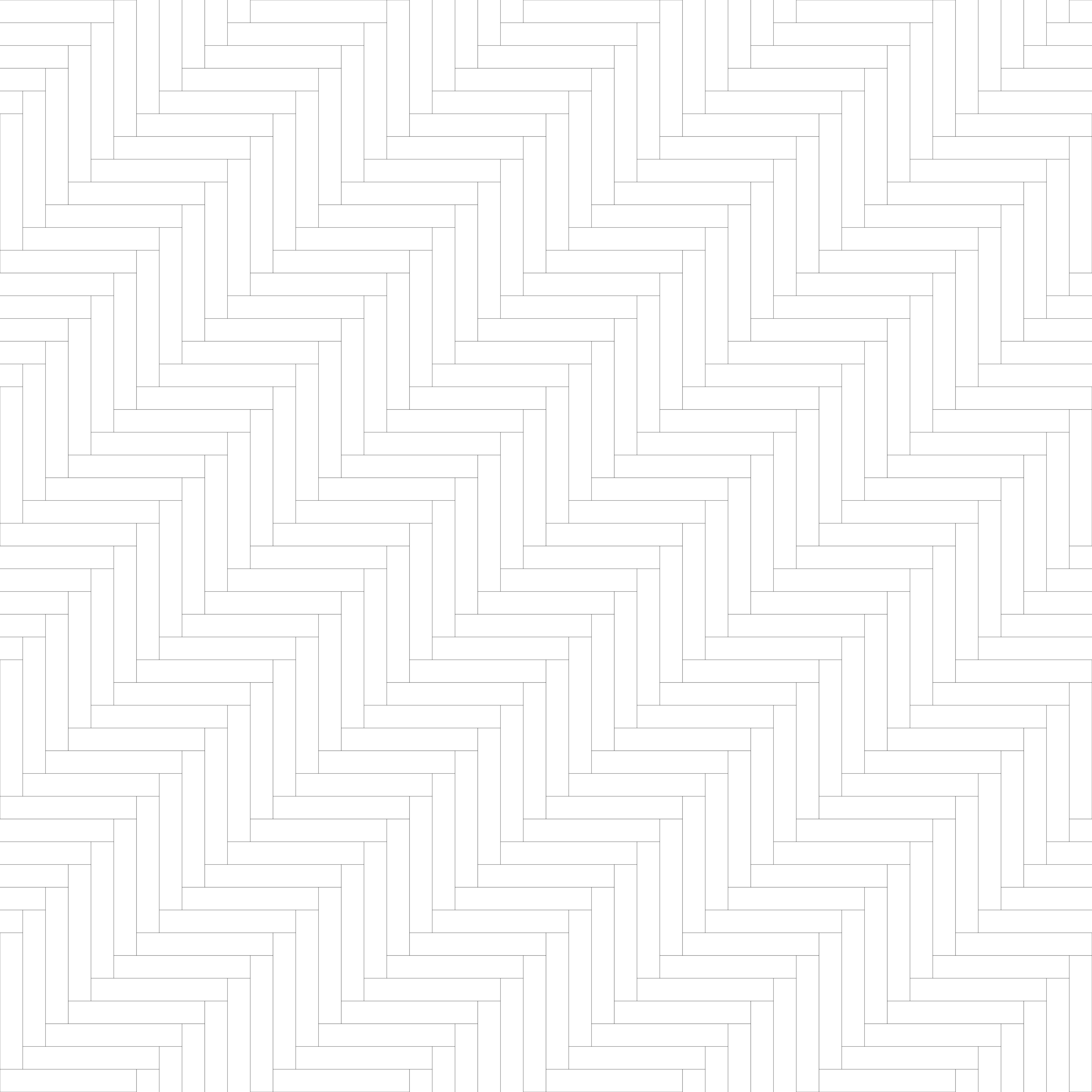
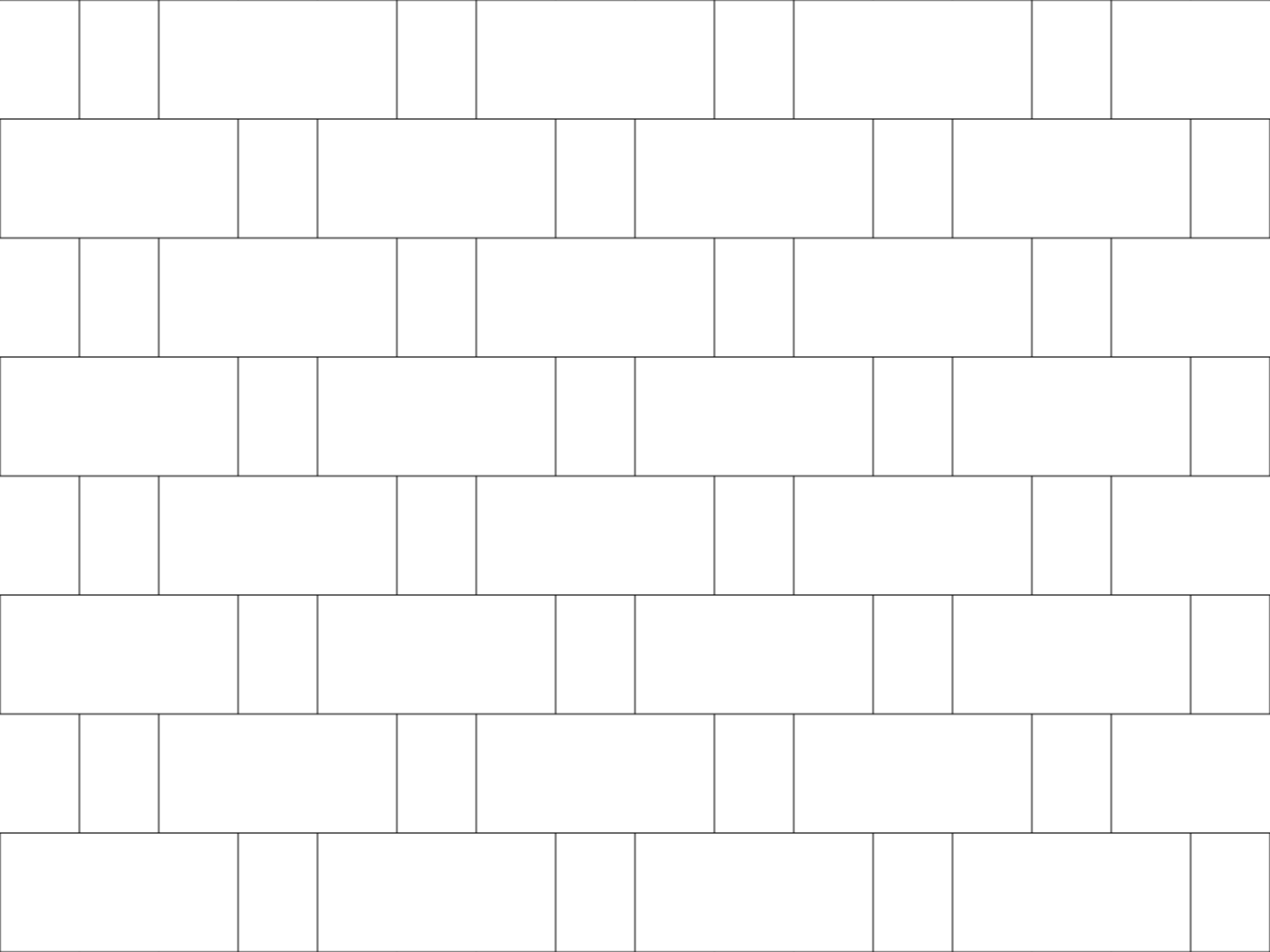
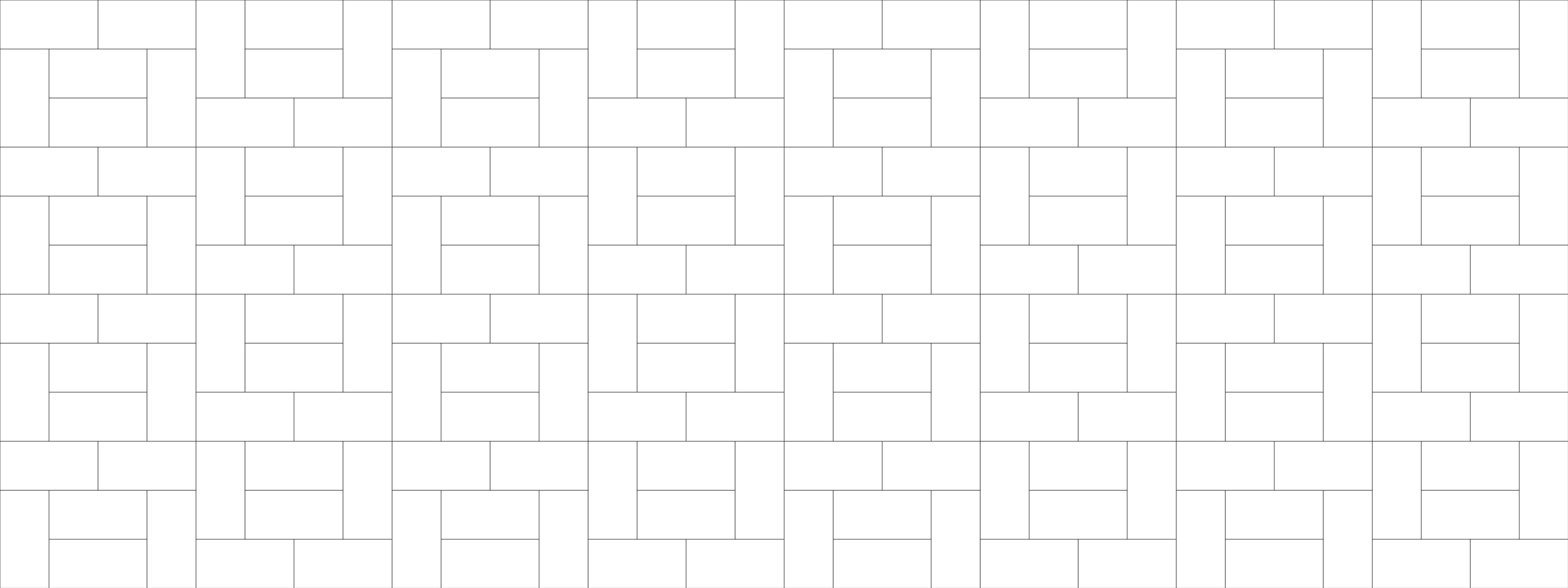
Double herringbone.pat.patSVGDXF
Gable parquet (wide strips).pat.patSVGDXF
Gable parquet.pat.patSVGDXF
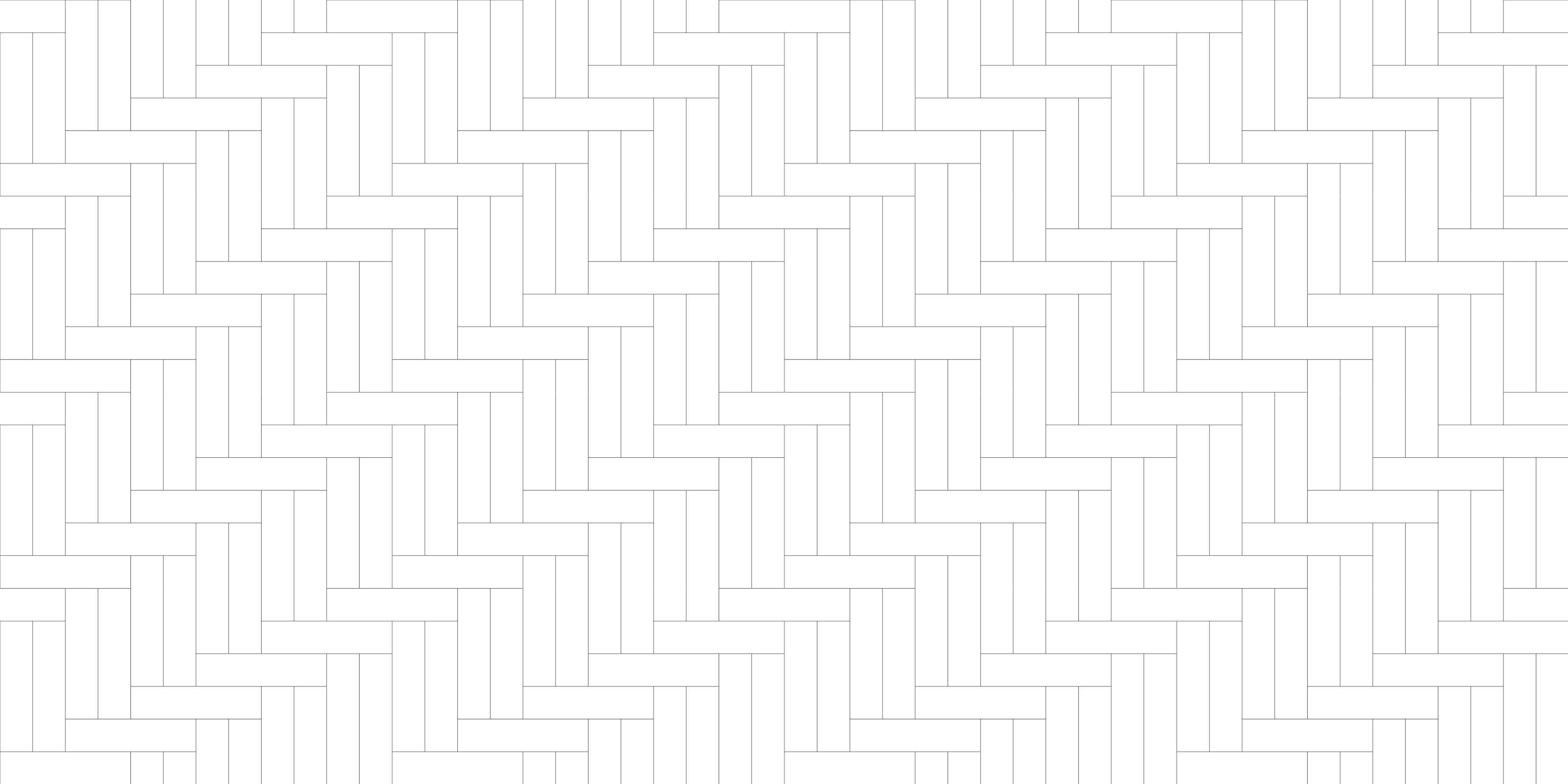
Herringbone.pat.patSVGDXF
Mixed width plank (3 widths).pat.patSVGDXF
Opus Romano (plank format).pat.patSVGDXF
Random plank (narrow).pat.patSVGDXF
Random plank (ship deck).pat.patSVGDXF
Random plank (end-matched strip).pat.patSVGDXF
Random plank (three lengths).pat.patSVGDXF
Random plank (wide).pat.patSVGDXF
Random plank.pat.patSVGDXF
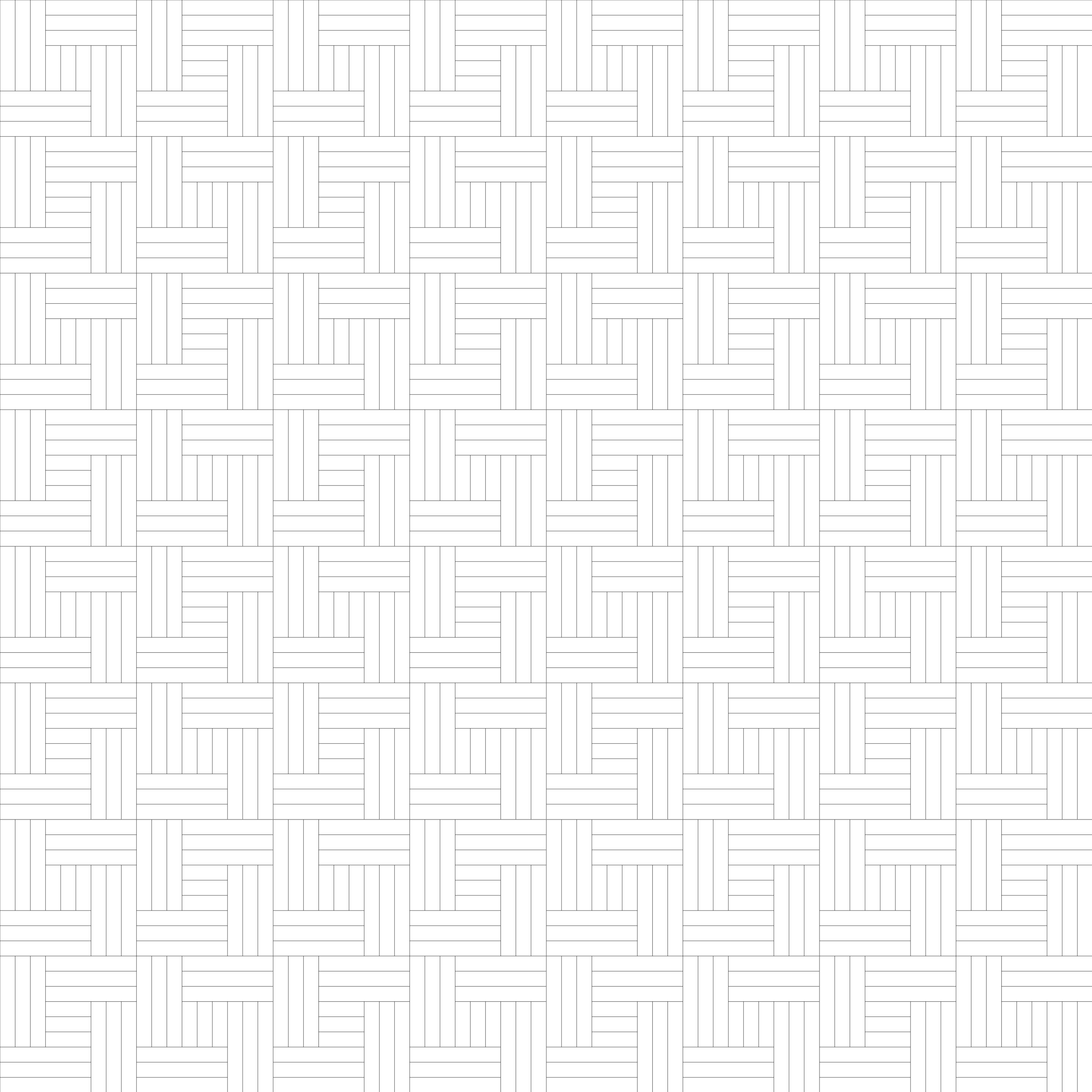
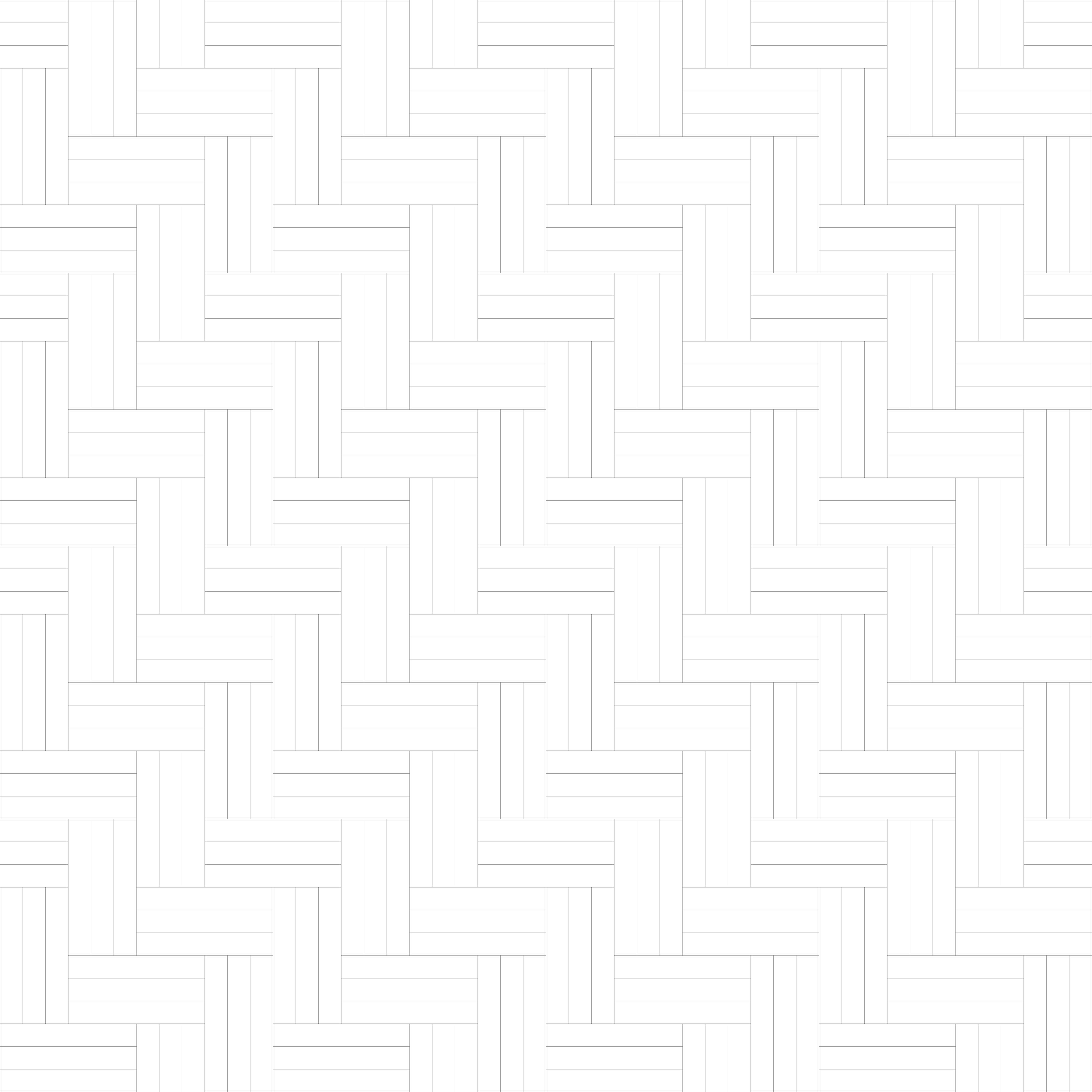
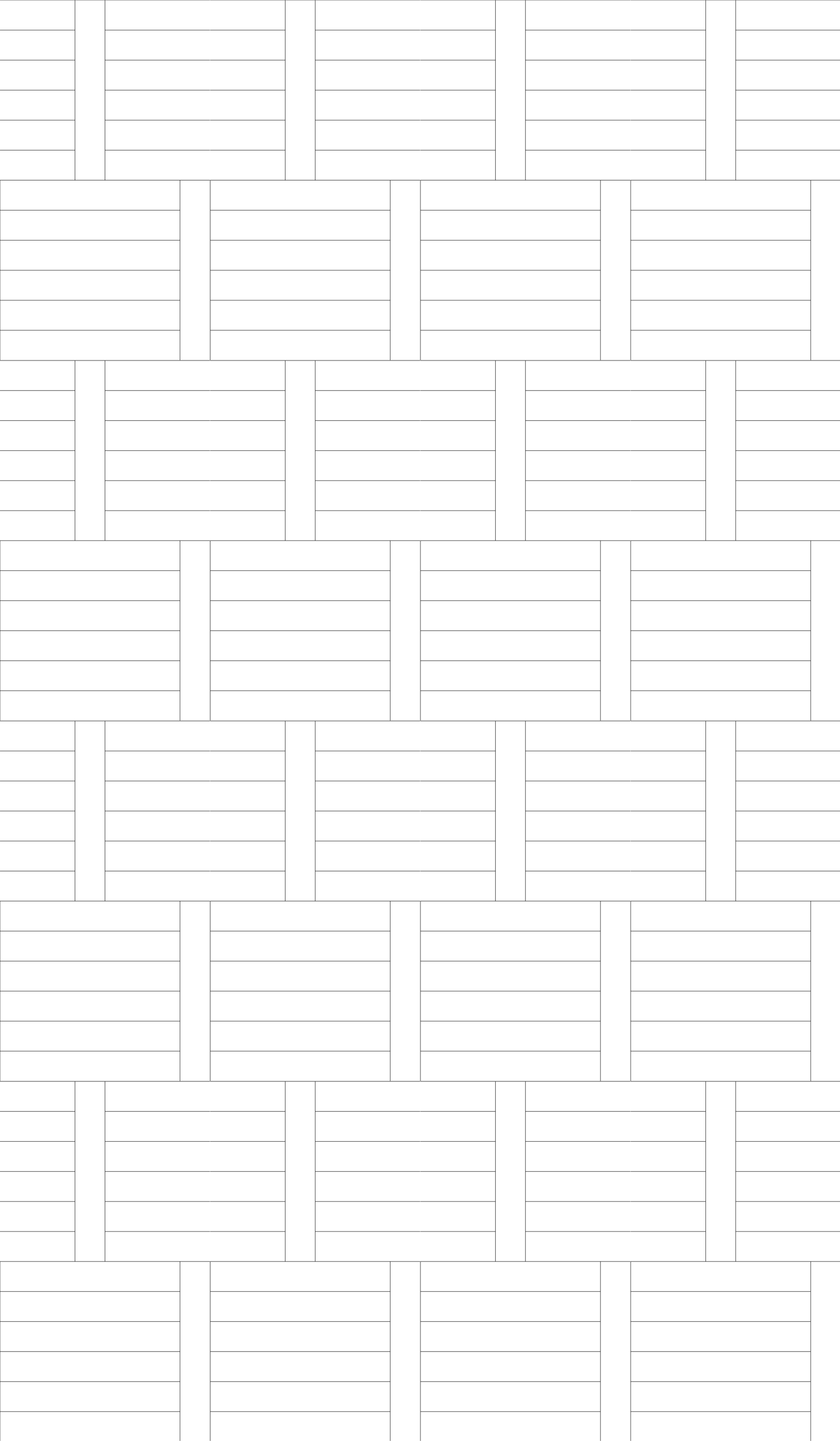
Triple basketweave.pat.patSVGDXF
Triple chevron.pat ≈.pat ≈SVGDXF
Triple herringbone.pat.patSVGDXF
Brick bonds
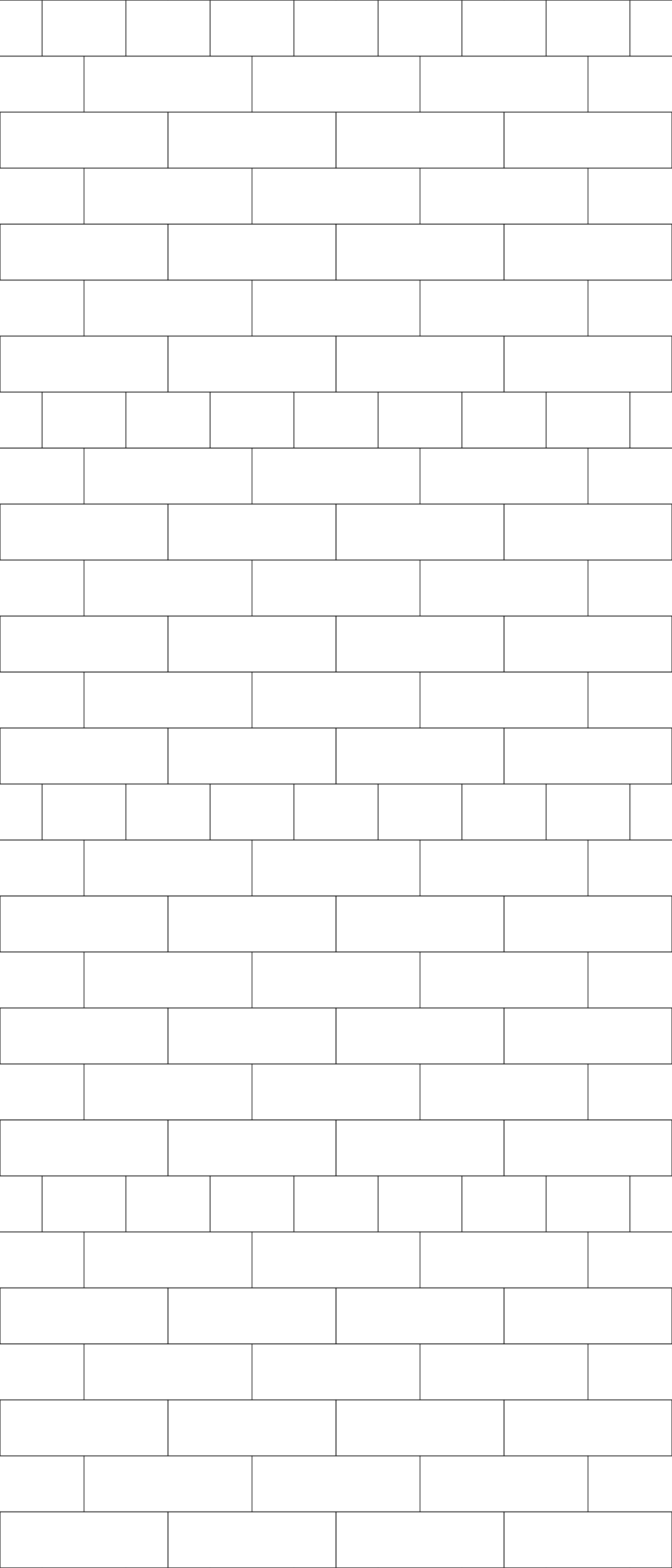
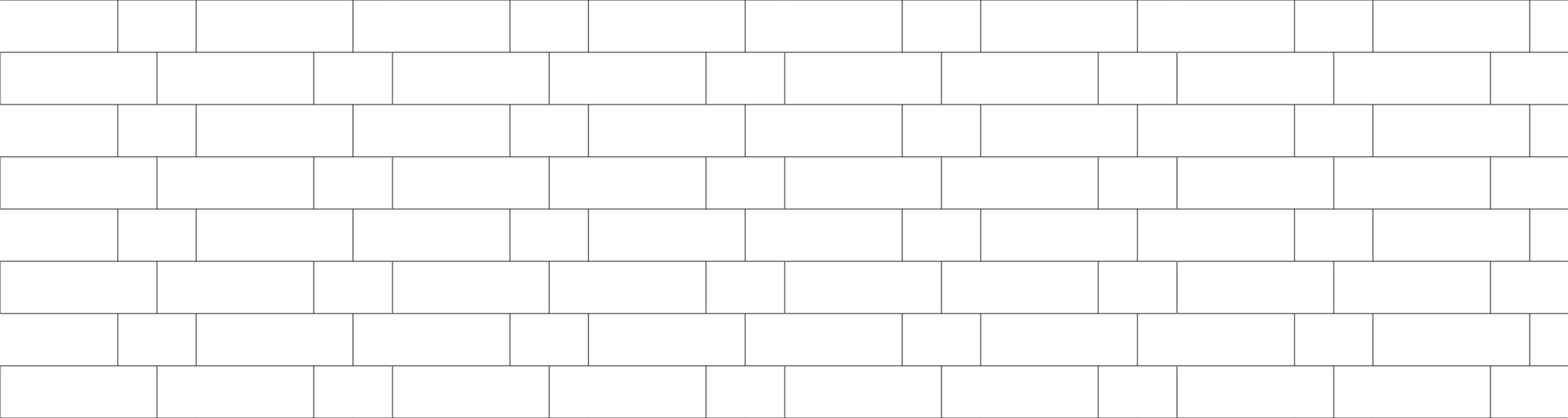
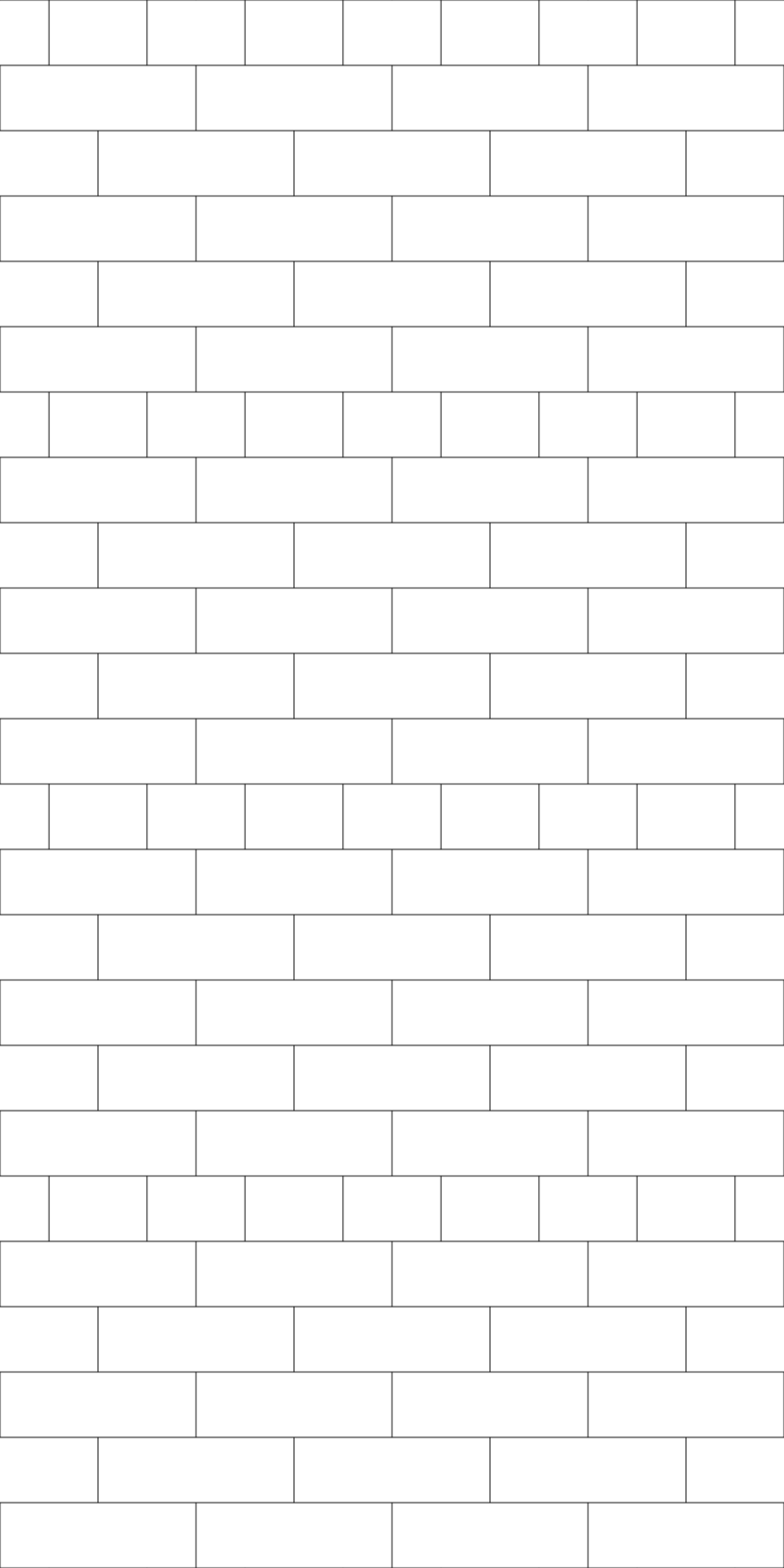
Common bond (6 stretcher courses per header course).pat.patSVGDXF
Dearne's bond.pat.patSVGDXF
Double Flemish bond (paired courses).pat.patSVGDXF
Double stretcher bond (paired courses).pat.patSVGDXF
Dutch bond.pat.patSVGDXF
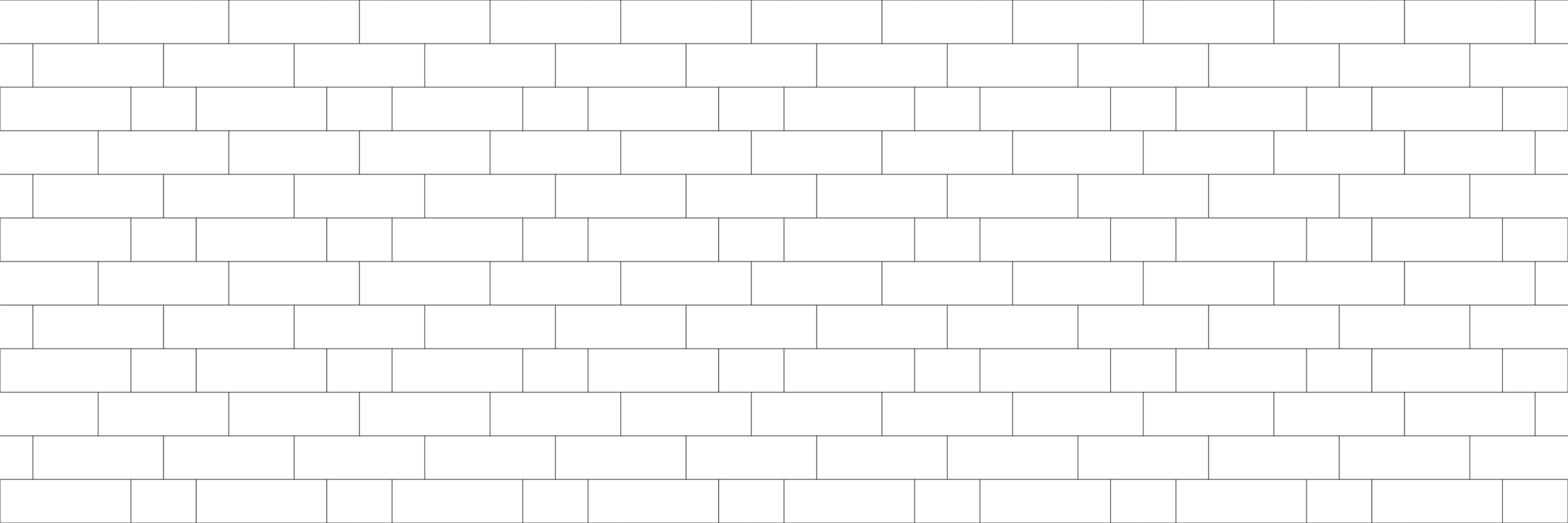
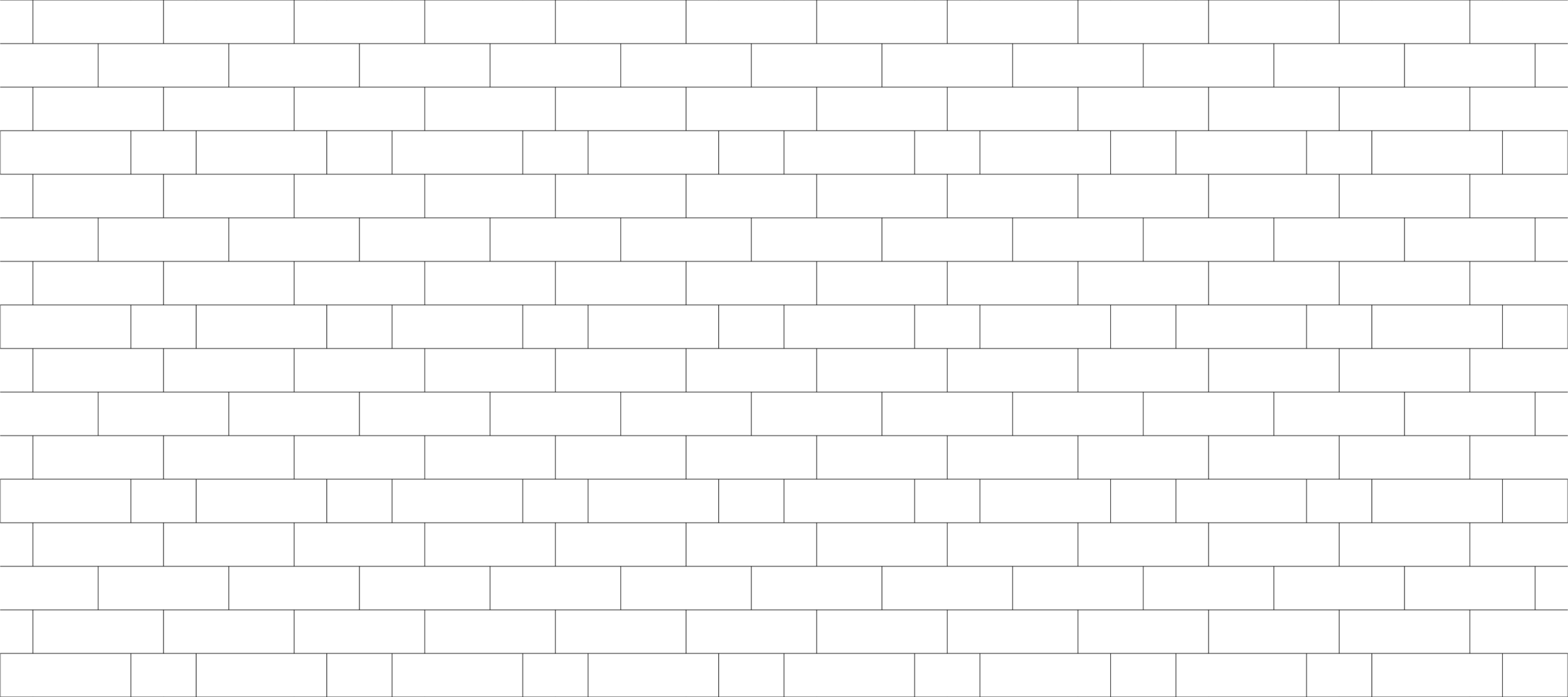
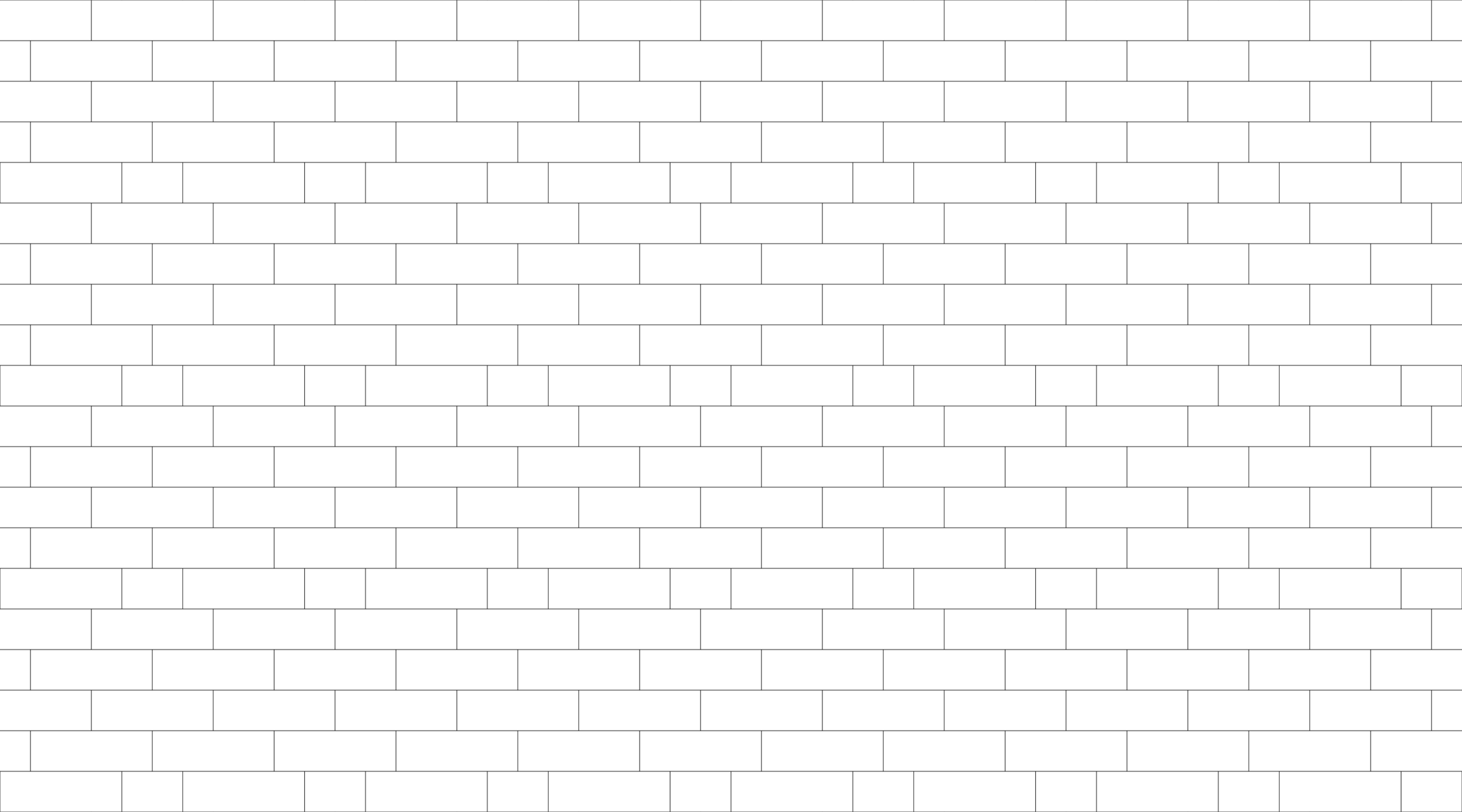
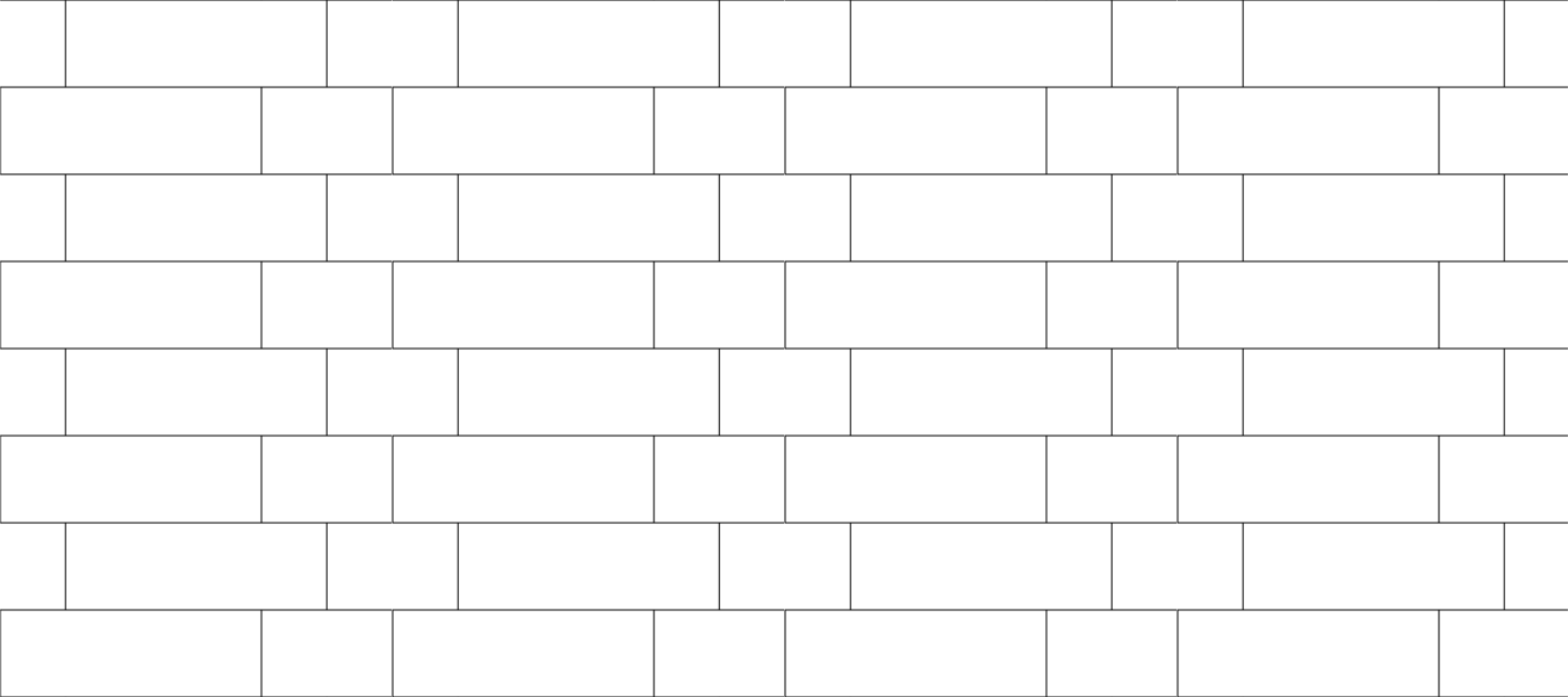
English bond.pat.patSVGDXF
English cross bond.pat.patSVGDXF
English garden wall bond.pat.patSVGDXF
Flemish bond.pat.patSVGDXF
Flemish garden wall bond.pat.patSVGDXF
Flemish stretcher bond (1 stretcher course).pat.patSVGDXF
Flemish stretcher bond (2 stretcher courses).pat.patSVGDXF
Flemish stretcher bond (3 stretcher courses).pat.patSVGDXF
Flemish stretcher bond (4 stretcher courses).pat.patSVGDXF
Gothic bond.pat.patSVGDXF
Header bond.pat.patSVGDXF
Monk bond.pat.patSVGDXF
Rat-trap bond.pat.patSVGDXF
Scottish bond.pat.patSVGDXF
Silesian bond.pat.patSVGDXF
Single basket weave bond.pat.patSVGDXF
Triple Flemish bond (tripled courses).pat.patSVGDXF
Triple stretcher bond (tripled courses).pat.patSVGDXF
Stone, paving and cobble
Ashlar.pat.patSVGDXF
Cobblestone.pat.patSVGDXF
Crazy paving.pat ≈.pat ≈SVGDXF
Hopscotch.pat.patSVGDXF
Irregular cobble.pat ≈.pat ≈SVGDXF
Muster K.pat.patSVGDXF
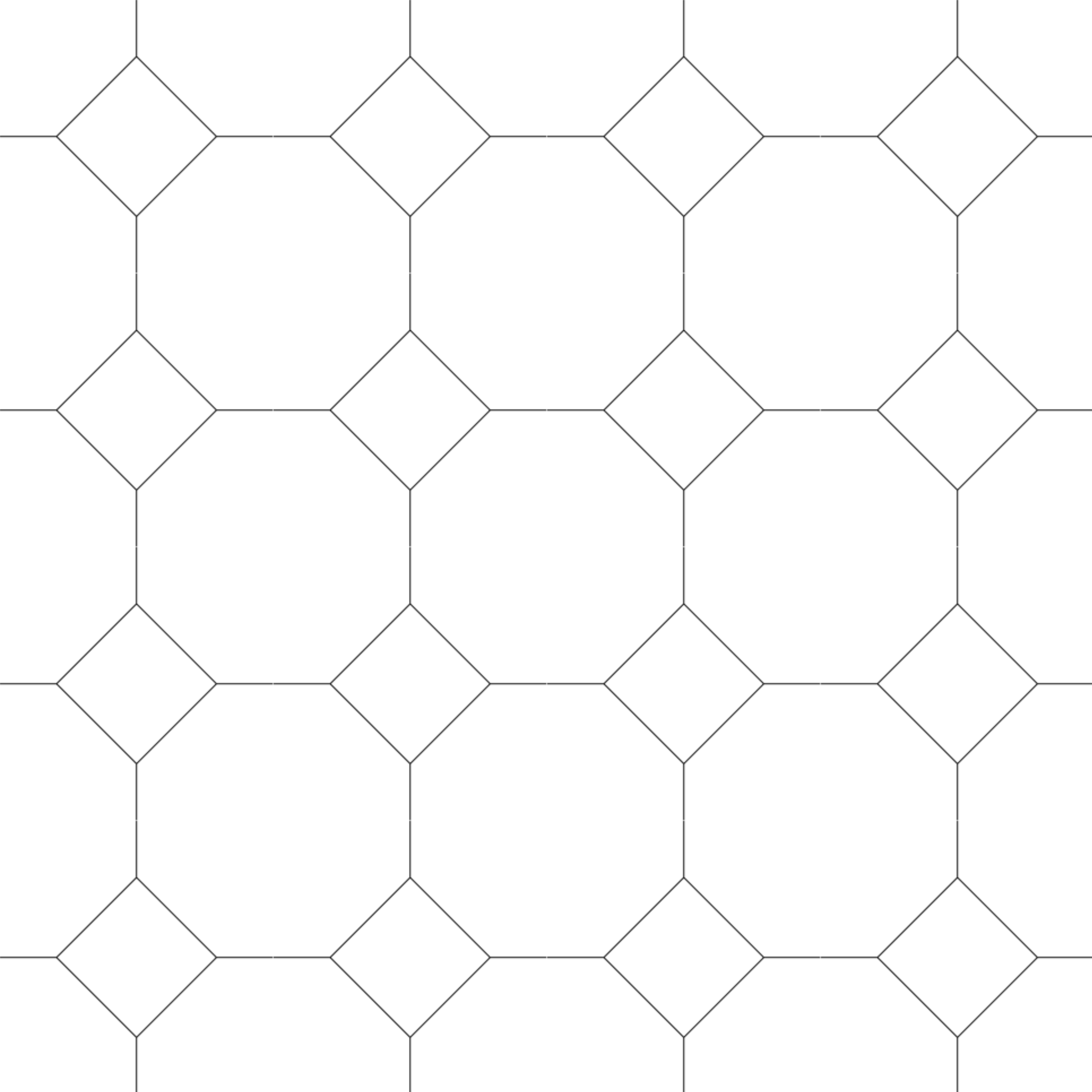
Octagon and dot.pat.patSVGDXF
Opus Romano (three sizes).pat.patSVGDXF
Opus Romano.pat.patSVGDXF
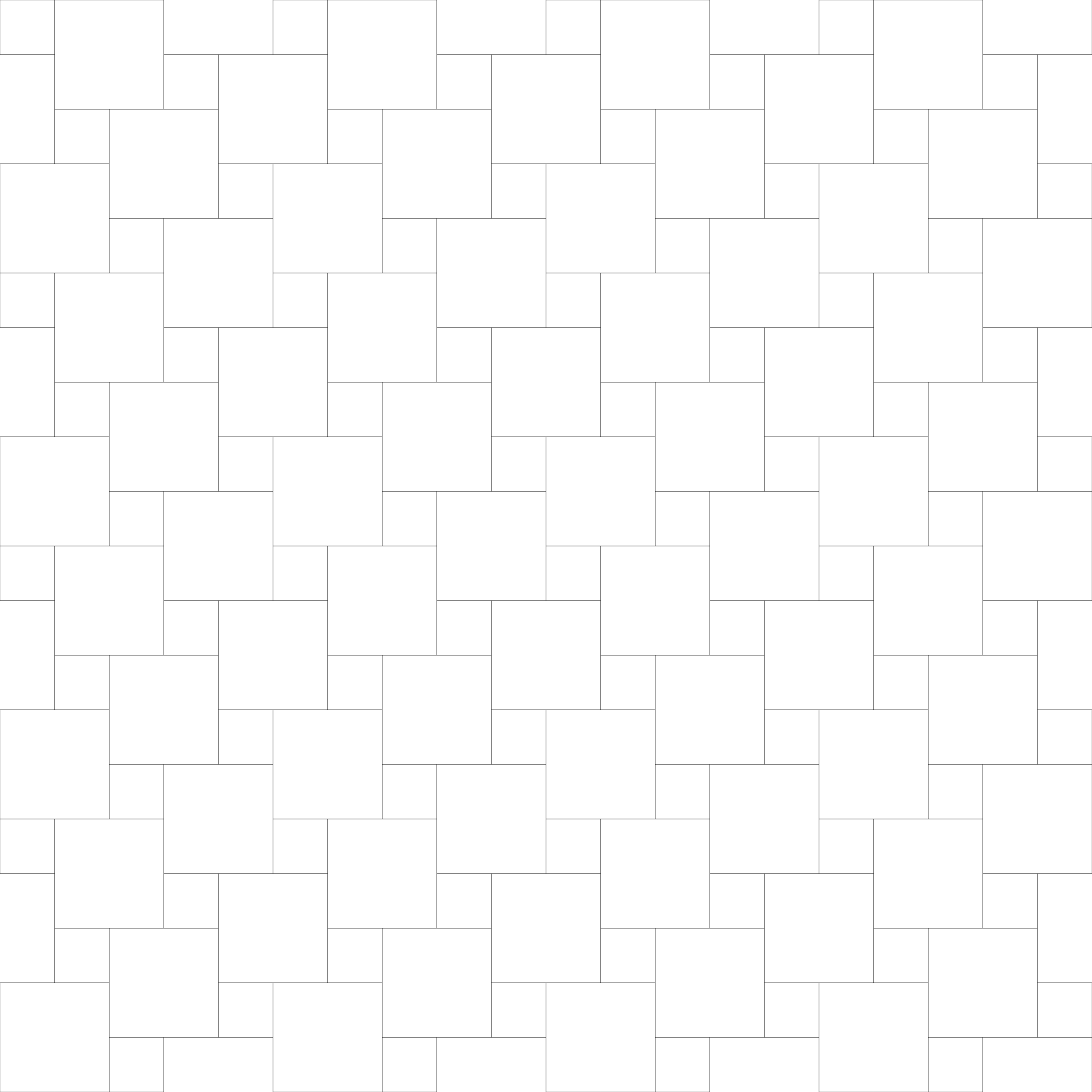
Paver 12x12, 4x8 and 4x4.pat.patSVGDXF
Paver 3x18, 9x18 and 18x18.pat.patSVGDXF
Paver 3x6 and 6x6.pat.patSVGDXF
Paver 8x8 and 4x4.pat.patSVGDXF
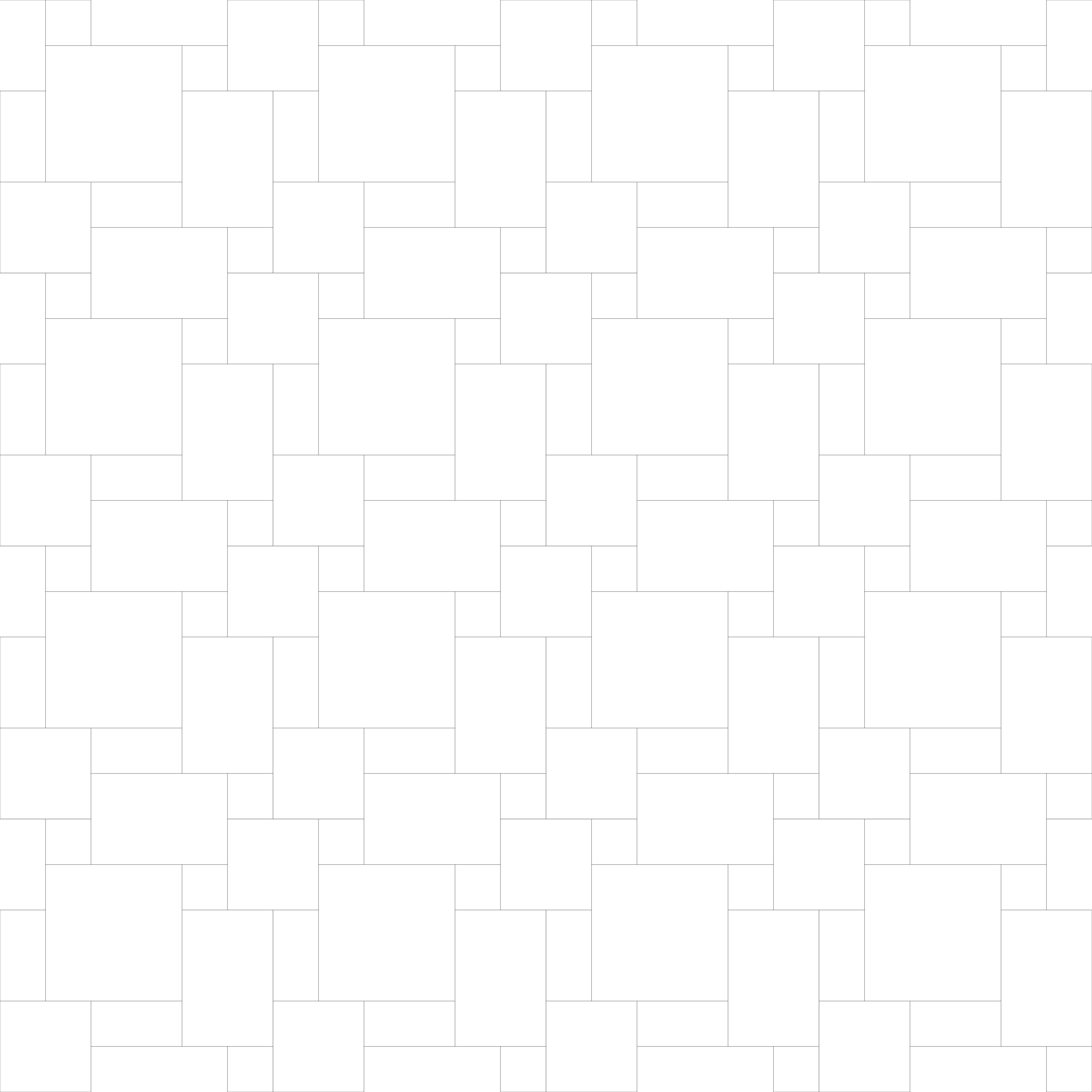
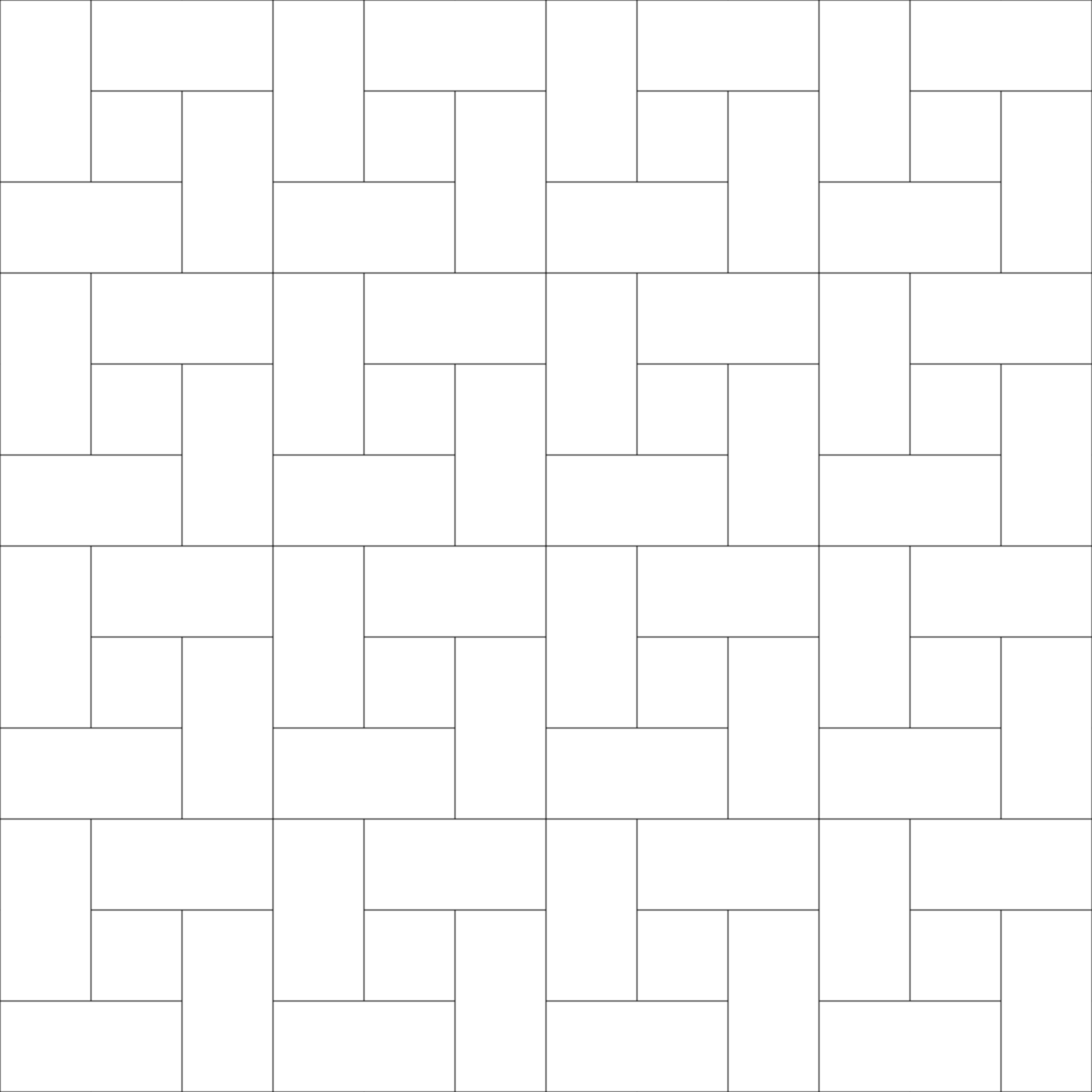
Paver basketweave 1:2.pat.patSVGDXF
Paver basketweave 1:3.pat.patSVGDXF
Paver basketweave 1:4.pat.patSVGDXF
Paver basketweave 1:6.pat.patSVGDXF
Paver basketweave 2:3.pat.patSVGDXF
Paver basketweave 2:4.pat.patSVGDXF
Paver basketweave 2:6.pat.patSVGDXF
Paver basketweave 3:4.pat.patSVGDXF
Paver basketweave 3:6.pat.patSVGDXF
Paver basketweave offset with square.pat.patSVGDXF
Paver basketweave traditional.pat.patSVGDXF
Paver basketweave variation.pat.patSVGDXF
Paver herringbone 1:2.pat.patSVGDXF
Paver herringbone with square.pat.patSVGDXF
Random flagstone (large).pat ≈.pat ≈SVGDXF
Rubble wall.pat ≈.pat ≈SVGDXF
Versailles (alternate layout).pat.patSVGDXF
Versailles.pat.patSVGDXF
Ceramic, mosaic and geometric tiles
Arabesque.pat ≈.pat ≈SVGDXF
Basketweave with dot.pat.patSVGDXF
Cairo.pat.patSVGDXF
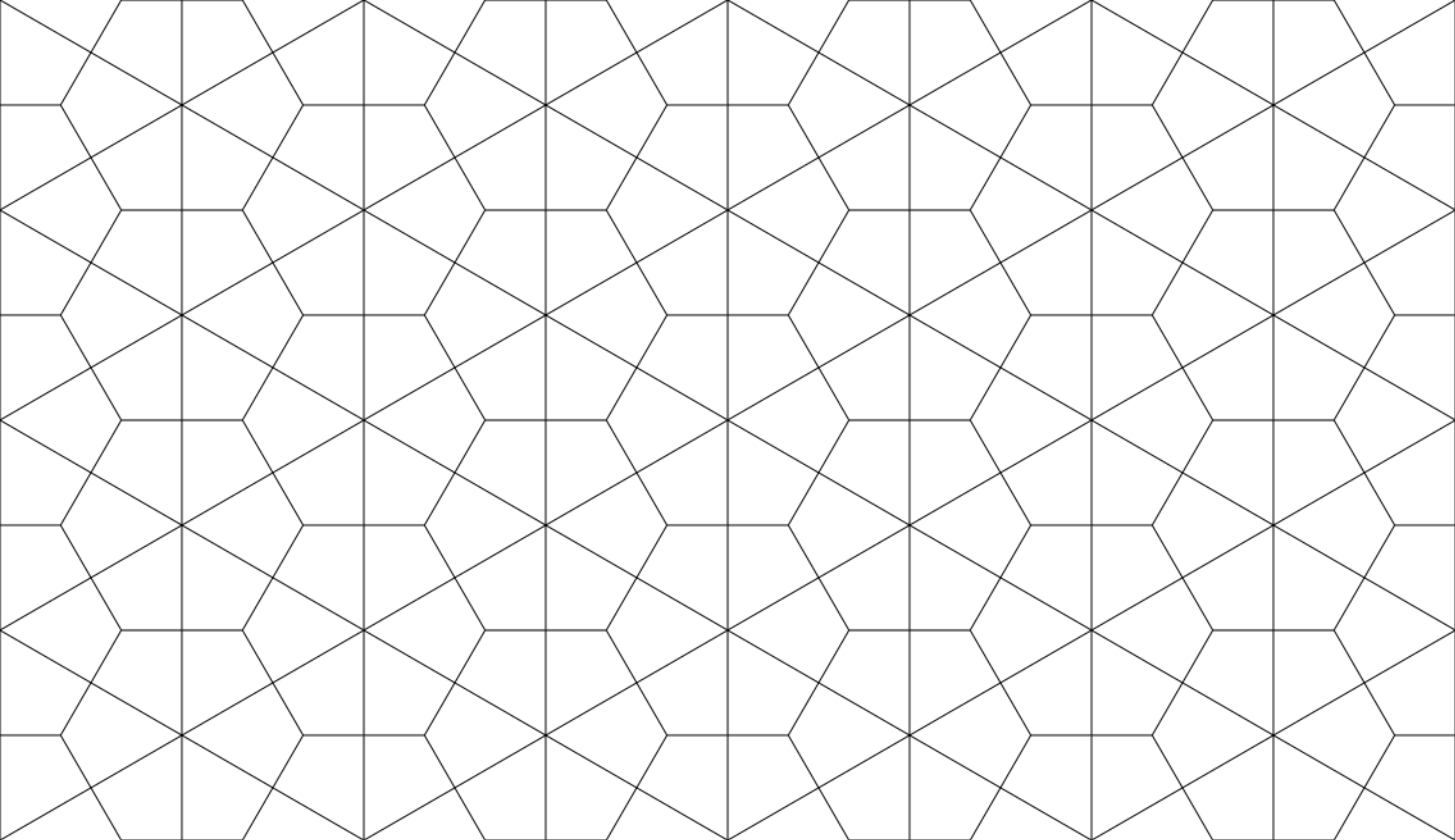
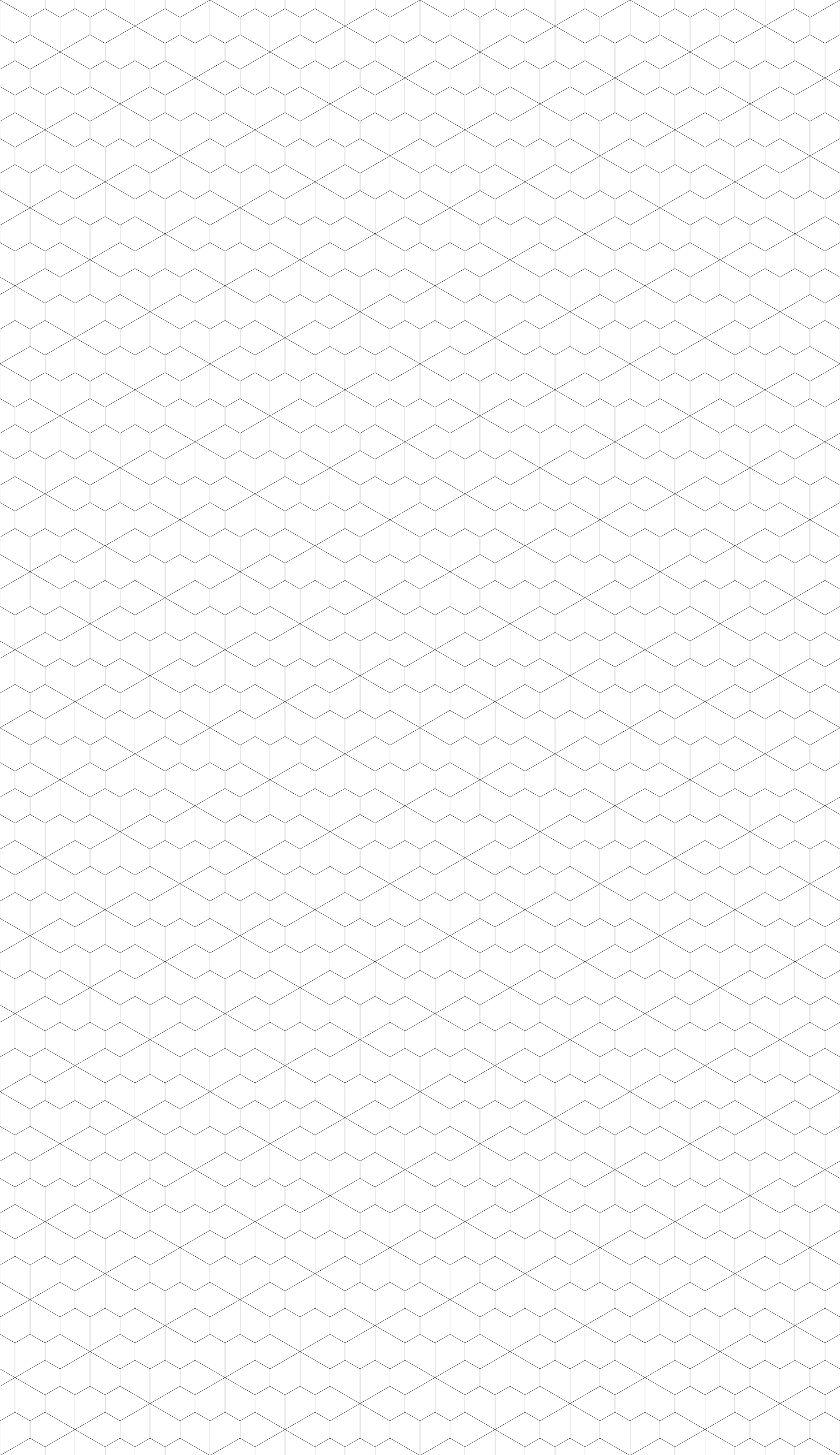
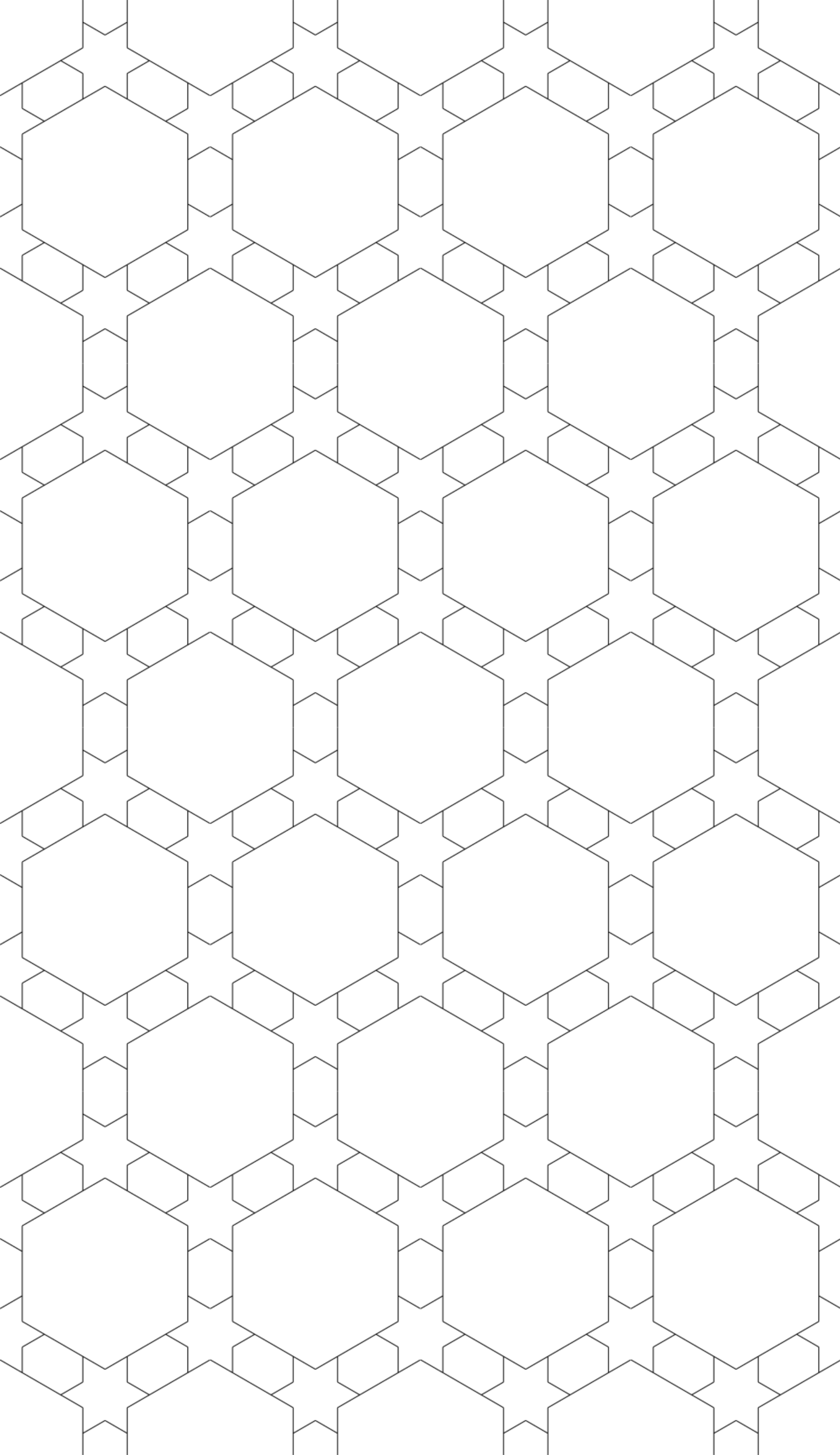
Kite (deltoidal trihexagonal).pat.patSVGDXF
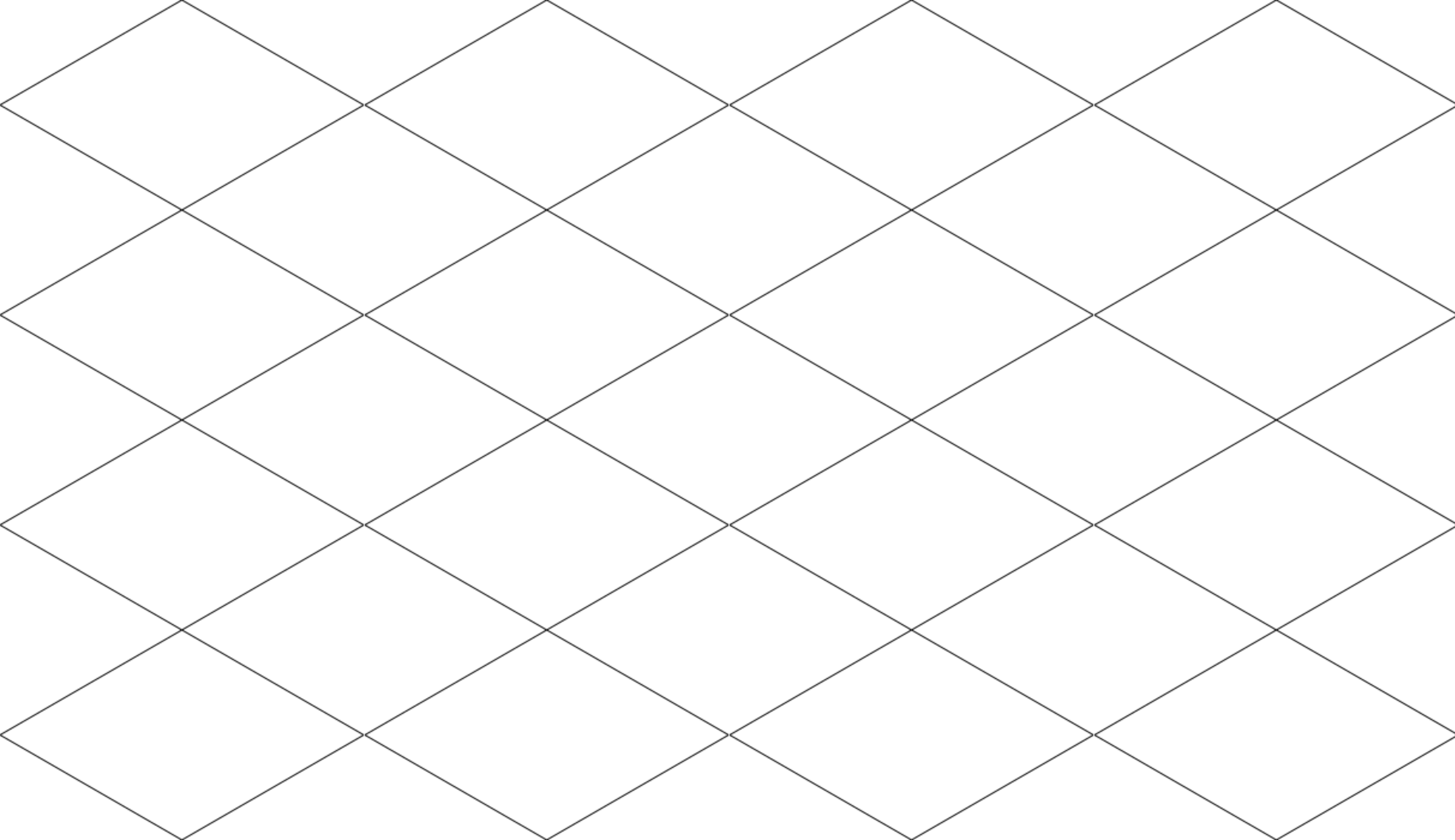
Diamond.pat.patSVGDXF
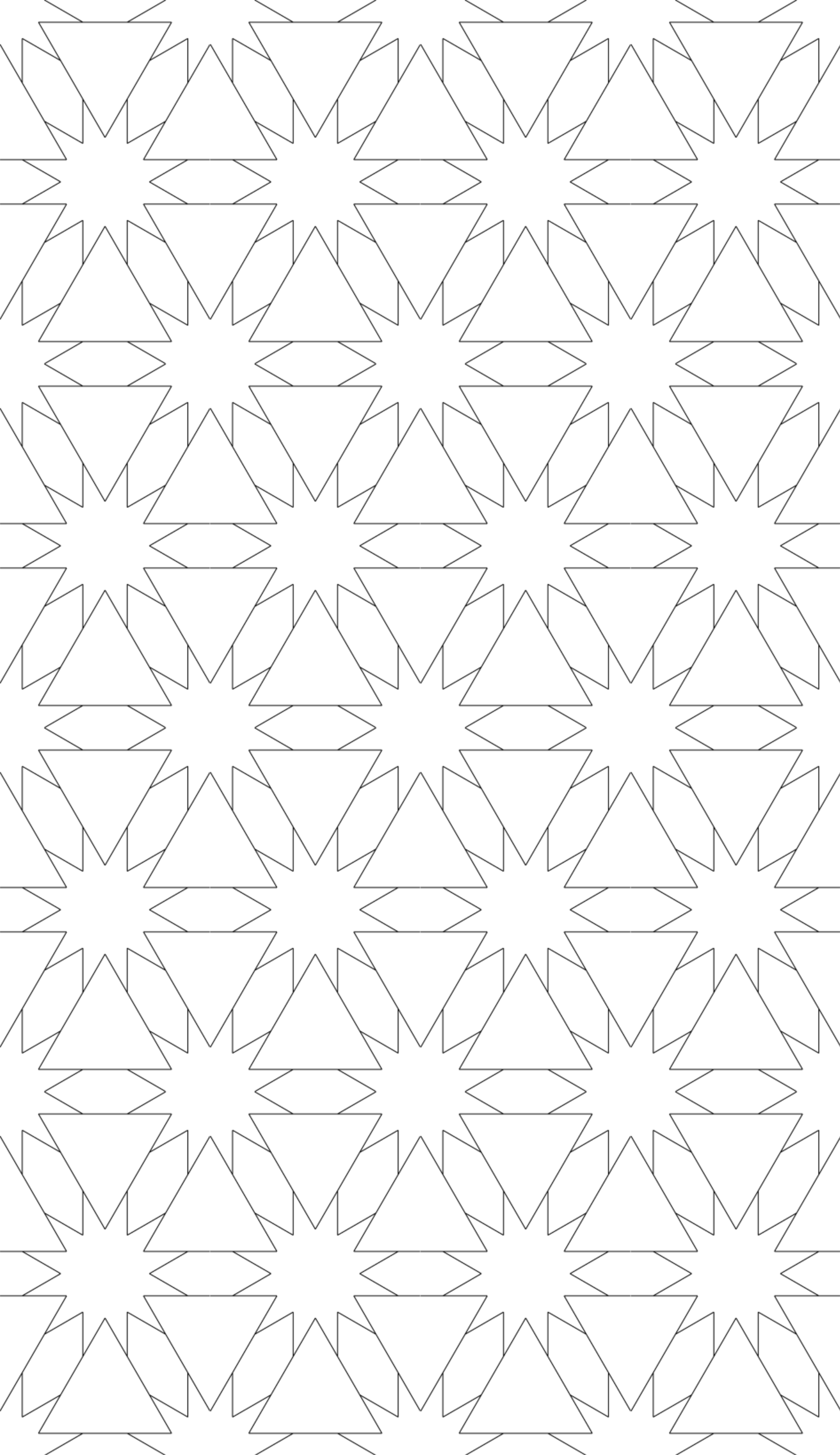
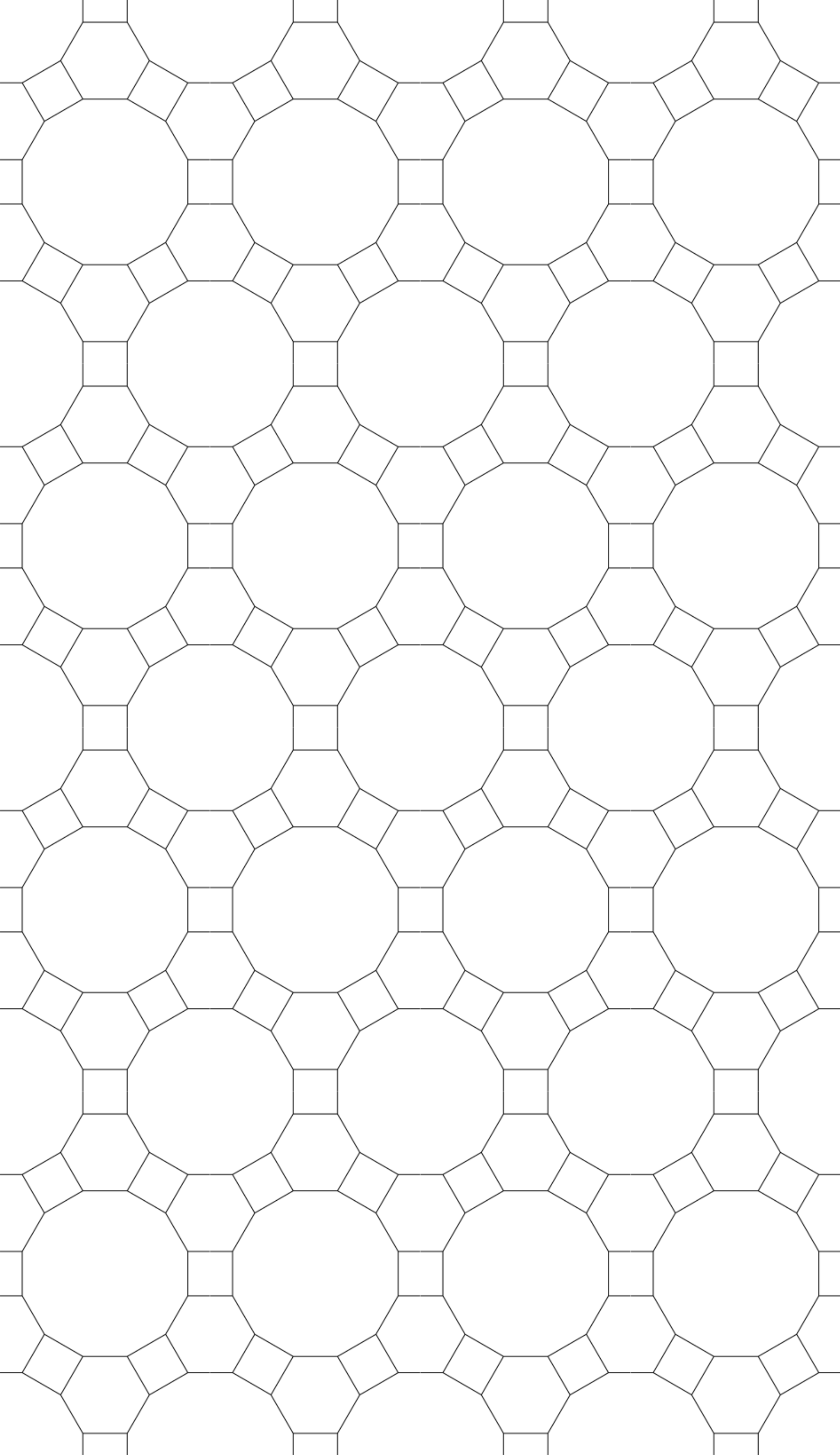
Dodecagram and hexagon.pat.patSVGDXF
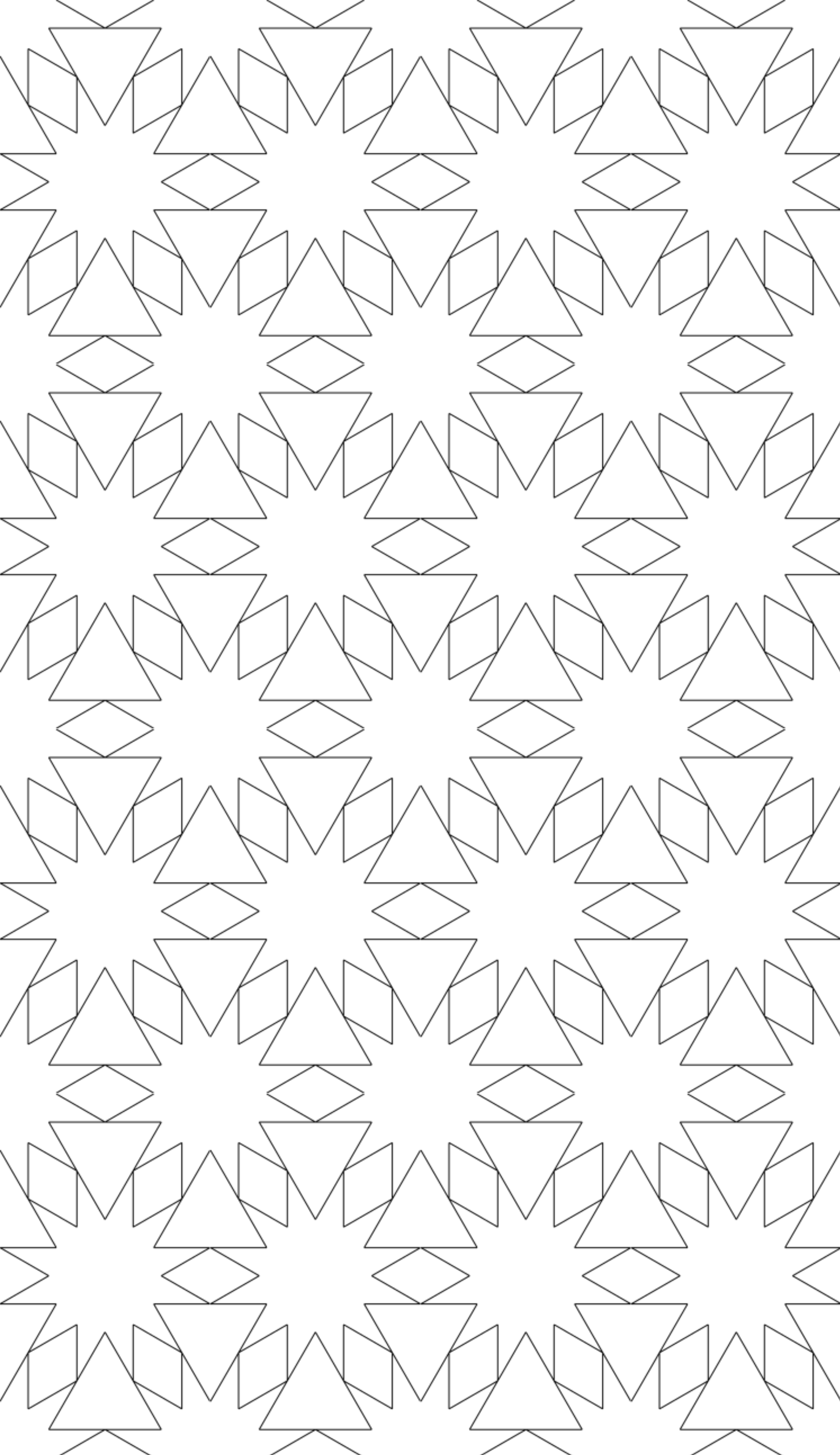
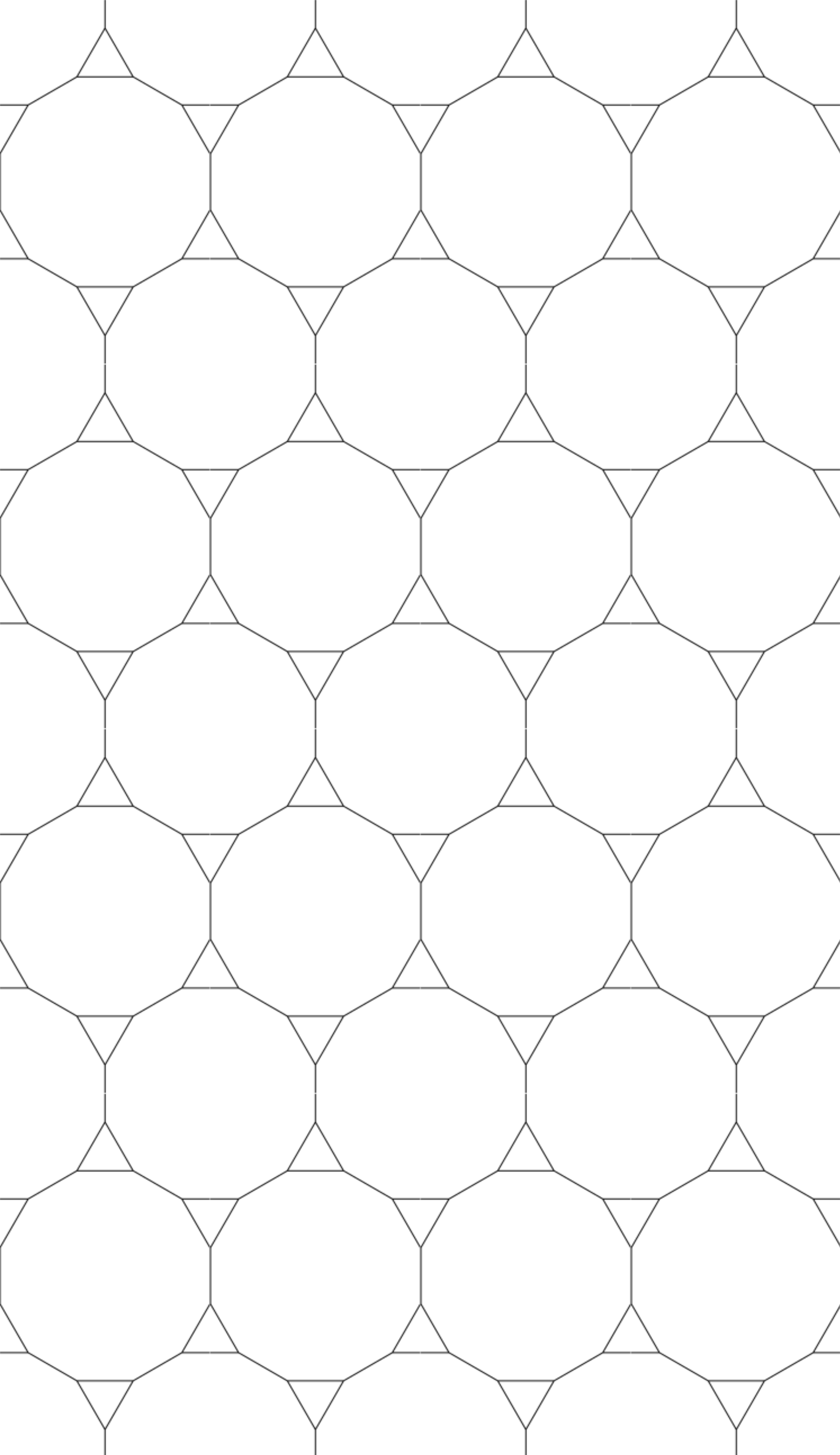
Dodecagram and triangle.pat.patSVGDXF
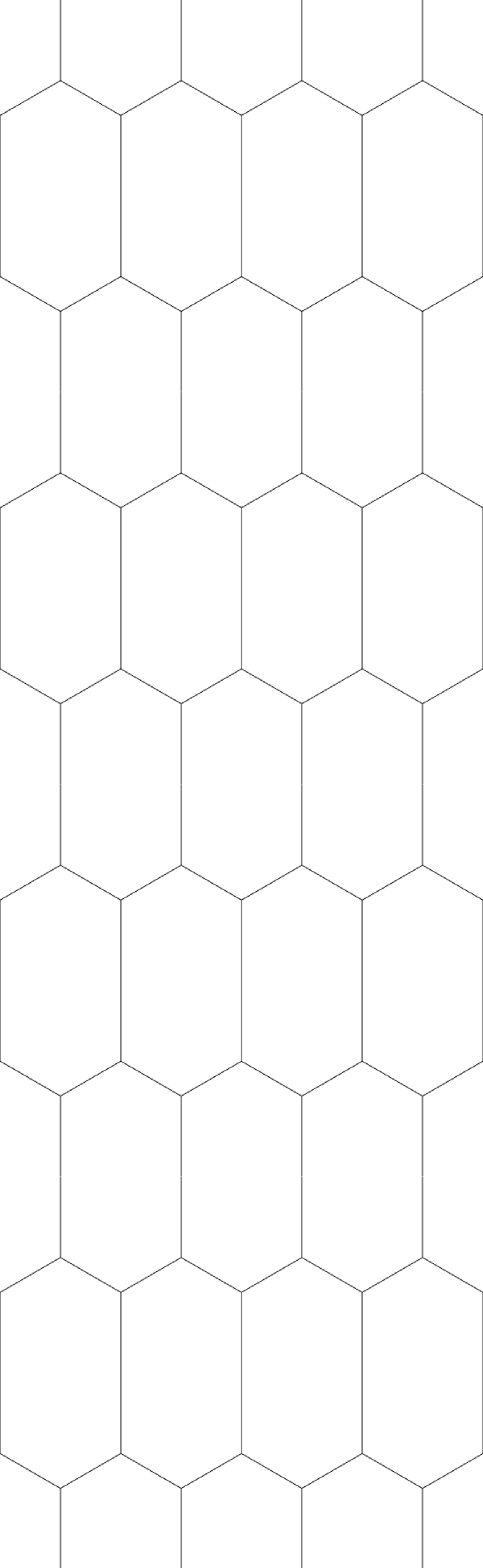
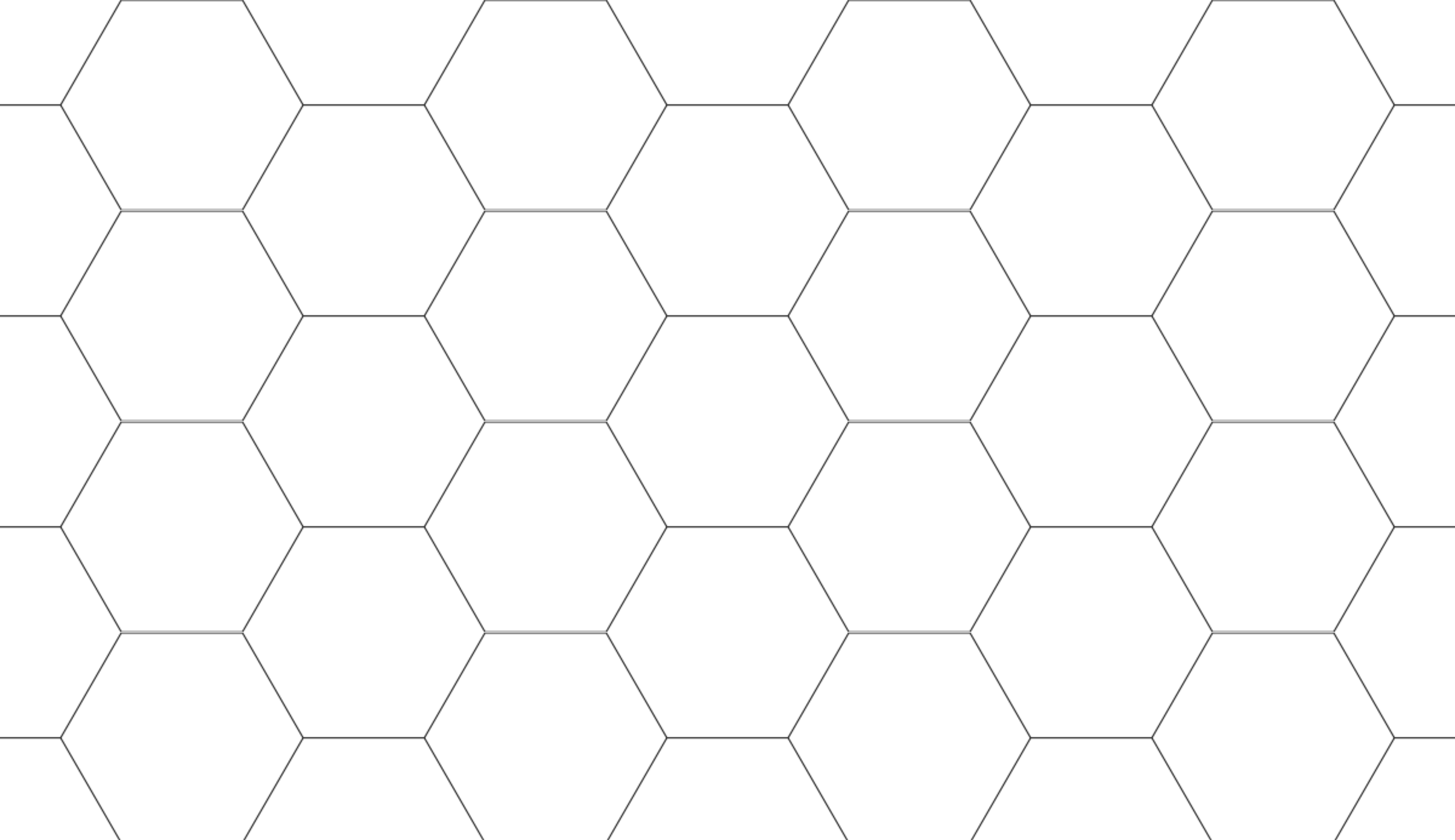
Elongated hexagon.pat ≈.pat ≈SVGDXF
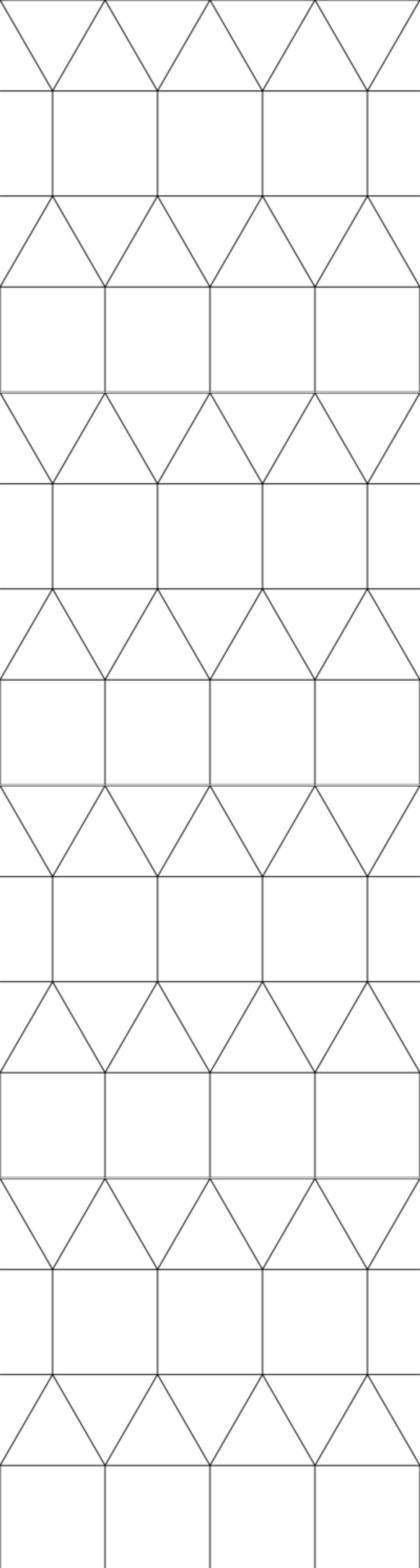
Elongated triangular.pat ≈.pat ≈SVGDXF
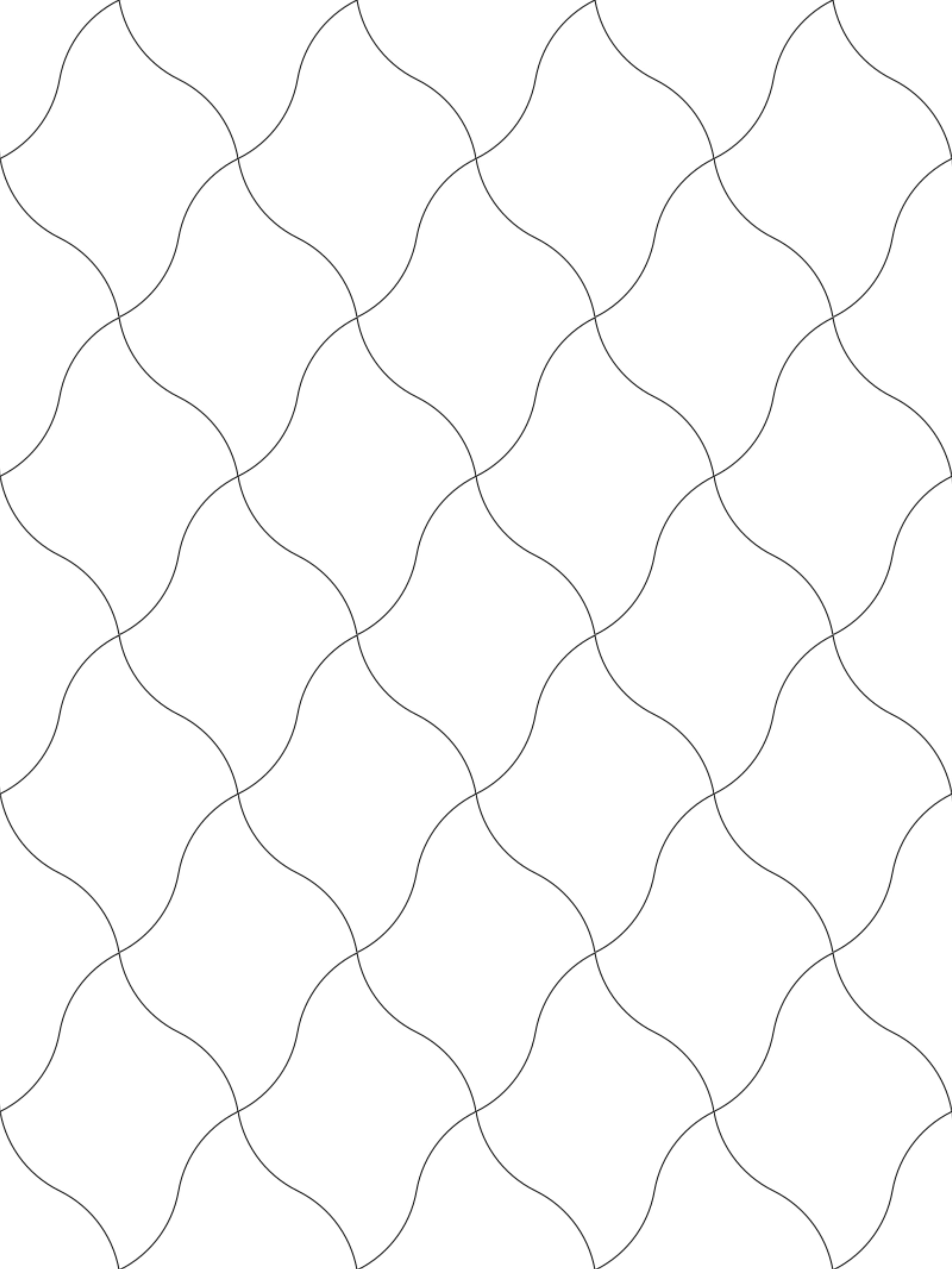
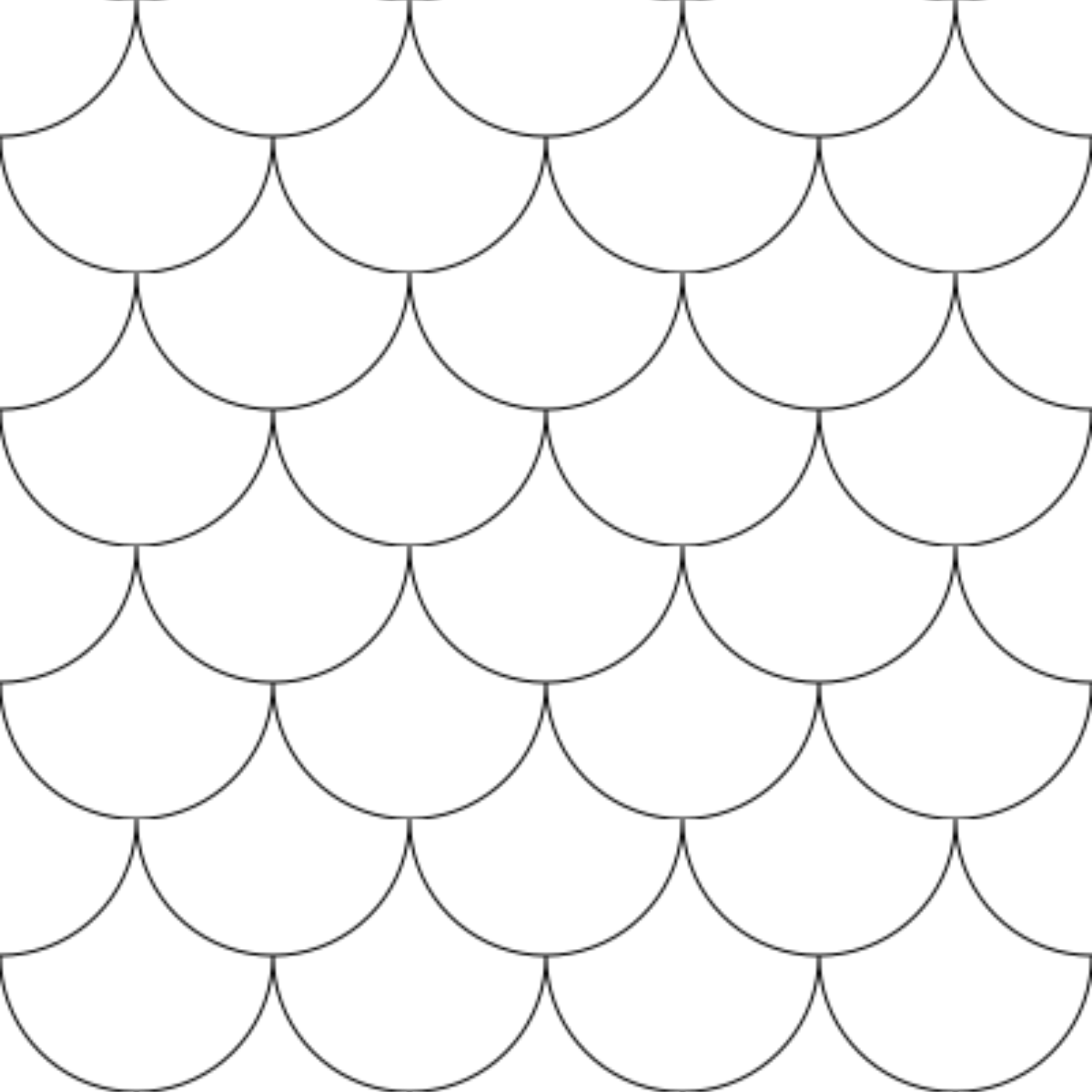
Fish scale.pat ≈.pat ≈SVGDXF
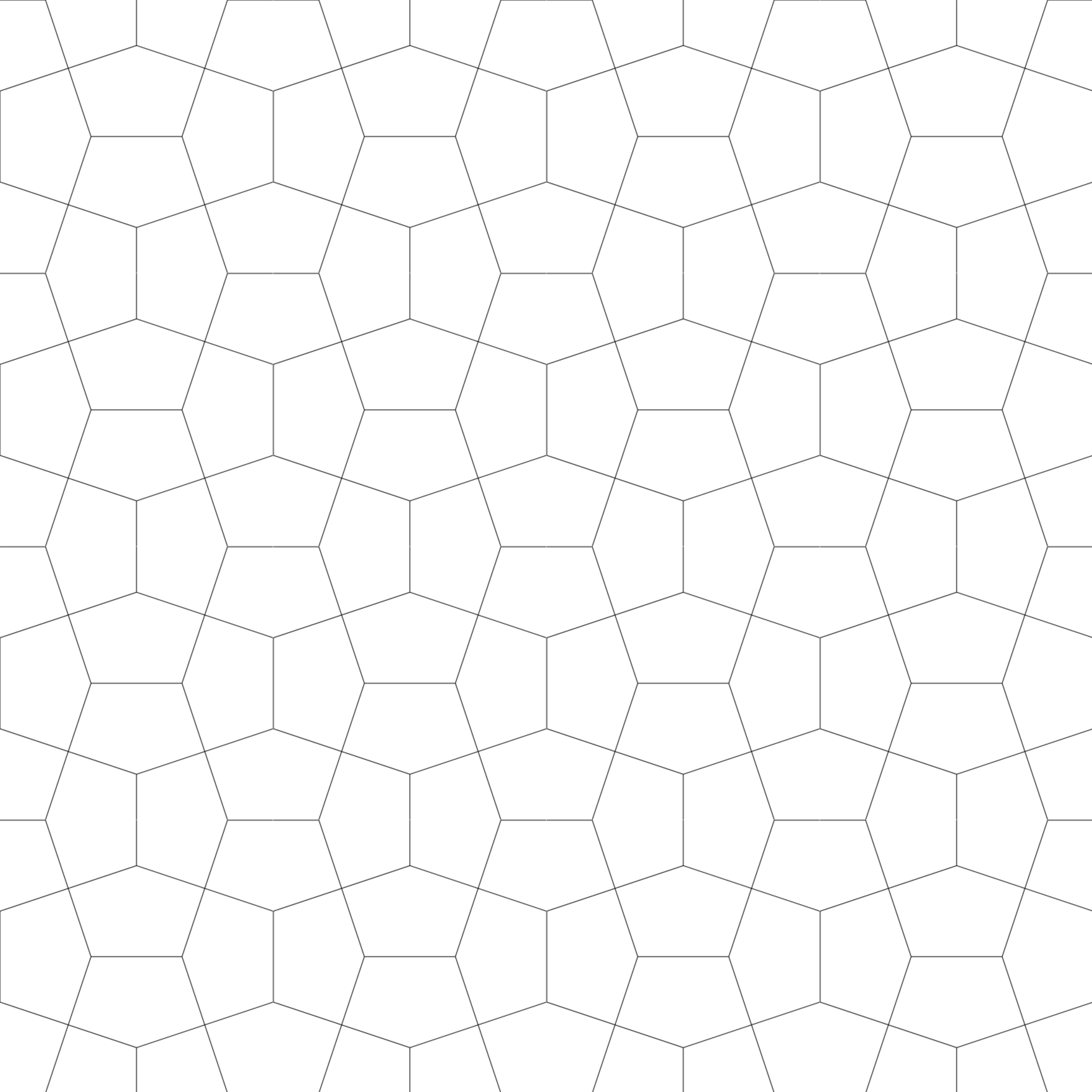
Floret pentagonal.pat.patSVGDXF
Hexagon, three tone.pat.patSVGDXF
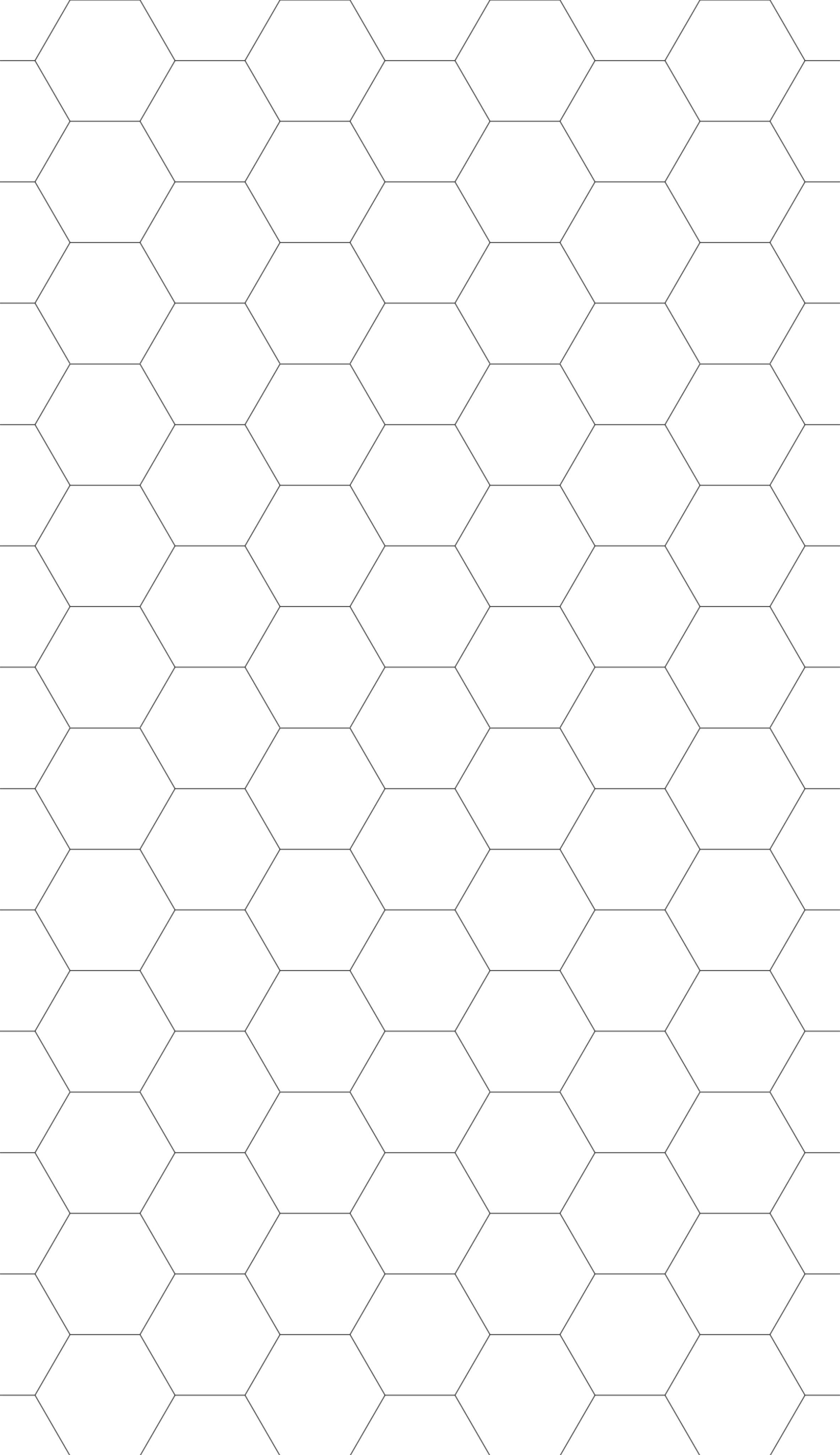
Hexagon.pat.patSVGDXF
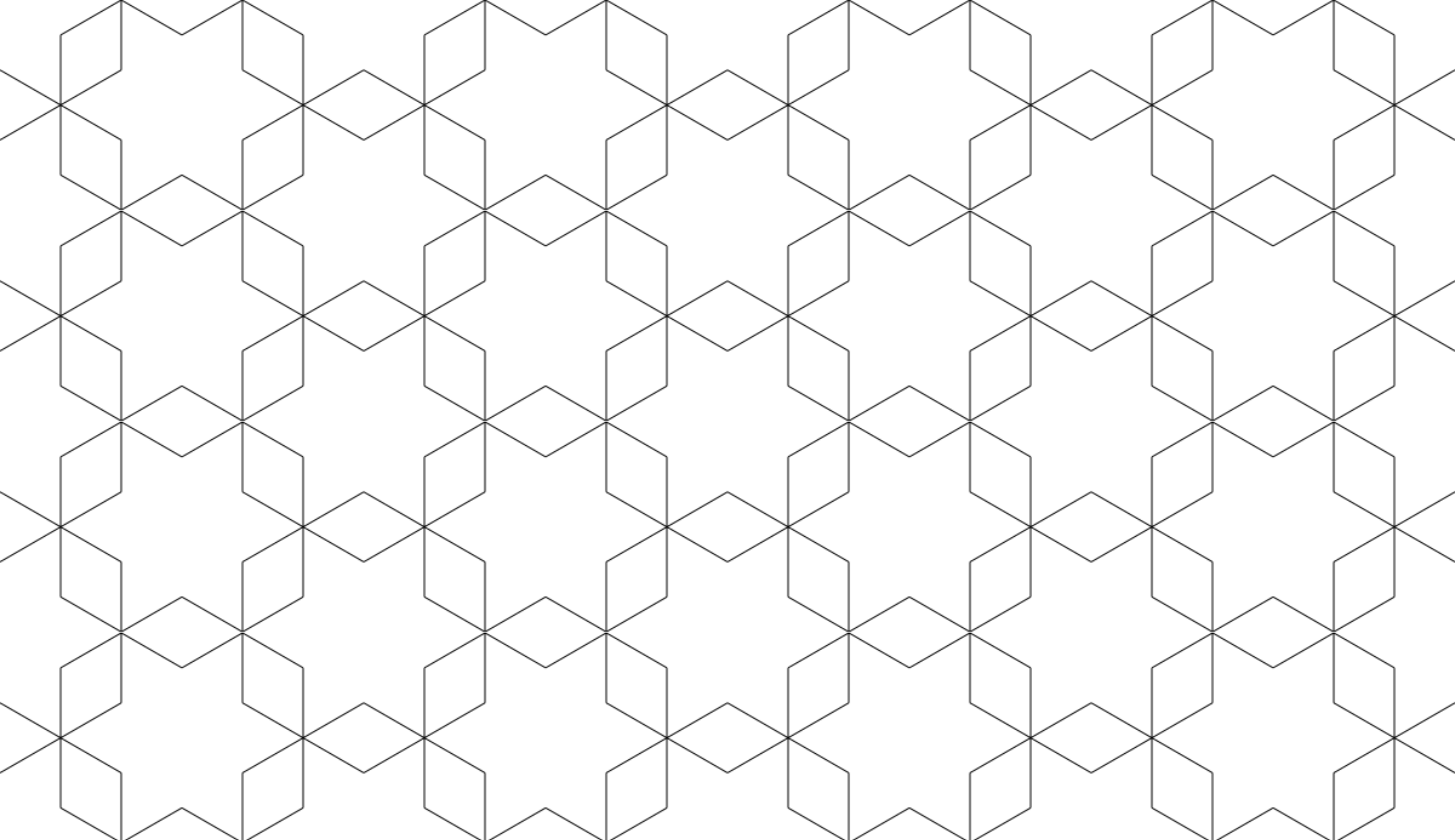
Hexagram and dodecagon.pat.patSVGDXF
Hexagram and rhombus.pat.patSVGDXF
Hexagram and snub triangles.pat.patSVGDXF
Hexagram, square and triangle.pat.patSVGDXF
Hexagram and triangle.pat.patSVGDXF
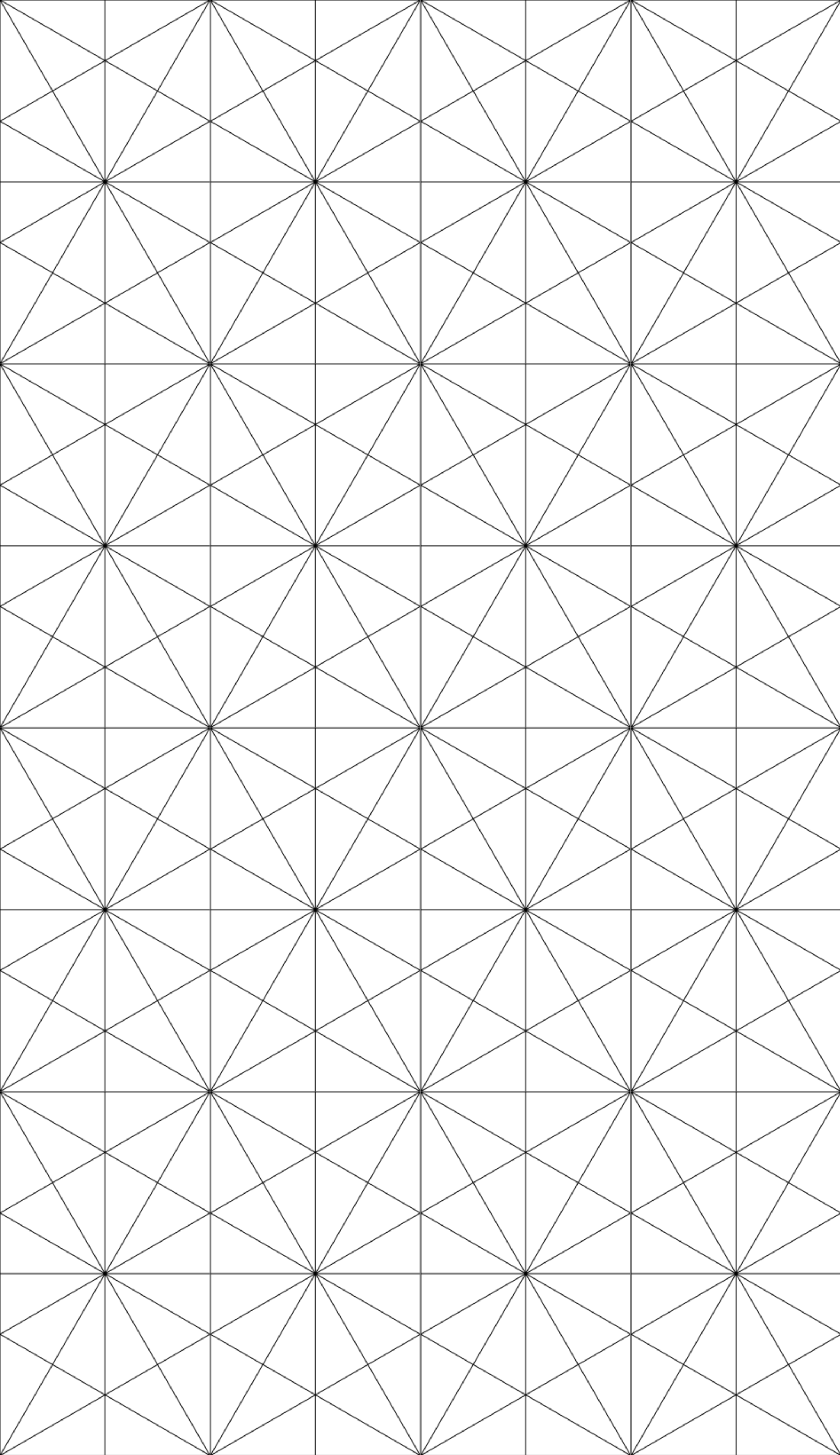
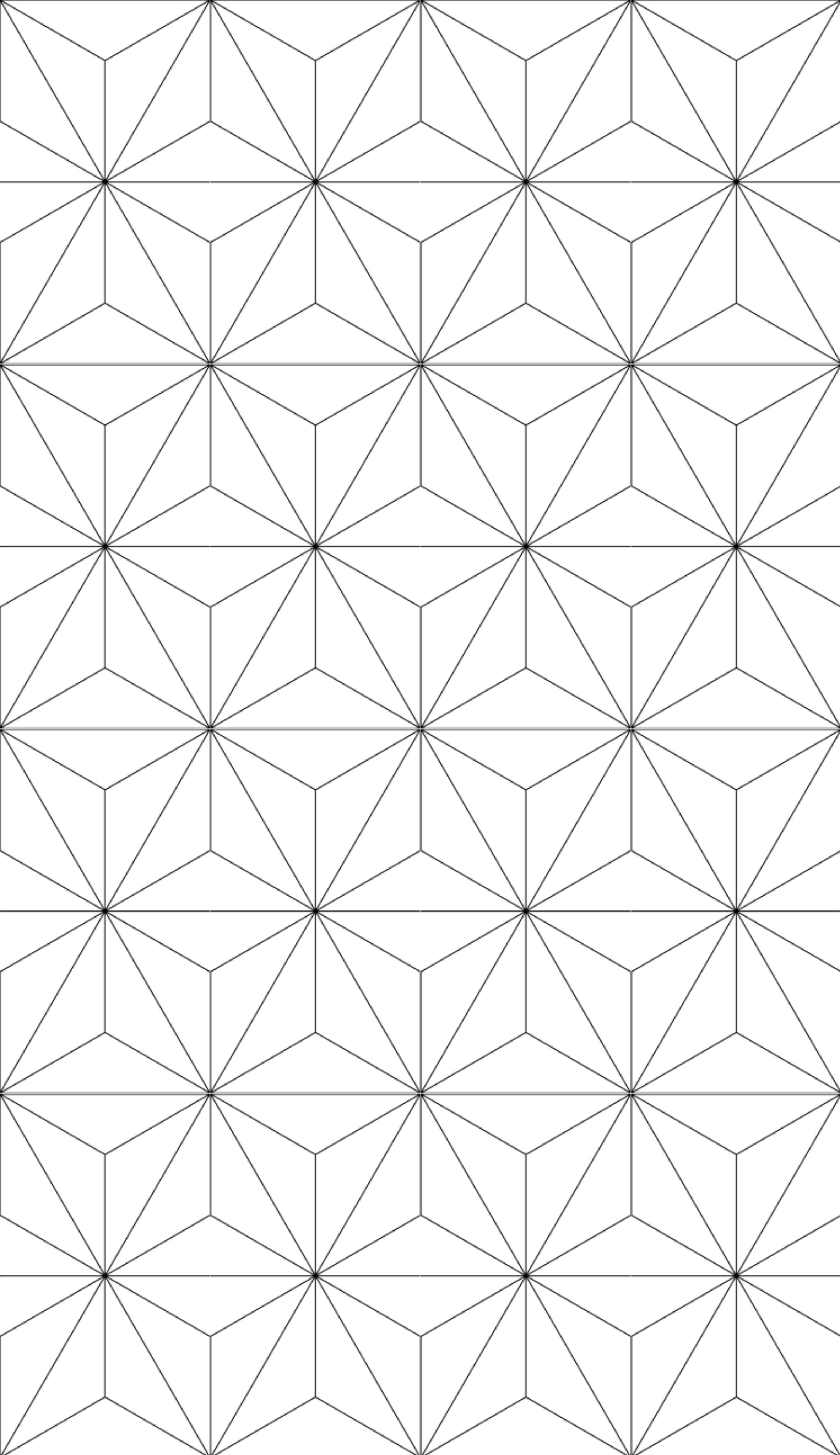
Kisrhombille.pat.patSVGDXF
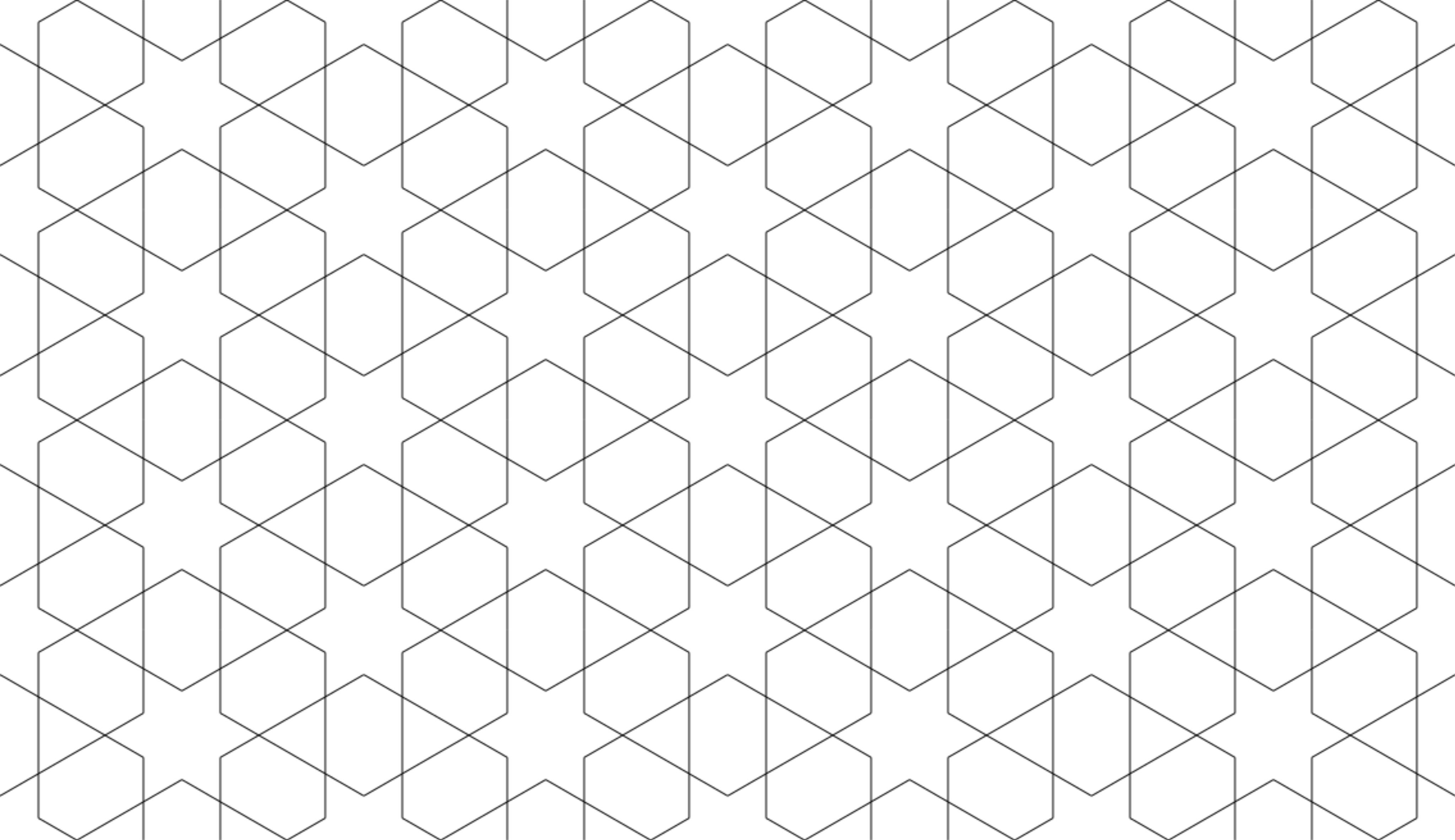
Picket (elongated hexagon).pat ≈.pat ≈SVGDXF
Pinwheel.pat.patSVGDXF
Prismatic pentagonal.pat ≈.pat ≈SVGDXF
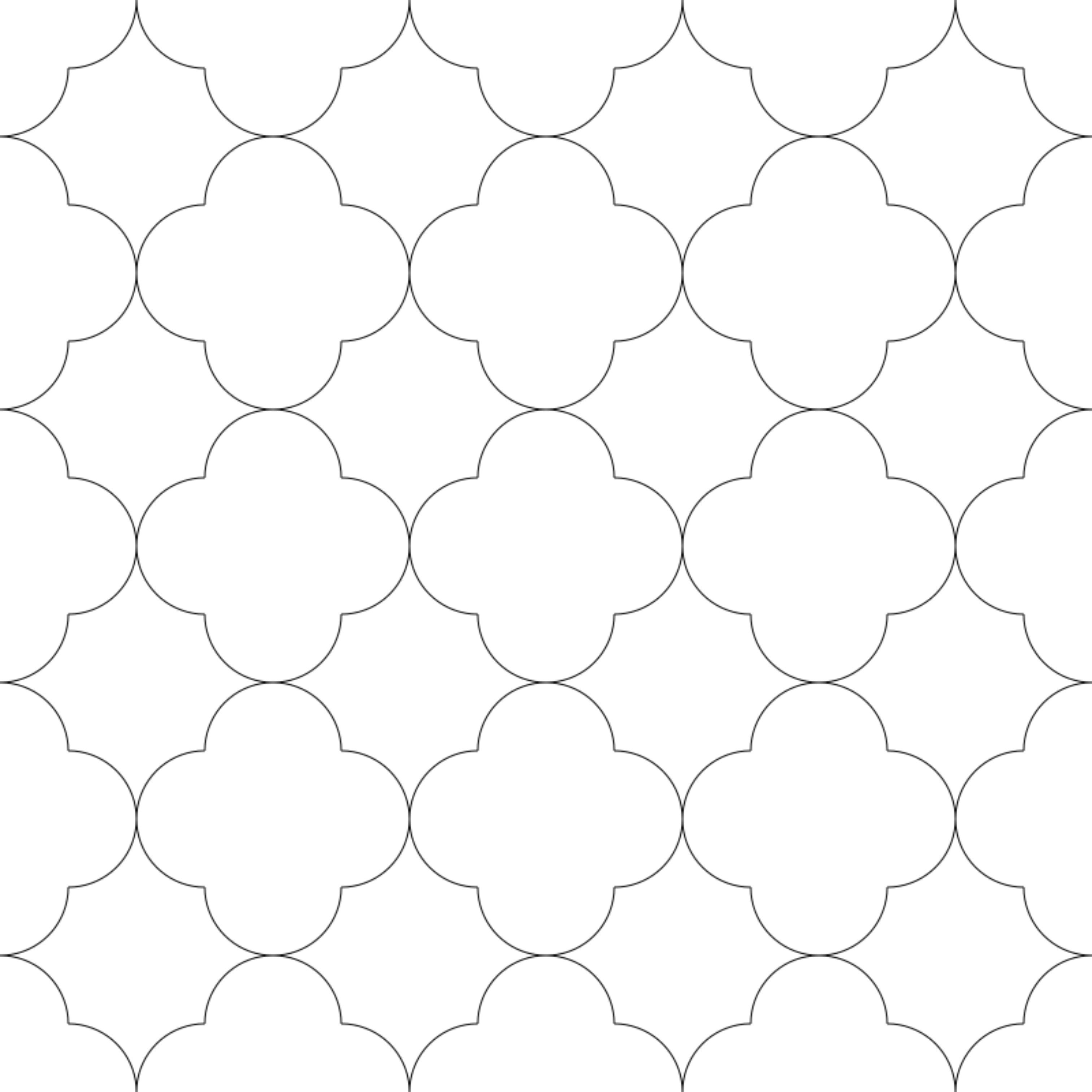
Quatrefoil.pat ≈.pat ≈SVGDXF
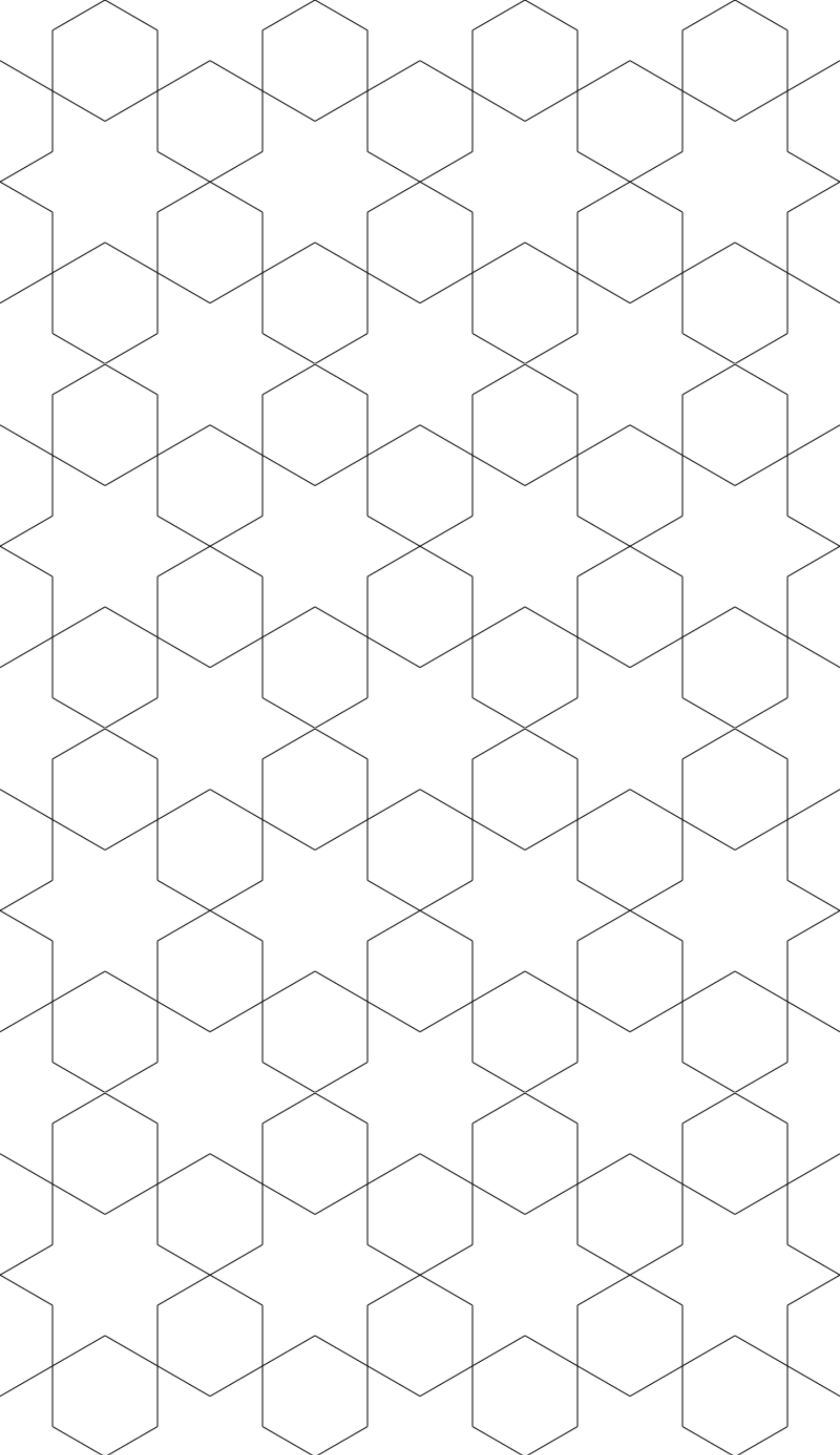
Rhombitrihexagonal.pat.patSVGDXF
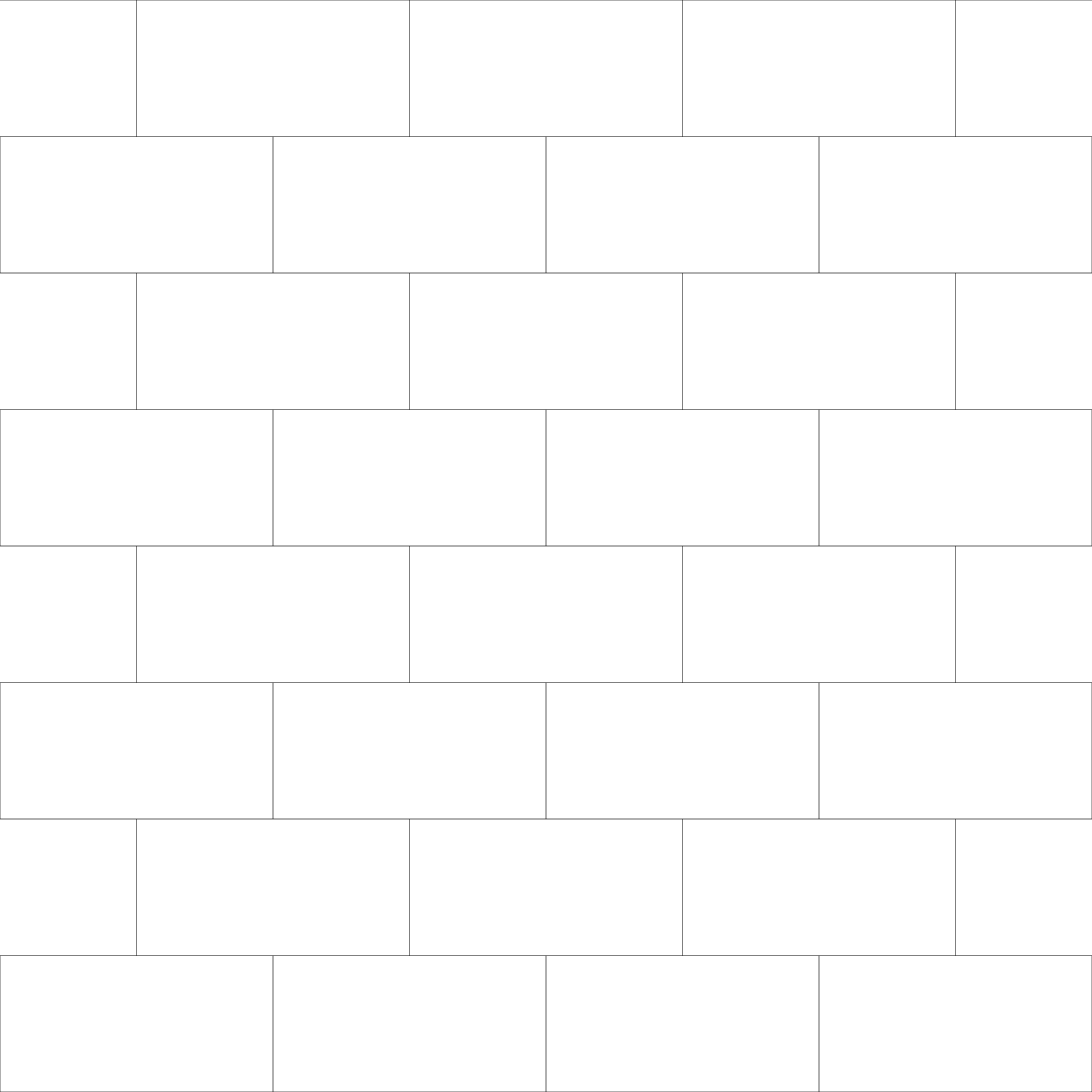
Running bond.pat.patSVGDXF
Snub hexagonal.pat.patSVGDXF
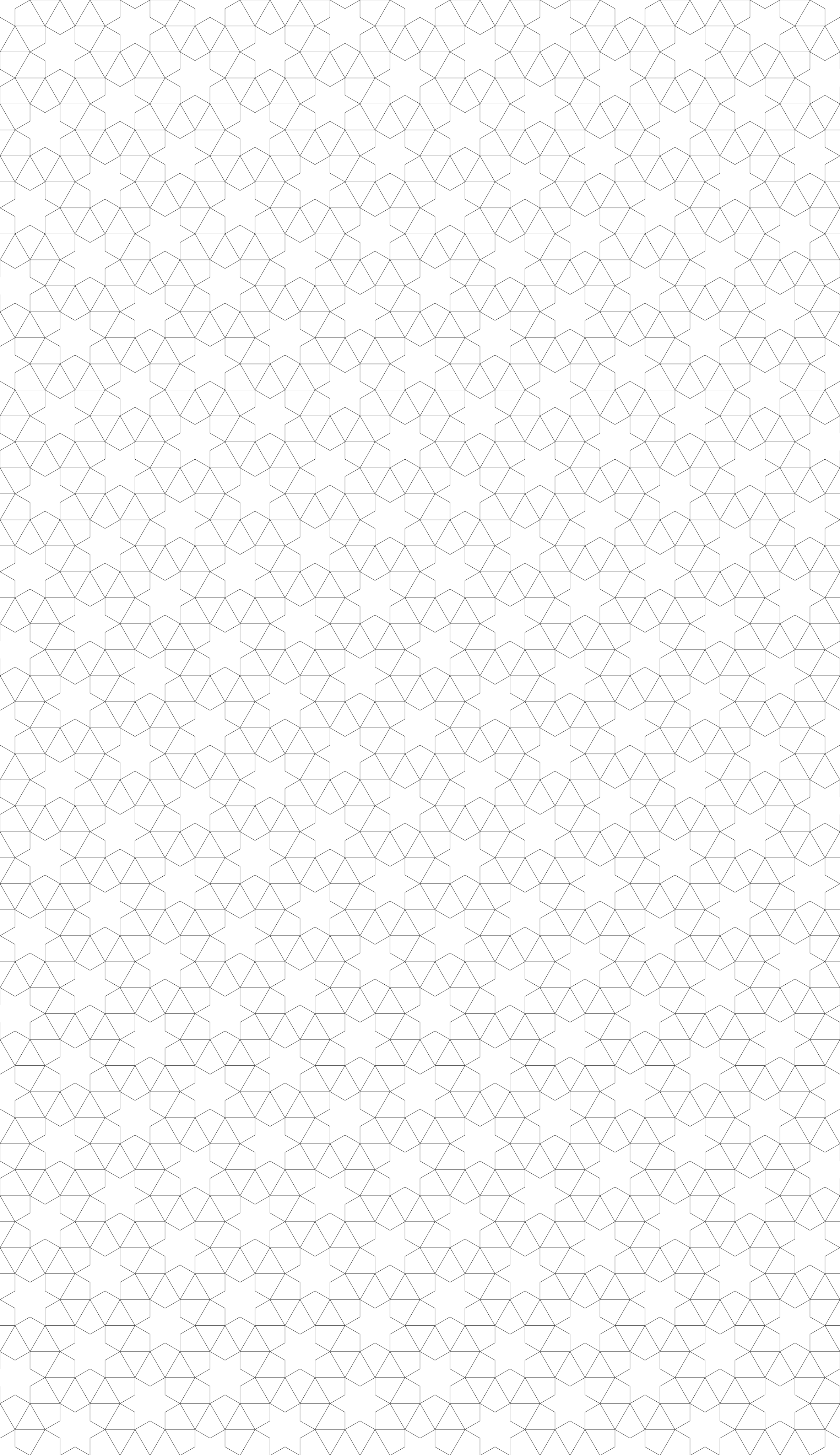
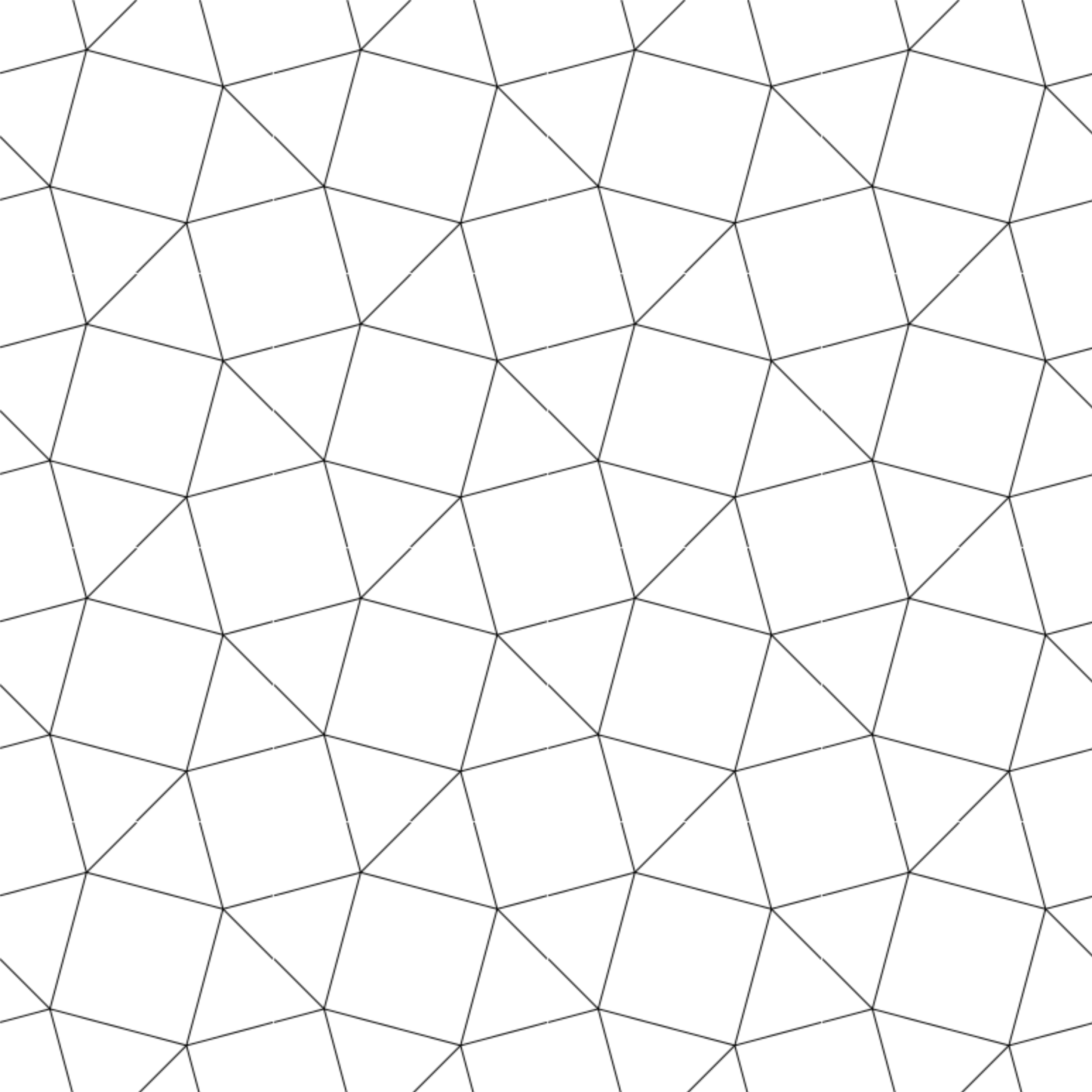
Snub square.pat ≈.pat ≈SVGDXF
Stack bond.pat.patSVGDXF
Star and cross.pat.patSVGDXF
Swiss cross.pat.patSVGDXF
Tetrakis square.pat.patSVGDXF
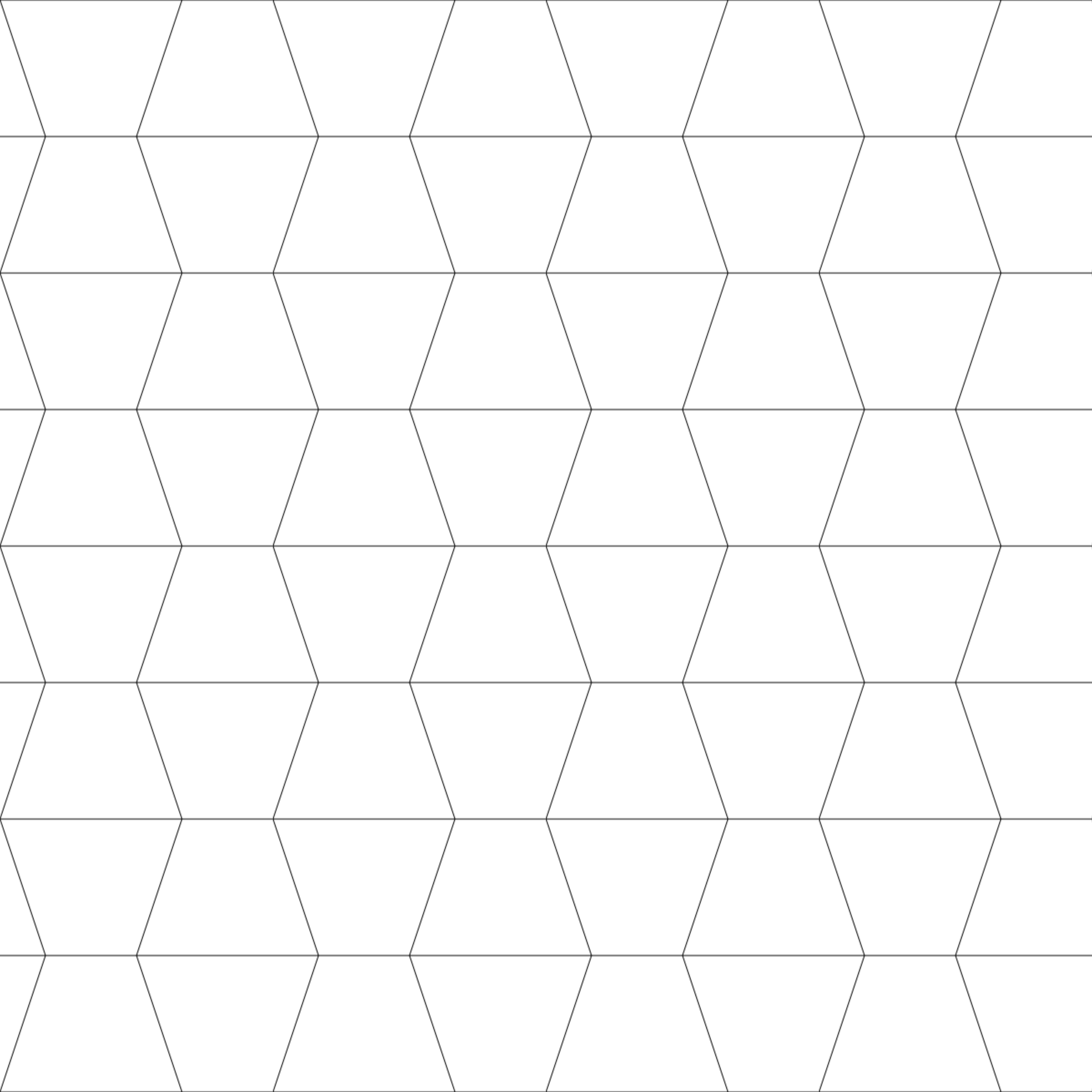
Trapezoid.pat.patSVGDXF
Triakis triangular.pat.patSVGDXF
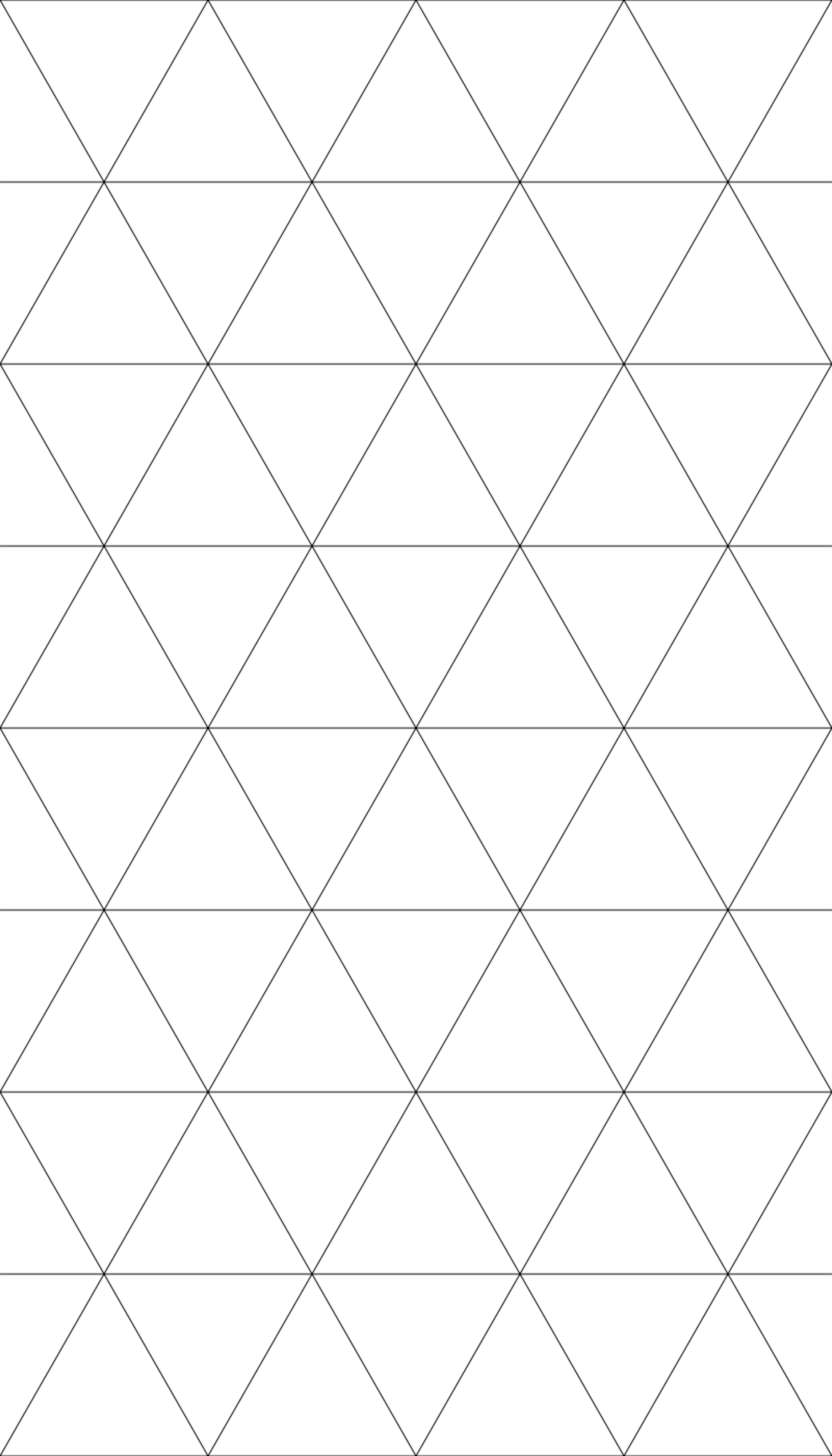
Triangle.pat.patSVGDXF
Trihexagonal (kagome).pat.patSVGDXF
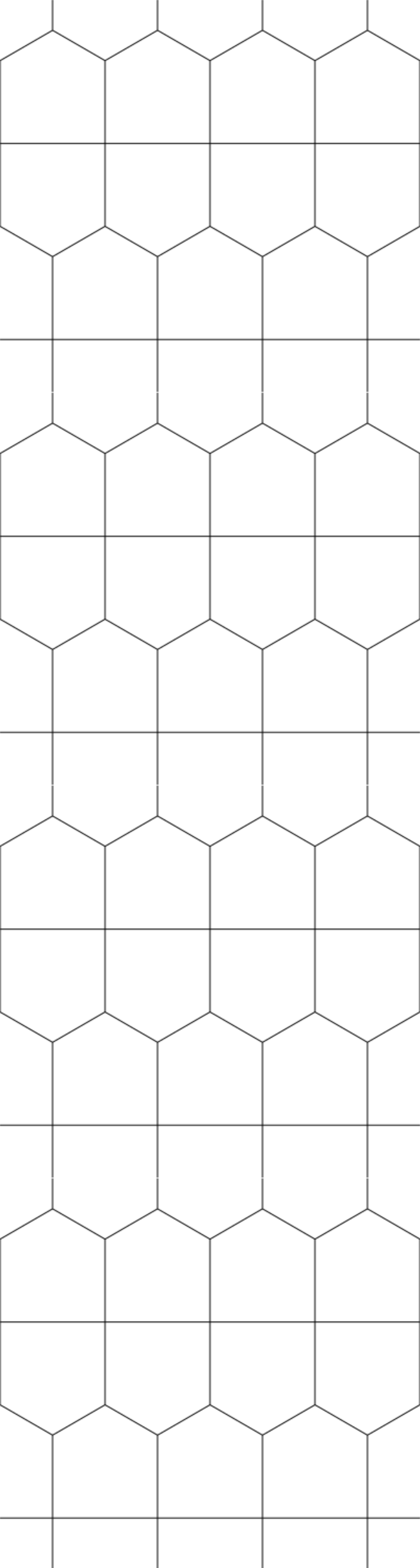
Truncated hexagonal.pat.patSVGDXF
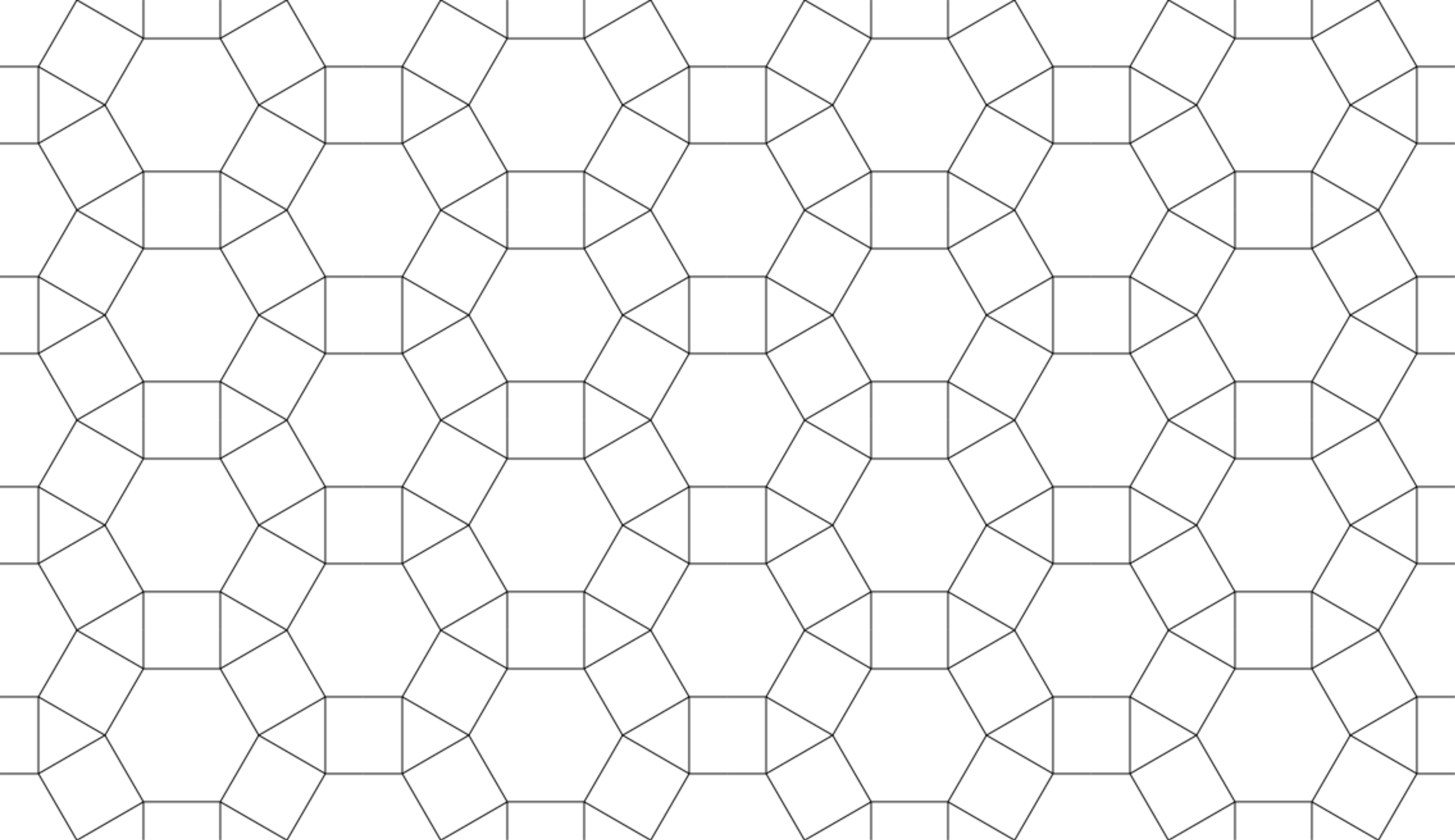
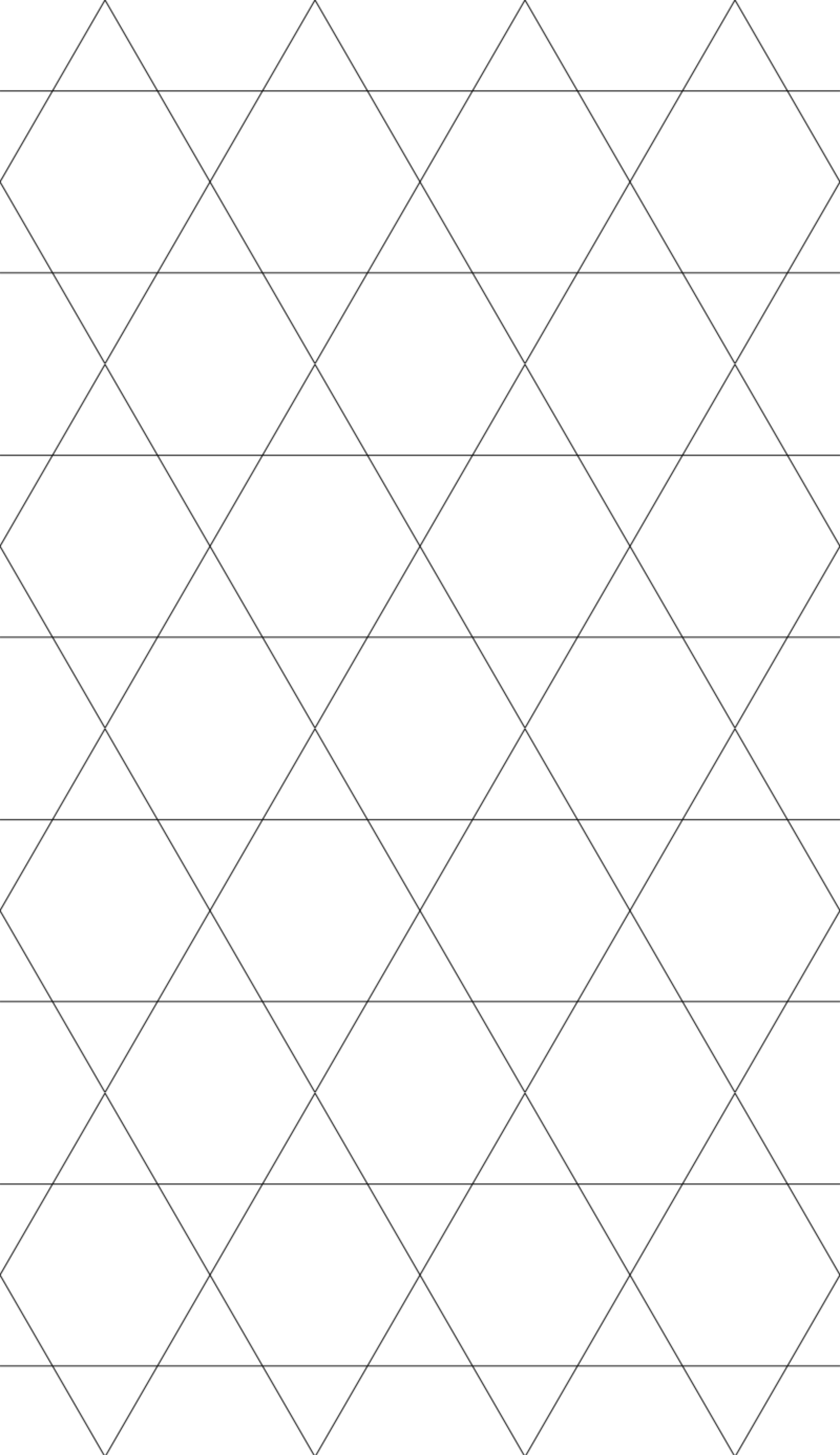
Truncated trihexagonal.pat.patSVGDXF
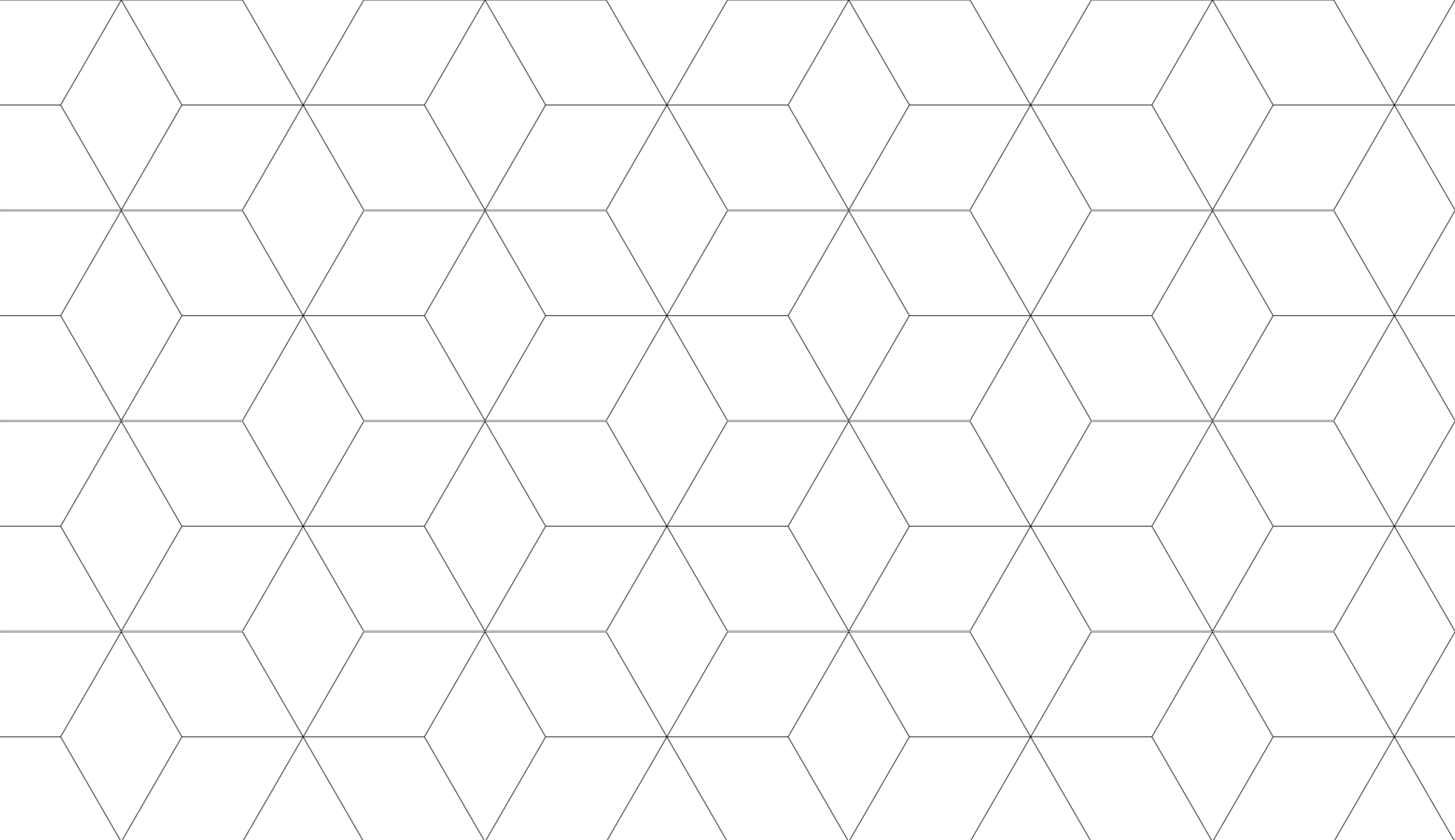
Tumbling blocks.pat.patSVGDXF

How to use the files

How do I use a .pat hatch in AutoCAD?

Copy the .pat file into a folder that is in AutoCAD's Support File Search Path (Options > Files), keep the file name (the pattern name inside the file matches it), then pick the pattern in the HATCH command. If Windows blocks the download, right-click the file, open Properties and tick Unblock.

How do I import a .pat into Revit?

In Revit open Manage > Additional Settings > Fill Patterns, click New, choose Custom and browse to the .pat file. Use the model variant when the pattern must keep its real size on the building.

What do the tile sizes in the file names mean?

tile-300x600 draws a grid whose cells are 300 mm wide and 600 mm high, centre line to centre line of the joint. Add your grout joint to the tile size to get the pitch (a 300 x 600 mm tile with a 3 mm joint has a pitch of 303 x 603 mm). Rotate the hatch 90 degrees for the other orientation. Units are millimetres.

Why are some pattern hatches marked approximate?

A PAT line family is a set of straight dashed lines. 16 of the 115 patterns have edges (curves, arcs, slanted sides) that no such family reproduces exactly, so their .pat files draw those edges as a staircase. The SVG and DXF files of every pattern are exact.
Use it in SketchUp (10 free uses a day) motif.rbz