 Motif
MotifDouble herringbone pattern — free hatch (.pat), texture & 3D tiles
Double herringbone is a wood layout built from 4 tiles per repeat (sizes 600 × 75 mm), repeating on the lattice a = (150, 150) mm, b = (-600, 600) mm, a cell of 180000 mm². The seamless texture repeat is 1200 × 1200 mm. Download it as a CAD hatch, a seamless texture or SVG and DXF lines, count the tiles for your room, or build it as real 3D tiles in SketchUp. All free.
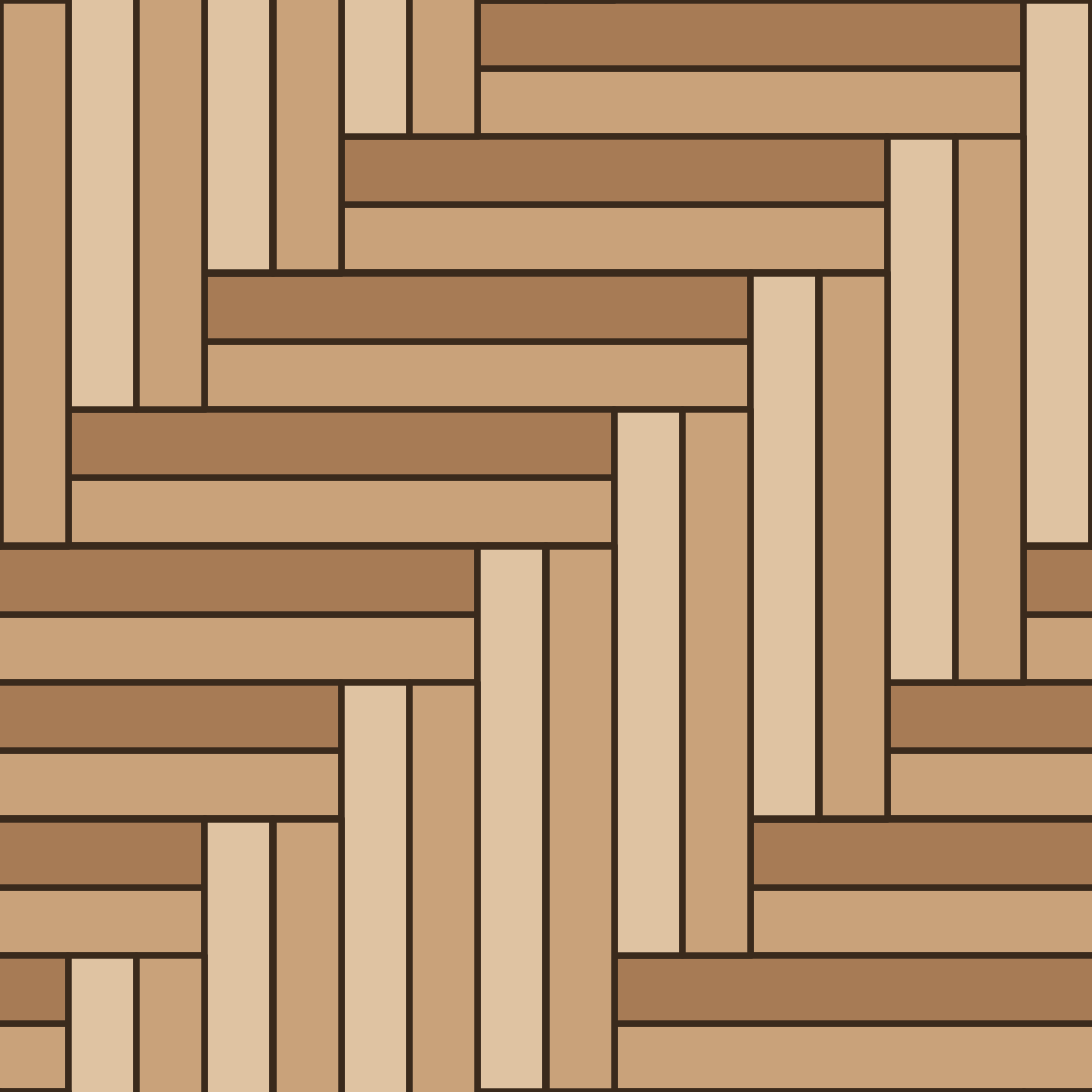
Double herringbone in numbers
| Category | Wood floors and parquetry |
|---|---|
| Tiles in one repeat | 4 |
| Lattice vector a | (150, 150) mm |
| Lattice vector b | (-600, 600) mm |
| Repeat cell area | 180000 mm² |
| Tile sizes | 600 × 75 mm |
| Seamless texture repeat | 1200 × 1200 mm |
| Default length | 600 (range 50–3000) |
| Default plank width | 75 (range 10–1000) |
Free downloads for Double herringbone
- AutoCAD hatch (.pat)double-herringbone.pat
- Revit model hatch (.pat)double-herringbone-revit.pat
- SVG linesdouble-herringbone-hatch.svg
- DXF linesdouble-herringbone.dxf
- Seamless albedo PNG502 × 502 px preview

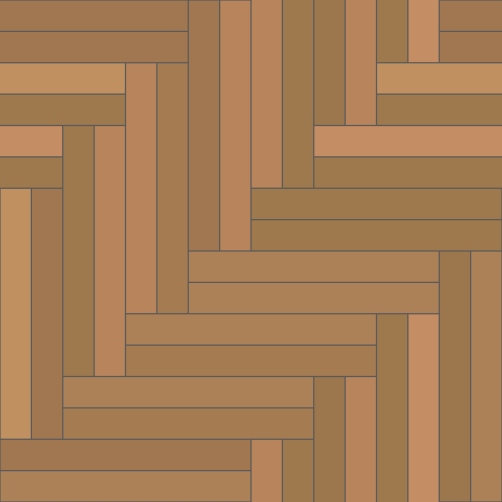
Hatch units are millimetres at the default tile size. For other sizes use the hatch page or the editor, which exports every format at the size you set.
Double herringbone tile calculator
Enter the room, grout and tile size. The count comes from the same engine that lays the 3D tiles, so the cut tiles are real cuts against your room edges (a 4 × 3 m room is shown first). More patterns: tile calculator.
- Full tiles
- 228
- Cut tiles
- 78
- Whole tiles used
- 306
- Area (net)
- 12 m²
- Tile area bought
- 13.77 m²
- Waste from cuts
- 14.8 %
- Tiles to order
- 337
| Size | Full tiles | Cut tiles |
|---|---|---|
| 600 × 75 mm | 228 | 78 |
Open it in the editor or in SketchUp
Open Double herringbone in the editor
Use it in SketchUp (10 free uses a day) motif.rbz
Questions about Double herringbone
How many Double herringbone tiles do I need for a 4 × 3 m room?
With the default tile size and a 3 mm joint, a 4 × 3 m floor needs 228 full tiles and 78 cut tiles (306 whole tiles counting each cut tile as one). The net area is 12 m² and the tiles bought cover 13.77 m², so cutting alone wastes 14.8 %. Enter your own room and tile size in the calculator on this page.
Is the Double herringbone hatch exact?
Yes. The .pat file draws the tile edges exactly: every edge direction of this pattern is parallel to a lattice vector, so a PAT line family reproduces it without approximation. Units are millimetres and the pattern name inside the file is double-herringbone.
How do I use the .pat file in AutoCAD?
Copy the .pat file into a folder that is in AutoCAD's Support File Search Path (Options > Files), keep the file name (the pattern name inside the file matches it), then pick the pattern in the HATCH command. If Windows blocks the download, right-click the file, open Properties and tick Unblock.
How do I use the .pat file in Revit?
In Revit open Manage > Additional Settings > Fill Patterns, click New, choose Custom and browse to the .pat file. Use the model variant when the pattern must keep its real size on the building.
What is the repeat size of Double herringbone?
One repeat of the lattice covers 180000 mm² with 4 tiles. The smallest rectangle that repeats seamlessly in both directions, which is what a texture image needs, is 1200 × 1200 mm at the default sizes.
Related patterns
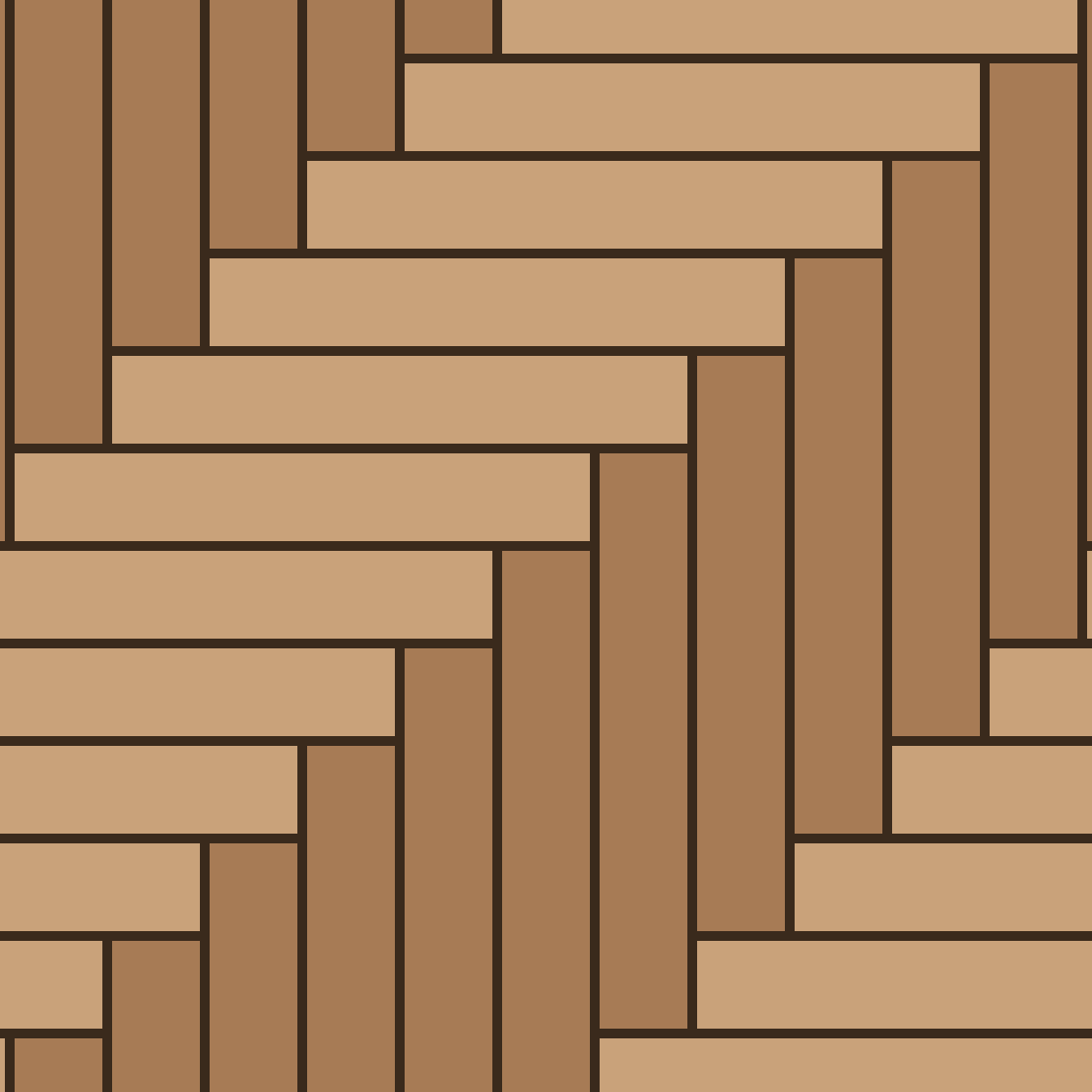 Herringbone600 × 100 mm
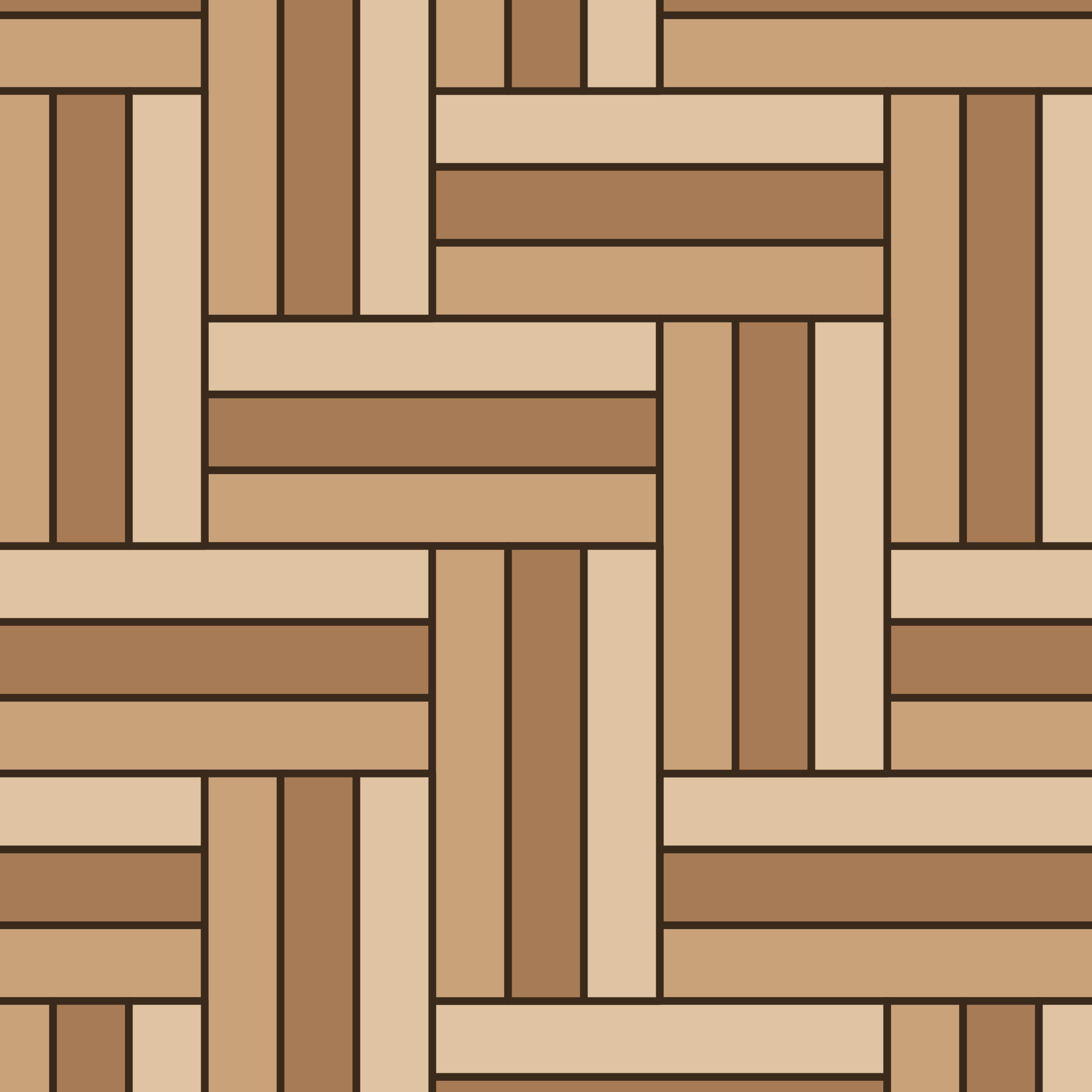 Triple herringbone900 × 150 mm
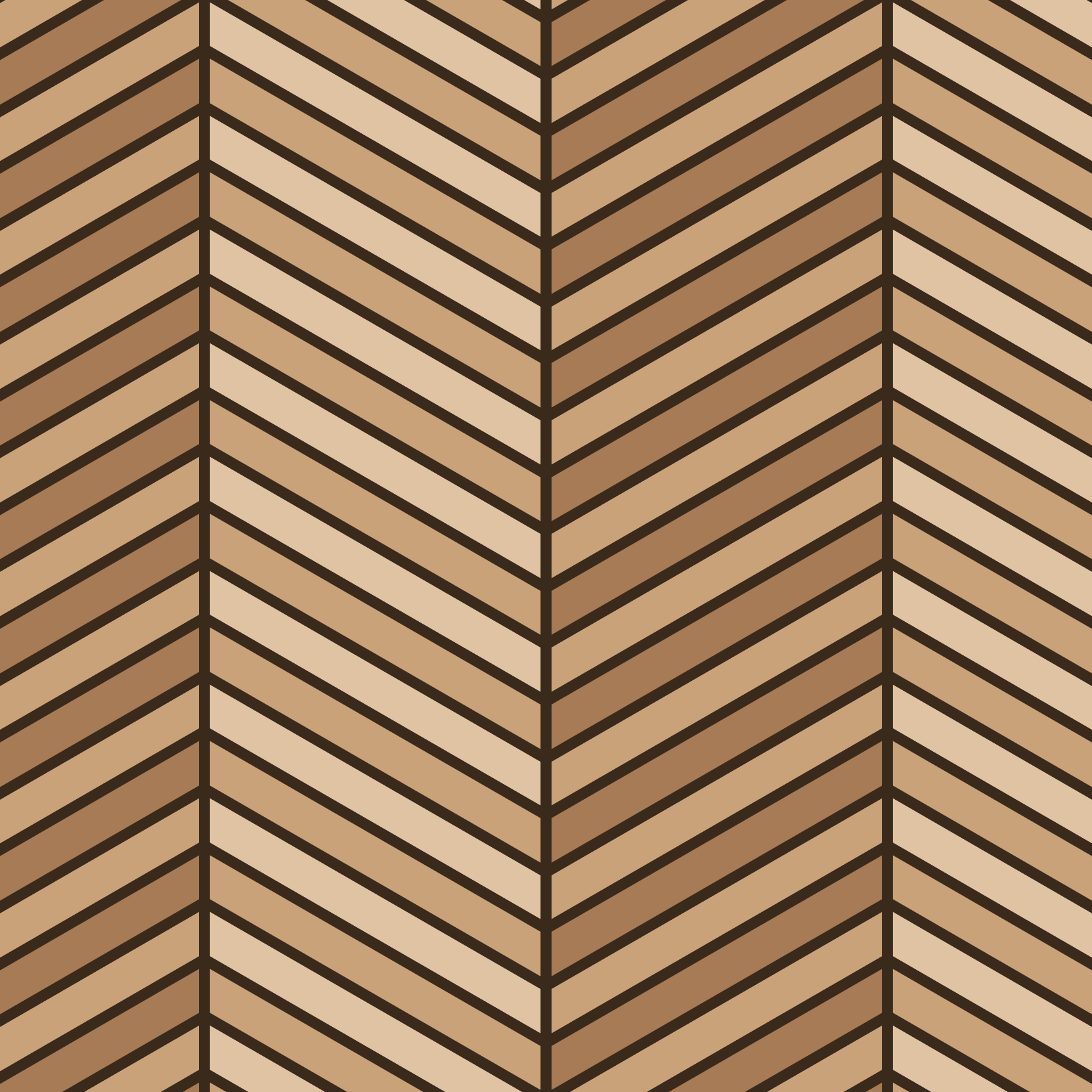 Double chevron643.3 × 75 mm
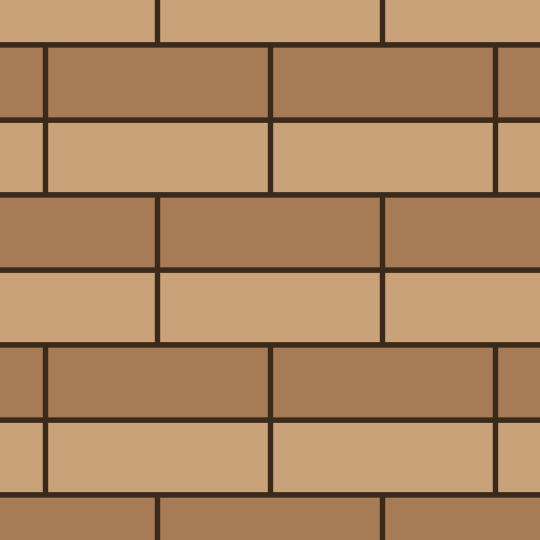 Double stretcher bond (paired courses)225 × 75 mm
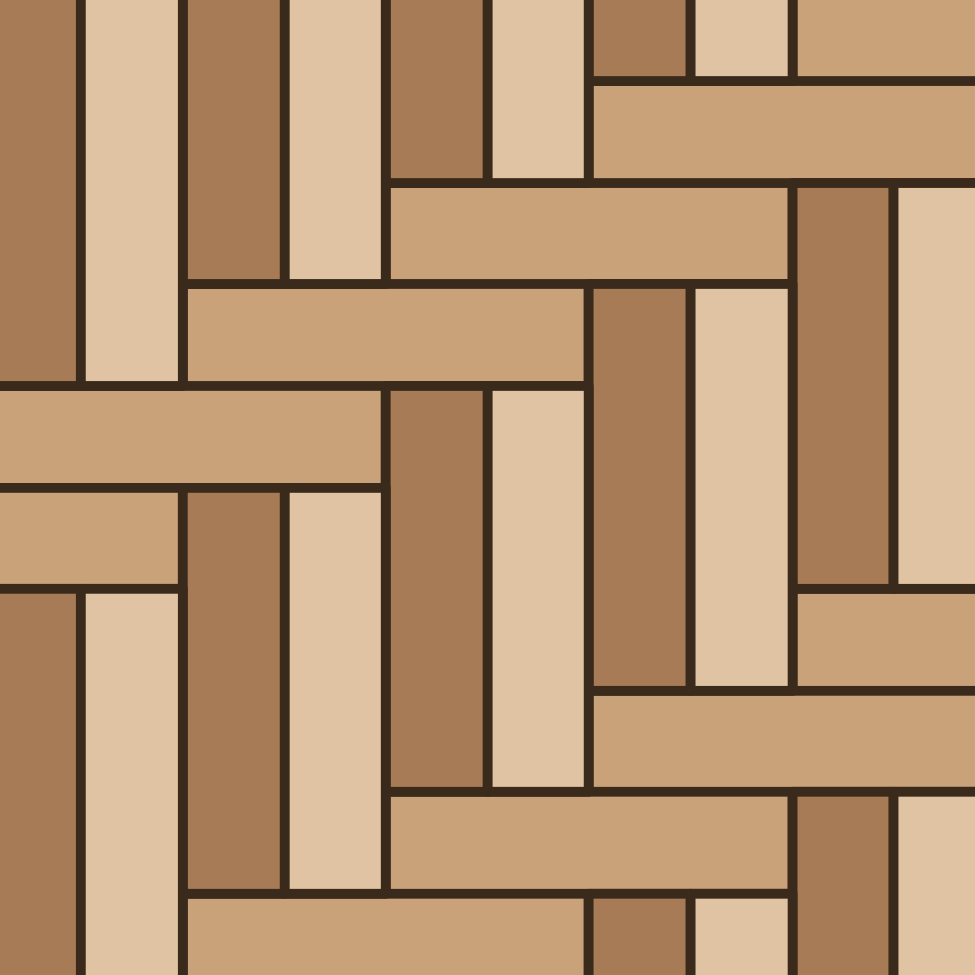 Paver herringbone 1:2406.4 × 101.6 mm
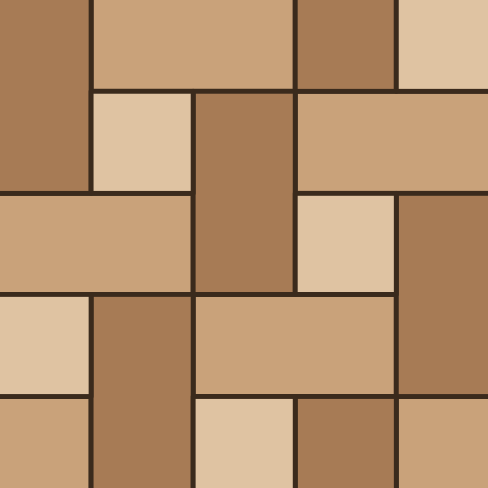 Paver herringbone with square203.2 × 101.6, 101.6 × 101.6 mm
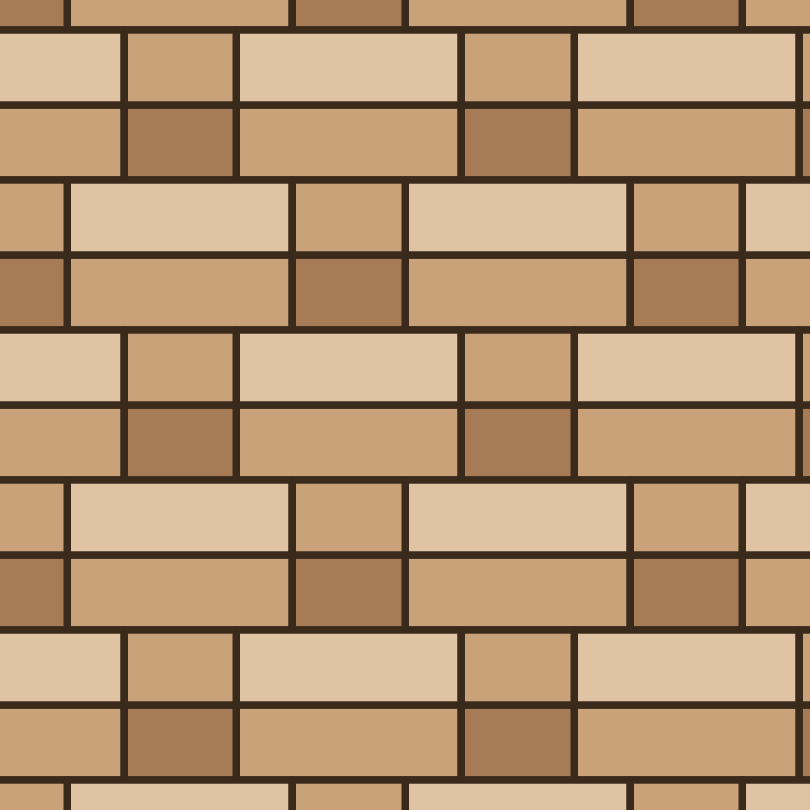 Double Flemish bond (paired courses)225 × 75, 112.5 × 75 mm
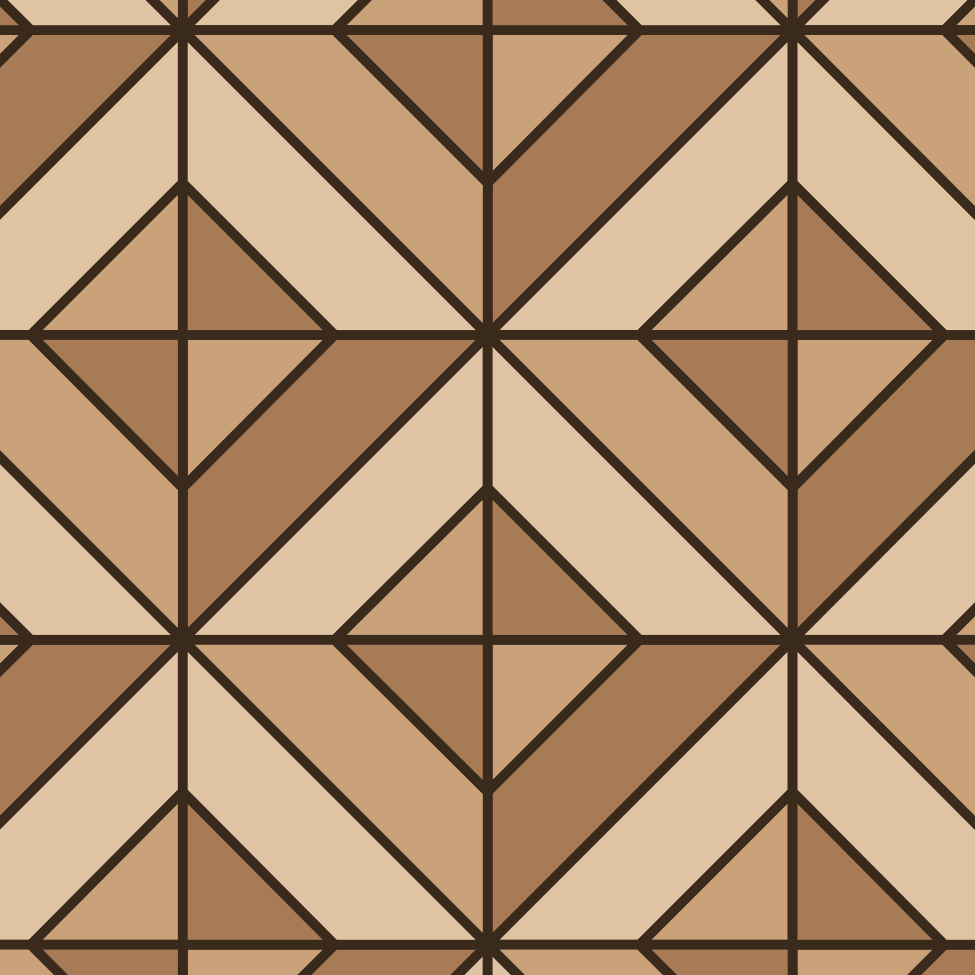 Gable parquet (wide strips)215.5 × 107.8, 431.1 × 107.8 mm